







The Auspicious Occasion
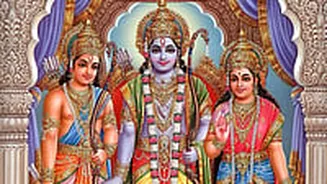
Ram Navami, a deeply cherished festival in India, commemorates the divine birth of Lord Rama, the seventh avatar of Lord Vishnu and the epitome of righteous
conduct. Its roots trace back to ancient times, specifically the Treta Yuga, when King Dasharatha of Ayodhya, guided by the sage Vashistha, performed a sacred ritual known as the Putrakameshti Yagna. This yagna, intended to bestow heirs upon the king, yielded a miraculous outcome: a divine entity emerged from the sacred fire, presenting a bowl of Payasam, a sweet pudding of immense spiritual significance. This celestial offering was subsequently shared among King Dasharatha's three queens—Kaushalya, Kaikeyi, and Sumitra. It was on the ninth day of the lunar month of Chaitra that Queen Kaushalya joyously welcomed the birth of Lord Rama. In 2026, this significant festival will again be observed on the ninth day of Chaitra Navratri, falling on Thursday, March 26. Across the nation and the globe, devotees enthusiastically engage in special prayers and rituals, seeking prosperity, happiness, and divine grace from Lord Rama.
Timing and Rituals
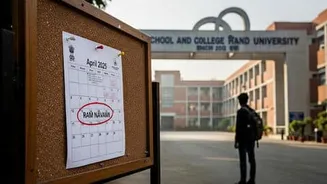
For Ram Navami 2026, the festival is scheduled for Thursday, March 26. The Navami Tithi commences at 11:48 AM on March 26 and concludes at 10:06 AM on March 27. The most auspicious period for performing the Madhyahna Puja, which is the midday ritual, is between 11:15 AM and 1:45 PM Indian Standard Time. This timeframe is particularly significant as it encompasses the perceived moment of Lord Rama's birth, which is traditionally observed around 12:30 PM IST. Therefore, devotees are encouraged to align their puja preparations and main rituals within this sacred window to maximize the spiritual efficacy of their worship and to connect more deeply with the divine energy of the day. The correct date and specific muhurat are crucial for a complete and spiritually fulfilling observance of this important festival.
Home Puja Steps
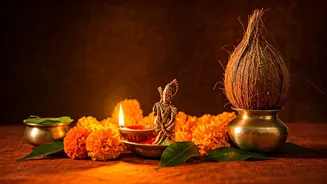
To perform a Ram Navami puja at home, begin by waking early and ensuring your living space is immaculately clean, embodying purity to welcome divine presence. It's customary to add a few drops of holy Ganga Jal to your bathing water for purification. Adorn yourself in yellow silk or cotton attire, symbolizing auspiciousness and the vibrant energy of the day. Next, proceed to your home altar for the Sankalpa, where you'll take a small amount of water in your right palm and make a sincere vow to Lord Rama to observe the day with utmost devotion, sincerity, and truthfulness. Following this, the Abhishekam ritual involves placing an idol of Lord Rama on a wide copper or silver plate and anointing it with Panchamrit (a mixture of five nectars) while chanting the mantra ‘Om Sri Ramaya Namah.’ After the ceremonial bath, gently dry the idol with a soft cloth and dress it in vibrant yellow or orange robes. Apply chandan (sandalwood paste) to its forehead as a tilak. Many also decorate the puja area with colorful rangolis. As the clock approaches 12:30 PM IST, marking the symbolic birth of Lord Rama, commence the Aarti and offer prayers, seeking his blessings.