




A Long-Awaited Connection
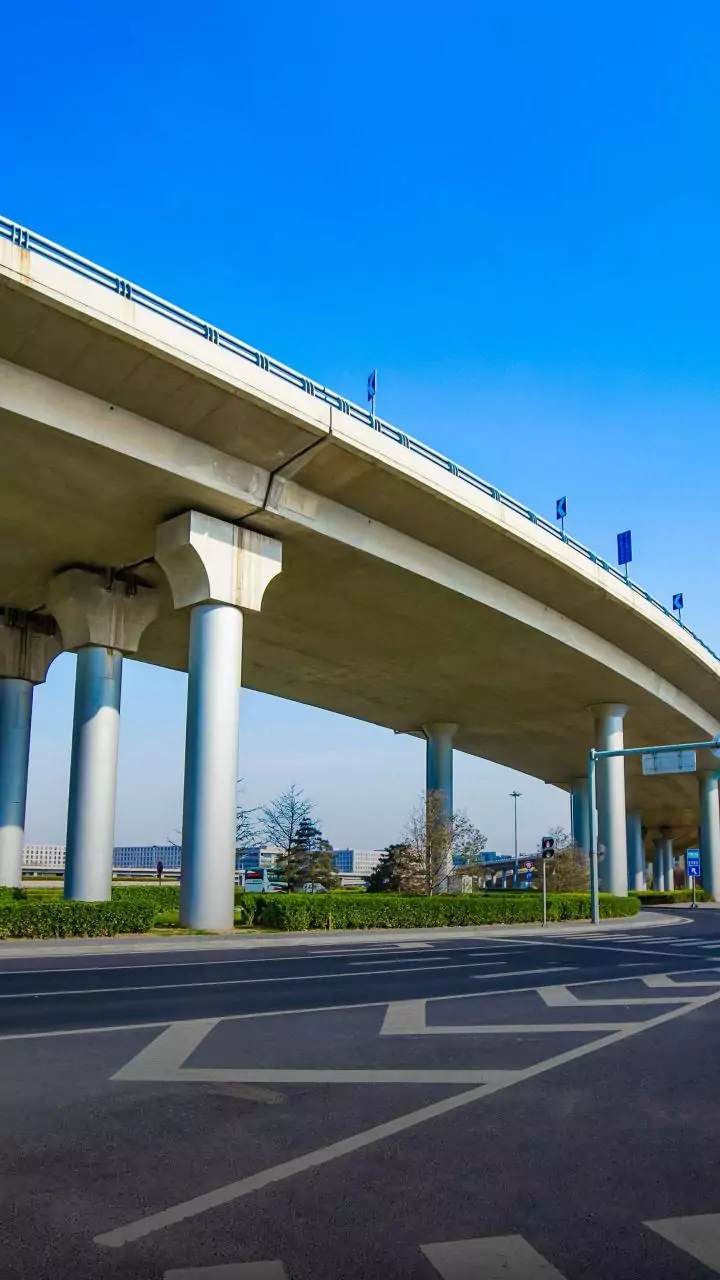
The Vidyavihar east-west link, a project first conceived in 1991, is finally nearing realization after more than three decades of planning and nearly a decade of construction.
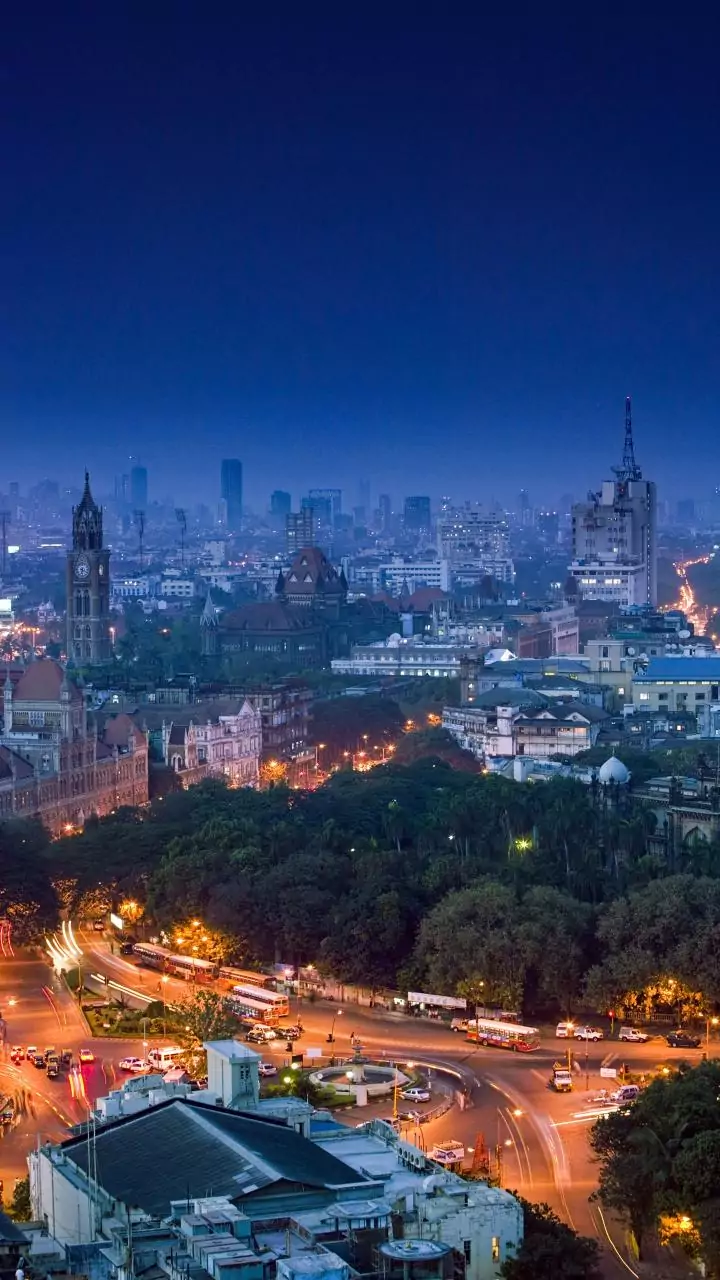
This crucial 650-meter flyover aims to bridge the gap between Lal Bahadur Shastri Marg in the east and Ramkrishna Chemburkar Marg in the west, directly traversing over railway tracks. Currently, residents face significant travel time, often 30 to 45 minutes, due to the necessity of using distant overbridges at Ghatkopar or Kurla. The completion of this flyover is anticipated to drastically cut down travel times to under 10 minutes, significantly easing daily commutes for thousands of Mumbaikars.
Trees vs. Development
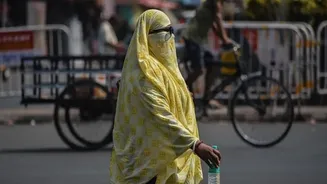
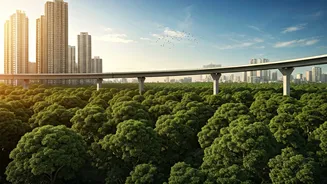
The construction of the flyover's vehicular arms requires clearing a substantial number of trees. The Brihanmumbai Municipal Corporation (BMC) has proposed to fell or transplant a total of 213 trees that stand in the project's path. Of these, 77 trees are slated for complete felling, while 85 will be transplanted, and an additional 51 trees at the site will be preserved. This decision comes at a particularly sensitive time, with Mumbai grappling with intense heatwave conditions amplified by the El Niño climatic phase, which typically leads to weaker monsoons and extended summers. Environmentalists are raising alarm bells over the loss of green cover during such a critical period for the city's climate resilience.
Compensatory Afforestation Efforts
In an effort to mitigate the environmental impact, the BMC plans to undertake extensive compensatory afforestation. A total of 2,278 new trees are proposed to be planted on a 2.05-hectare plot of land designated in Panvel, Raigad district. The civic body has put forth a proposal to appoint the Forest Development Corporation of Maharashtra (FDCM) to carry out this ambitious plantation drive. The overall environmental mitigation strategy, which includes the transplantation of affected trees and their maintenance for a period of seven years, is estimated to cost the BMC Rs 1.99 crore, including land acquisition costs in Panvel. The reason cited for choosing Panvel is the prohibitive cost and difficulty of securing large enough land parcels within Mumbai for such a large-scale compensatory plantation.
Environmentalist Concerns
Activists and environmentalists are voicing strong objections to the felling of a significant number of trees, especially given Mumbai's current struggle with rising temperatures and the ongoing El Niño phenomenon. They point out that the city's urban development practices, including the concreting of roads that hinders groundwater percolation and harms tree roots, coupled with the removal of trees for infrastructure projects, are collectively contributing to the escalating land and surface temperatures. This degradation of the urban ecosystem, they argue, is exacerbating heatwave-like conditions and negatively impacting Mumbai's overall environmental health and resilience. The Vidyavihar flyover project, costing Rs 178 crore, is slated for completion by August 2026.