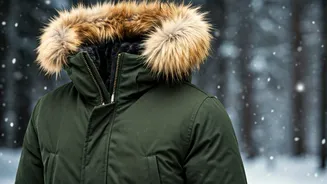

Parkas: Ultimate Warmth
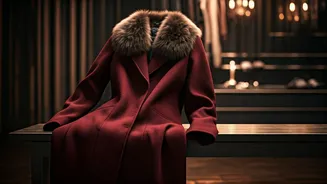
Parkas are a staple for harsh winter conditions, offering superior warmth due to their long length and insulation. They typically feature a hood with faux
fur or real fur trim, providing extra protection from wind and snow. These jackets are often filled with down or synthetic materials, which trap heat effectively. When selecting a parka, consider the fill power of down (higher means more warmth) and the outer fabric's water resistance. Look for features like a storm flap over the zipper and adjustable cuffs to seal out cold air. A well-chosen parka is an investment that will keep you comfortable and protected during the coldest days.
Classic Wool Coats
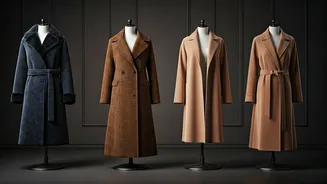
Wool coats offer a blend of style and warmth, making them suitable for both casual and formal occasions. They come in various styles, including overcoats, peacoats, and topcoats. Wool is a natural insulator, and its fibers can trap air, providing warmth even when damp. Consider the weight of the wool; heavier wool coats offer more insulation but can be less breathable. A well-tailored wool coat in a neutral color is a versatile addition to any wardrobe. Ensure the coat fits well over your layers, allowing freedom of movement without being overly bulky. These coats are often seen in movies as well.
Down Jackets: Lightweight Warmth
Down jackets provide exceptional warmth with a lightweight design, making them a popular choice for active individuals. They are filled with down feathers, which are highly effective at trapping heat. The fill power of down is a crucial factor, indicating the quality and insulating ability; higher fill power signifies greater warmth. Down jackets are generally packable and easy to carry, making them ideal for travel. However, they lose insulation when wet, so look for jackets with a water-resistant outer shell. Consider a jacket with a hood for additional protection against the elements. These are often seen in movies.
Bomber Jackets: Stylish Edge
Bomber jackets combine style and practicality, making them a fashionable choice for milder winter days. They typically feature a ribbed collar, cuffs, and hem, which help to trap heat. Bomber jackets come in various materials, including nylon, leather, and wool. Nylon bomber jackets are often water-resistant and windproof, providing good protection against the elements. Leather bomber jackets offer a classic, timeless look, while wool options provide added warmth. These jackets are perfect for achieving a casual yet stylish look. Choose the one that suits your style.
Quilted Jackets: Insulation Comfort
Quilted jackets are characterized by their stitched, patterned design, which helps to distribute insulation evenly throughout the jacket. This design prevents clumping and cold spots, ensuring consistent warmth. They are often filled with down or synthetic insulation, offering varying levels of warmth. Quilted jackets come in many styles, from lightweight options suitable for layering to heavier versions designed for colder weather. Look for features like a stand-up collar and zippered pockets for added functionality. These jackets are both stylish and practical.
Choosing the Right Fit
The fit of your winter jacket is crucial for both comfort and performance. It should allow for layering without feeling restrictive. When trying on a jacket, make sure you can comfortably move your arms and shoulders. The sleeves should be long enough to cover your wrists, and the hem should extend to a suitable length for your chosen style. Consider your body type and choose a jacket that complements your physique. Remember, a well-fitting jacket will not only keep you warmer but also enhance your overall appearance. A proper fit ensures your jacket functions optimally.
Materials Matter
The materials used in a winter jacket significantly impact its warmth, water resistance, and breathability. Down is a superior insulator but loses its effectiveness when wet. Synthetic insulation, such as polyester, performs better in wet conditions and is often more affordable. Waterproof and water-resistant outer fabrics, such as nylon and polyester, protect you from rain and snow. Breathable fabrics allow moisture to escape, preventing overheating. Consider the climate and your activity level when choosing materials. A combination of the right materials will provide the best protection and comfort.
Layering Techniques
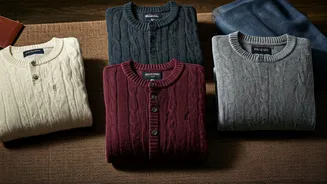
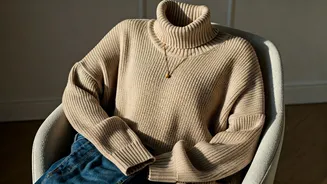
Layering is essential for staying warm in winter. Start with a base layer, such as thermal underwear, to wick away moisture and keep your skin dry. Add a mid-layer, such as a fleece or a sweater, to provide insulation. Finally, wear your winter jacket as the outer layer to protect you from the elements. Adjust your layering based on the temperature and your activity level. Proper layering allows you to regulate your body temperature, ensuring comfort in various conditions. This technique enables you to adapt to changing weather.