



Buy Less, Choose Wisely
The most impactful strategy to combat landfill accumulation is to simply generate less waste from the outset. Opting for fewer, high-quality items that
are built to last, rather than frequently purchasing disposable or trend-driven goods, directly reduces the volume of discarded materials. This mindful approach not only lessens the burden on landfills but also extends the lifespan of your belongings. For instance, extending the useful life of clothing by a mere nine months can slash its environmental impact, including carbon emissions, water usage, and waste generation, by as much as 20 percent. Prioritizing durability and longevity over fleeting trends ensures that fewer items find their way into the waste stream, contributing to a more sustainable consumption pattern.
Master Waste Segregation
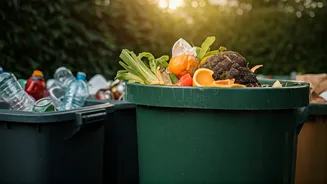
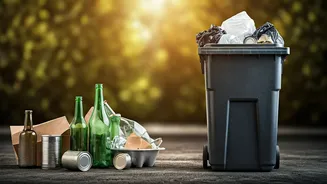
Effective waste segregation at the household level is crucial for diverting recyclable materials from landfills. In India, a significant portion of waste that could otherwise be repurposed ends up in landfills simply because it's mixed with organic matter or other non-recyclable items. Once contaminated, these valuable resources become difficult, if not impossible, to process. By diligently separating wet waste, dry waste, and recyclables, individuals make it substantially easier for waste management systems to recover and process these materials. Studies have demonstrated that implementing simple segregation practices and raising awareness can dramatically improve recycling rates, ensuring that the 17 percent of recyclable waste doesn't go to waste.
Embrace Reusables
The proliferation of single-use products, particularly plastics, poses a monumental challenge to waste management. Items like plastic bags, bottles, and packaging are used fleetingly but persist in the environment for centuries, contributing significantly to landfill burdens. India alone generates around 3.3 million tonnes of plastic waste annually, with a large fraction ultimately ending up in landfills. Making the switch to reusable alternatives, such as carrying your own shopping bags and water bottles, and opting for durable lunch containers instead of disposable utensils, can have a profound collective impact. These conscious choices directly reduce the demand for and disposal of single-use items, mitigating their detrimental environmental consequences.
Compost Organic Waste
A substantial portion of household waste, approximately half, consists of organic materials like food scraps and paper. When this organic matter decomposes in landfills, it releases methane, a potent greenhouse gas far more damaging to the atmosphere than carbon dioxide. By composting kitchen waste either at home or through community initiatives, this organic material is transformed into nutrient-rich soil, a valuable resource rather than a source of pollution. This process not only diverts waste from landfills but also creates a beneficial product for gardening and agriculture. Research indicates that composting can reduce emissions from organic waste by up to 78 percent, making it one of the most effective and accessible waste reduction strategies for households.
Cultivate Conscious Fashion
The textile industry contributes significantly to landfill waste, with millions of tonnes of clothing discarded globally each year. In India, an estimated 7.8 million tonnes of textile waste are generated annually, with a substantial amount ending up in landfills. Cultivating a 'conscious closet' involves making deliberate choices about clothing consumption to minimize textile waste and promote sustainable living. This entails purchasing fewer garments, prioritizing well-made items, extending the life of existing clothes through repair, and donating unwanted items rather than discarding them. Even simple acts, like wearing clothes for longer periods, can collectively lead to a substantial reduction in the amount of textile waste sent to landfills, fostering a more circular approach to fashion.