




Welcoming Vishu 2026
Mark your calendars for April 15, 2026, as Kerala prepares to celebrate Vishu, the traditional Malayalam New Year. This auspicious occasion signifies a fresh
start and the promise of prosperity, marked by a series of cherished rituals and customs passed down through generations. Households across the state will be abuzz with preparations to welcome the new cycle with positivity and hope. As the first day of the Malayalam month of Medam, Vishu typically falls in mid-April, making April 15, 2026, a significant date for embracing new beginnings and celebrating the rich cultural tapestry of Kerala.
Auspicious Viewing Hours
The most pivotal ritual of Vishu revolves around the 'Vishukkani darshan,' the very first sight one beholds on the morning of the New Year. This viewing is ideally performed during the Brahma Muhurta, a period considered highly sacred and spiritually potent, typically occurring between 4:00 AM and 6:00 AM, just before sunrise. While local timings might vary slightly based on regional calendars and specific temple observances, the essence remains to wake before dawn. This practice ensures that the first glimpse of the day is of the meticulously arranged Vishukkani, a sacred tableau believed to imbue the year ahead with good fortune and well-being.
The Meaning of Vishukkani
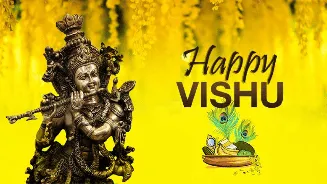
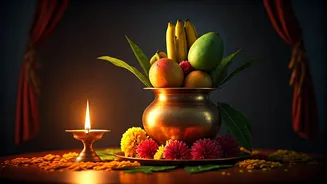
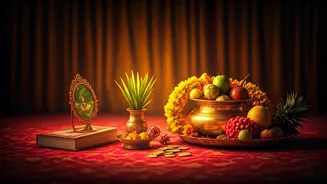
The term 'Vishukkani' itself derives from the Malayalam word 'Kani,' meaning 'that which is seen first.' This tradition underscores the profound belief that the initial visual experience on Vishu morning sets the trajectory for the entire year. To honor this, families dedicate time the night before to create an elaborate and symbolic arrangement. This sacred display is typically positioned before an idol or image of Lord Krishna, who is revered during the festival. The careful curation of items within the Vishukkani is not merely decorative but carries deep spiritual and material significance, aiming to attract positive energies and blessings.
Crafting the Vishukkani
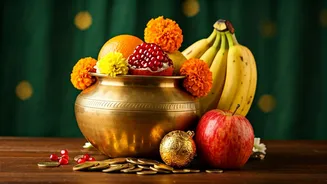
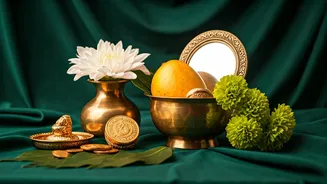
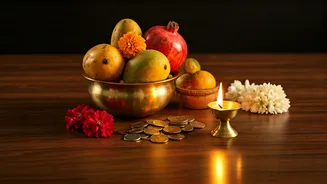
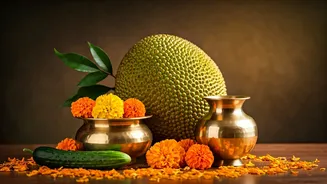
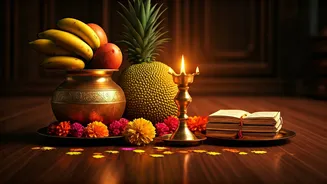
Assembling the Vishukkani is a deeply meaningful ritual, often undertaken by the eldest woman of the household the evening prior. The centerpiece is usually a traditional brass 'uruli' (a vessel), filled with an assortment of items symbolizing abundance and prosperity. This includes essential grains and rice, various fresh fruits and vegetables, a golden cucumber or lemon for wealth, and the vibrant yellow 'konna' flowers (Cassia fistula), synonymous with Vishu. Other significant elements are betel leaves and areca nuts, coins or currency notes to invite financial prosperity, a 'Val Kannadi' (a special mirror) for self-reflection and positive energy, holy scriptures or texts, and a lit oil lamp ('Nilavilakku') for divine blessings. Often, a piece of jewelry or gold is also included to represent material wealth.
Vishu Kaineettam Tradition
A heartwarming and much-anticipated tradition during Vishu is 'Vishu Kaineettam.' This custom involves elders gifting money to younger family members, including children. It’s a beautiful way of bestowing blessings and extending wishes for prosperity and good fortune. Children, in particular, eagerly await this aspect of the celebration, much like receiving gifts during other festive occasions across India. Vishu Kaineettam embodies the spirit of sharing and reinforces familial bonds through gestures of generosity and goodwill.
The Grand Vishu Sadya
No Kerala festival is truly complete without indulging in a magnificent feast, and Vishu is no exception. The 'Vishu Sadya' is a grand, traditional vegetarian spread meticulously served on fresh banana leaves. This culinary celebration typically features an array of delectable dishes such as rice, sambar, avial, thoran, olan, pachadi, and an assortment of pickles and banana chips. The feast is often concluded with the sweet delight of 'payasam.' Enjoyed collectively by families, the Vishu Sadya is a vibrant reflection of Kerala's rich culinary heritage and a testament to the festive spirit of the occasion.
Festive Atmosphere & New Beginnings
Beyond the core rituals, Vishu is celebrated with an infectious sense of joy and festivity across Kerala. Many enthusiastically welcome the New Year by bursting firecrackers, symbolizing the expulsion of negativity and the embrace of new beginnings. Donning new clothes, known as 'Puthukodi,' is another cherished practice, signifying purity and a fresh start. Families also make time for temple visits to offer prayers and spend quality moments together. Homes are adorned with decorations, prayers are offered for a prosperous year, and communities come together to revel in the spirit of this joyous occasion.
Spiritual Significance
At its heart, Vishu is deeply imbued with a spiritual significance that encourages individuals to commence the year with profound gratitude, unwavering faith, and an abundance of positive energy. The festival serves as a powerful reminder to embrace fresh starts, to offer prayers for prosperity and well-being, and to welcome the coming months with unwavering optimism. The elaborate emphasis on 'abundance' within the Vishukkani arrangement mirrors the collective aspirations for wealth, happiness, and overall good fortune that participants hope to manifest in the year ahead.