







Origins and History
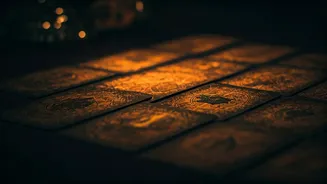
The origins of tarot cards are shrouded in some mystery, but they can be traced back to 15th-century Europe. Initially, these cards weren't used for divination;
they were games. These early decks were elaborate works of art, particularly for the noble families, featuring images representing various aspects of life, from the heavens to the earthly realms. Over time, these game cards evolved, integrating mystical concepts. Their association with fortune-telling and spiritual practices developed, especially through the influence of occultists and esoteric thinkers. The symbolism of each card became deeply complex, with different interpretations evolving over the years. Tarot's association with occultism grew significantly, but they remained a niche practice until the modern era, when their appeal widened. The deck's evolution reflects shifts in cultural and philosophical trends.
Structure of the Deck
A standard tarot deck includes 78 cards, split into two main sections: the Major Arcana and the Minor Arcana. The Major Arcana contains 22 cards, each representing significant archetypal themes and life lessons. Cards like The Fool, The Lovers, and The Death card symbolize major life events, karmic lessons, and the spiritual journey. The Minor Arcana, in contrast, consists of 56 cards divided into four suits: Wands (representing fire, action, and will), Cups (representing water, emotions, and relationships), Swords (representing air, intellect, and conflict), and Pentacles (representing earth, material wealth, and stability). Each suit includes ten numbered cards and four court cards: Page, Knight, Queen, and King. The Minor Arcana provide detail regarding day-to-day happenings, influencing decisions and actions, and shaping the emotional responses tied to experiences. These cards provide context that deepens interpretation, giving a complete understanding of a reading.
Reading and Interpretation
Tarot readings are conducted using various spreads, where the layout of the cards provides a structure for interpretation. Common spreads include the three-card spread, used for simple questions; the Celtic Cross, a more in-depth spread providing detailed insights; and the relationship spread, designed to explore interpersonal dynamics. Interpreting tarot cards requires a combination of intuition and knowledge of the cards' symbolism. Each card has a variety of meanings, and the reader must connect the cards in a given spread and their placement to the question asked. Readers use the cards to offer advice, explore the past and the future, and offer clarity. Reading the cards is not about predicting the future but about gaining insight into current situations and potential outcomes. The reader’s ability to intuit the cards' message is important, allowing them to provide personal and meaningful guidance, making it a tool for self-exploration and understanding.
Common Misconceptions Addressed
One of the prevalent misconceptions surrounding tarot is the idea that the cards provide concrete predictions about the future. While tarot can offer insights into the probable paths, it isn't about setting events in stone. The cards are more about prompting self-reflection and giving insight into potential outcomes influenced by actions and choices. Another misconception is that tarot cards are inherently evil or associated with dark magic. This view is often fueled by historical connections to occult practices, but tarot itself is a tool. The ethics of tarot reading also include the responsible interpretation of the cards. Ethical readers emphasize the seeker's agency and focus on empowerment, rather than providing definitive answers. It's about utilizing the cards to assist the seeker in understanding themselves and their circumstances.
Ethical Considerations of Tarot
Ethical practice is essential for tarot readers to offer responsible guidance. It includes the reader's responsibility to handle sensitive information with care and to promote autonomy. A core ethical practice is to avoid imposing personal beliefs on readings. A reader's bias can skew interpretations. It is vital to frame interpretations in a way that respects the seeker's agency, avoiding predictions that might create undue stress or fear. Setting clear boundaries is vital. Readers should also be transparent about their own limits, refusing to offer advice outside their areas of expertise. Additionally, tarot readers should respect the client's privacy, maintaining confidentiality. Ethical tarot reading is about using the cards to encourage introspection, empowerment, and self-awareness.