




Understanding Denim Cuts
Navigating the vast landscape of denim styles can be daunting, but understanding the foundational cuts is the first step towards finding your perfect pair.
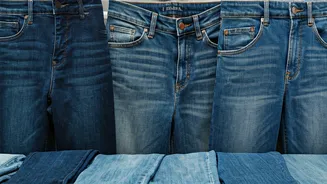
Straight-leg jeans offer a classic, versatile silhouette that never goes out of fashion, fitting snugly through the hip and thigh before falling straight down to the ankle. This universally flattering style works well for various body types and can be dressed up or down with ease, making them a reliable choice for almost any occasion. Bootcut jeans, on the other hand, feature a subtle flare from the knee downwards, designed to accommodate boots but also equally stylish with heels or flats. This cut helps to balance proportions, often creating a visually longer leg line. Skinny jeans, a more contemporary favorite, hug the body from hip to ankle, offering a sleek and modern look that pairs exceptionally well with oversized tops or tunics. For those seeking comfort without sacrificing style, relaxed-fit or boyfriend jeans provide a looser, more casual feel, often sitting a bit lower on the waist and offering a comfortably slouchy aesthetic. Each cut serves a different purpose and aesthetic, so understanding your personal preference and the occasion is key to selecting the right starting point.
The Importance of Fabric
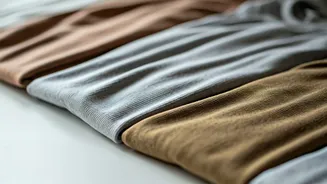
The material composition of your jeans plays a pivotal role in their comfort, fit, and longevity. Traditional denim is primarily composed of cotton, known for its durability and breathability. However, modern denim often incorporates elastane or spandex, typically in percentages ranging from 1% to 3%, to introduce stretch. This stretch element is crucial for achieving a form-fitting silhouette while allowing for ease of movement, preventing that restrictive feeling often associated with rigid denim. Jeans with a higher percentage of stretch offer greater flexibility and can adapt more readily to your body's shape, making them particularly comfortable for all-day wear. Conversely, denim with a lower or no stretch content, often referred to as raw or selvedge denim, tends to be more rigid initially but molds to the wearer's body over time, developing a unique patina and character. The weight of the denim, measured in ounces per square yard, also influences the feel and drape of the jeans; lighter weights are ideal for warmer climates and a softer feel, while heavier weights provide more structure and durability, often favored for workwear-inspired styles. Understanding these fabric nuances will help you choose jeans that align with your comfort preferences and intended use.
Achieving the Perfect Fit
Finding jeans that fit impeccably is an art form, and several key areas demand attention. The waist should sit comfortably without digging in or leaving excessive gaps at the back, a common fit issue for many. A well-fitting waistband ensures the jeans stay put without needing constant adjustment. The rise of the jeans—the distance from the crotch seam to the top of the waistband—significantly impacts both comfort and silhouette. High-rise jeans cinch the waist and can elongate the legs, while mid-rise offers a more classic and universally flattering option. Low-rise jeans sit lower on the hips, a style that has seen fluctuating popularity but remains a preference for some. Beyond the waist and rise, pay close attention to how the jeans contour your hips and thighs; they should skim your curves without being overly tight or baggy, depending on the desired style. The length is equally critical, as it dictates how the jeans will be worn and with what footwear. Whether you prefer them cropped to show off your ankles, hitting just at the top of your shoe for a clean break, or pooling slightly for a more relaxed look, ensuring the right inseam is paramount for a polished appearance. Trying on multiple sizes and styles is often necessary to discover what truly works for your individual body shape.