








Material Matters
The foundation of a warm bed starts with the right materials. Consider fabrics like flannel, known for its soft, brushed texture that traps heat effectively.
Fleece is another popular choice, offering a plush feel and excellent insulation. Wool, although sometimes associated with scratchiness, is naturally warm and breathable. However, for those sensitive to wool, alternatives like microfiber or synthetic fleece can be equally effective. Down and feather comforters are classic choices, providing exceptional warmth-to-weight ratios. The construction of the bedding is also important. Look for tightly woven fabrics to minimize heat loss and consider the weight or fill power of the comforter or blanket, as this directly affects its ability to trap warmth. The goal is to choose materials that will effectively insulate you from the cold without causing overheating or discomfort. These materials are pivotal to ensuring you stay warm all night.
Construction Considerations
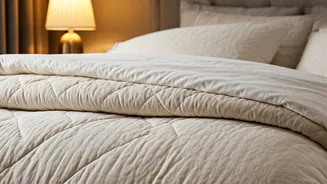
Beyond the type of fabric, the way a bedsheet or blanket is constructed plays a significant role in its thermal properties. Flannel sheets, for example, are typically brushed on one or both sides to create a soft, insulating layer. The thread count, although not always the sole indicator of quality, can influence the feel and durability of the sheets. For blankets, the stitching pattern affects how well the filling (if any) stays in place. Quilts, for instance, are constructed with a stitched pattern to hold the layers together, ensuring even warmth distribution. Consider the weight of the blanket; heavier blankets provide more insulation but might not be suitable for everyone. Examine the stitching and overall construction quality to ensure the bedding will last through multiple winter seasons. Thoughtful consideration of construction specifics contributes greatly to a warm and comfortable sleep experience.
Assessing Your Needs
Every individual has different needs when it comes to bedding. Factors such as personal preference, climate, and health conditions can influence the ideal choice. Those who tend to feel cold easily will benefit from heavier blankets and warmer materials. On the other hand, individuals living in regions with milder winters might prefer lighter options to avoid overheating. Allergies and sensitivities should be taken into account when selecting materials; hypoallergenic options are readily available. Consider your preferred sleeping position, and whether you tend to kick off the covers or like to be tucked in. Think about how the bedding will fit into your existing bedroom setup, and whether you are aiming for a classic or more modern look. Understanding your own requirements will ensure you choose bedding that best suits your comfort level, contributing to a restful night's sleep.
Layering Techniques
Layering is a fundamental strategy for maximizing warmth during winter. Start with a fitted sheet made from a warm material like flannel or fleece, followed by a flat sheet. Next, add a blanket, and finally, top it with a comforter or duvet. For extra warmth, consider adding an electric blanket under the layers. The layering approach allows for adjusting warmth levels to suit the night's temperature. It also provides flexibility, so you can easily remove or add layers as needed. Layering also allows for a more controlled sleep environment, as you can tailor the amount of insulation to your personal preference. By using different layers, you create pockets of air that trap heat, boosting insulation and overall warmth during the night. Experiment with different combinations to discover your perfect layering setup.
Care and Maintenance
Proper care ensures that your winter bedding remains in top condition, providing comfort and warmth for years. Always follow the manufacturer's instructions when washing and drying sheets, blankets, and comforters. Flannel sheets should be washed in cold water to prevent shrinking, and fleece may need to be washed separately to avoid lint buildup. Comforters and duvets should be laundered in a machine large enough to accommodate their size, or they can be professionally cleaned. Regular airing and occasional sunbathing can help remove moisture and odors. Invest in bedding protectors, such as mattress and pillow protectors, to extend the life of your investment. Proper storage during the off-season is also essential, storing bedding in a cool, dry place away from direct sunlight and pests. Adhering to these maintenance steps contributes to the longevity and performance of your winter bedding.
Enhancing Sleep Comfort
Beyond the bedding itself, other elements can significantly impact your winter sleep comfort. A warm bedroom environment is key. Use a programmable thermostat to maintain a comfortable temperature throughout the night. Consider using a humidifier to combat dry air, which can exacerbate respiratory issues. A weighted blanket can provide a sense of security and relaxation, potentially improving sleep quality. Optimize your sleep environment by minimizing noise and light disturbances. A consistent bedtime routine promotes healthy sleep patterns. Relaxing activities such as reading or listening to calming music can signal to your body that it's time to rest. Creating a soothing atmosphere maximizes the benefits of your warm bedding. Enhancing the environment contributes to a comfortable, peaceful, and restorative sleep experience.