







Embracing the First Roza
The spiritual journey of Ramadan 2026 officially commenced in India on February 19th, following the sighting of the Ramadan crescent moon on February 18th.
For millions of Muslims across the nation, this day marked the observance of their very first roza, initiating a period dedicated to intense spiritual introspection, disciplined fasting, fervent prayer, and acts of profound charity. Preparations for this sacred month have been underway, with homes and mosques across India gearing up for the special rituals, prayers, and communal gatherings that characterize this blessed time. The air is filled with anticipation and joy, as families eagerly anticipate sharing iftar meals together. Simultaneously, social media platforms are abuzz with the exchange of 'Ramadan Mubarak' wishes, messages, and vibrant status updates, reflecting the collective spirit of this significant occasion. The intention to fast, known as Niyyah, is a crucial first step, made with a sincere heart before the dawn prayer, signifying a personal commitment to observing the fast for divine sake and setting a spiritual tone for the entire month.
Sehri and Fajr: The Dawn's Beginning
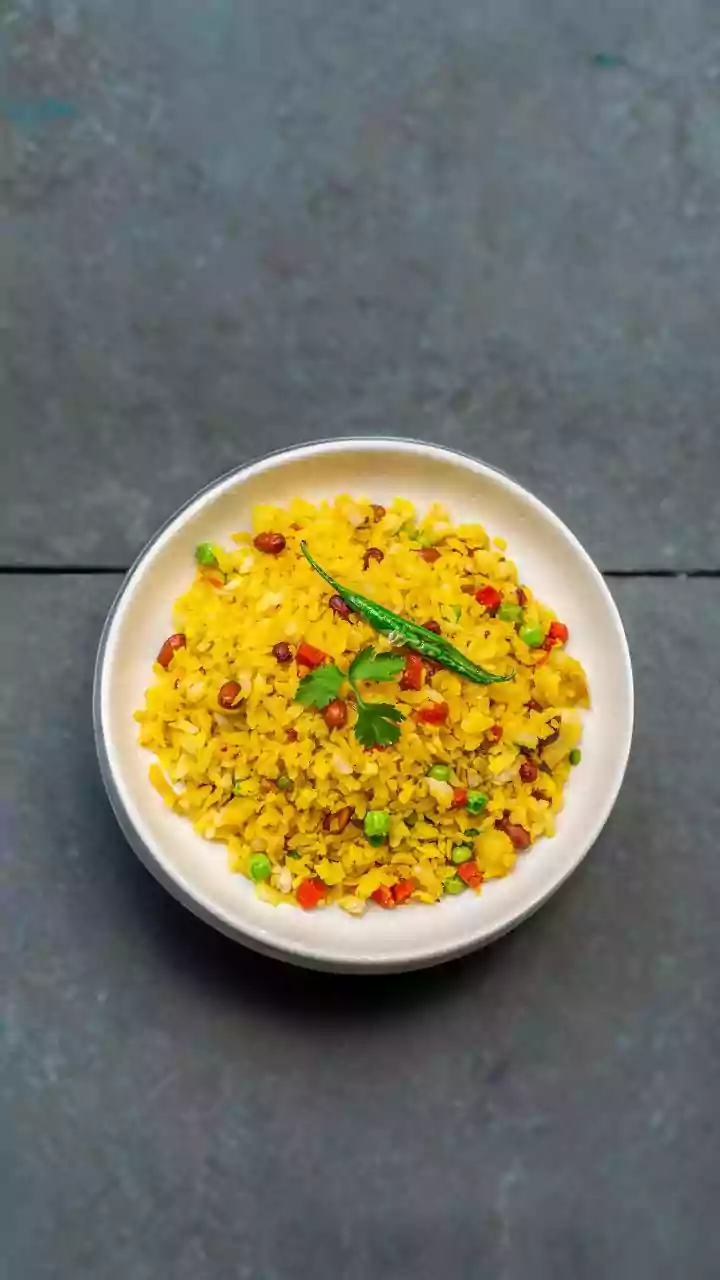
The day's observance begins well before sunrise with Sehri, a vital pre-dawn meal consumed before the Fajr prayer. This meal is not merely about sustenance; it's a crucial part of preparing the body and spirit for the day's fast. What constitutes a traditional Sehri meal can vary significantly across different regions of India, reflecting the diverse culinary landscapes of the country. For instance, in Delhi, common Sehri items include parathas, fresh fruits, and milk, offering a balanced start. Hyderabadis often opt for hearty dishes like Haleem or khichdi, known for their energy-releasing properties. Meanwhile, in Mumbai, Poha, eggs, and dates are popular choices, providing essential nutrients. Eating a wholesome Sehri meal is paramount to sustaining energy levels throughout the long hours of fasting. Following Sehri, Muslims engage in the Fajr prayer, the first of the five daily prayers, marking the formal commencement of the day's fast and underscoring the importance of mindfulness and spiritual preparation from the very outset.
Upholding Values Throughout the Day
The essence of fasting on the first roza extends far beyond the abstinence from food and water; it is a profound practice of self-discipline and spiritual purification. During this initial day of Ramadan, individuals are encouraged to focus intensely on cultivating positive attributes and engaging in activities that nurture their spiritual growth. This includes the conscious effort to control anger and refrain from negative behaviors, fostering an environment of peace and tranquility. It is a time for increased devotion through extra prayers, dedicating more time to reading or listening to the Holy Quran, and reflecting on its teachings. Furthermore, the principle of charity, embodied by Zakat or Sadaqah, plays a significant role, urging individuals to be generous and supportive of those in need. Many continue their daily routines, including work or studies, while observing the fast, demonstrating that spiritual discipline can be integrated into everyday life. Communal gatherings, especially in mosques, are vital for strengthening the sense of unity and mutual support among believers.
Iftar and Maghrib: Breaking the Fast
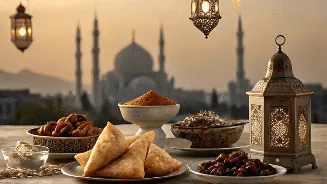
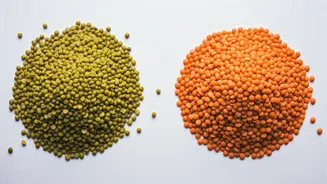
As the sun sets, signaling the time for the Maghrib prayer, the fast is officially broken during the Iftar meal. This moment is often initiated with the consumption of dates and water, a tradition rooted in historical practice that is both symbolic and beneficial for replenishing energy. Following this, families and communities frequently gather for a more substantial meal, transforming Iftar into a cherished communal event. Popular choices for the first-day Iftar meal in India often include comforting lentil soup (dal), flavorful rice dishes like biryani, and delightful sweet treats such as phirni or kheer, culminating with refreshing fresh fruits and beverages. The breaking of the fast is a time of gratitude and shared blessings, reinforcing bonds of family and community. The Iftar meal provides a welcome opportunity to savor food after a day of abstinence and to express thankfulness for the provisions received.
The Spiritual Culmination: Taraweeh
The commencement of Ramadan on the first day also heralds the beginning of Taraweeh prayers. These are special, voluntary congregational prayers performed nightly after the Isha (night) prayer, offering an extended period for spiritual devotion and connection. The structure of Taraweeh prayers can vary, with many mosques traditionally conducting them in either 8 or 20 rakats (units of prayer), depending on the specific school of thought or local custom followed. These prayers are a significant feature of Ramadan evenings, providing an opportunity for the community to come together in worship and reflection. Participating in Taraweeh enhances the spiritual experience of the month, fostering a deeper sense of peace and mindfulness. It is a time when the community unites in devotion, seeking closeness to the divine and strengthening their collective faith throughout the holy month.
Cultural Significance and Wishes
The first roza holds profound cultural and spiritual significance, serving as a catalyst for a spiritual reset and a renewed commitment to faith. It is a day dedicated to strengthening one's 'iman' (faith), cultivating self-discipline, and practicing patience in all aspects of life. This initial day provides a critical opportunity for deep reflection on gratitude for life's blessings and the provisions bestowed upon us. It is also a time for earnest prayer, not only for personal well-being but also for the peace, unity, and prosperity of family, community, and the nation at large. Religious leaders across India have emphasized this aspect, urging Muslims to pray for global peace and harmony throughout the holy month. As the first roza begins, 'Ramadan Mubarak' wishes, messages, and status updates flood social media and personal communications, with common greetings like 'Ramadan Mubarak! May Allah accept your roza and prayers,' 'First roza completed — blessings of Ramadan be with you,' and 'Peace, patience, and forgiveness this holy month,' encapsulating the spirit of goodwill and shared spiritual aspiration.