





Resilience Amidst Adversity
The Kashmir Valley's tourism sector is showcasing exceptional fortitude, with projections indicating that 2026 will witness an unprecedented influx of
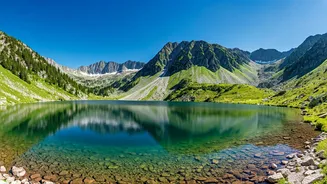
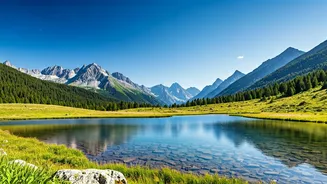
visitors, surpassing all previous records. This remarkable recovery follows a tumultuous period in 2025, notably shadowed by the April terror attack in Pahalgam. Despite this setback, the region's commitment to safety and the unwavering allure of its landscapes have reignited traveler confidence. Over 1.62 crore tourists visited Jammu and Kashmir in 2025, a testament to the enduring appeal of the valley, even in the face of such tragic events. The successful reopening of 14 major tourist spots in February 2026, after undergoing security assessments, further solidifies this optimistic outlook. This resurgence is not merely a statistical recovery; it represents a triumph of spirit and a renewed embrace of tourism as a vital economic driver for the region.
Enhanced Security Measures
Ensuring the safety and comfort of every visitor is paramount, with security measures across Kashmir's prime tourist destinations significantly bolstered. This multi-tier security framework includes increased patrols and advanced surveillance systems, creating a secure environment that reassures travelers. The return of tourists is being hailed by Union Ministers as a victory against those who sought to disrupt peace and progress. This strategic reinforcement of security has been instrumental in rebuilding trust and encouraging domestic and international travelers to explore the valley's wonders. The visible presence of enhanced security, coupled with the warmth of local hospitality, forms a robust foundation for sustained tourism growth, allowing visitors to immerse themselves in Kashmir's natural beauty with peace of mind.
Record Occupancy and Growth
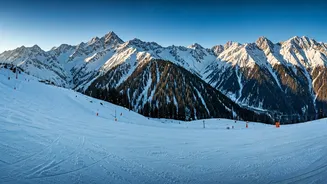
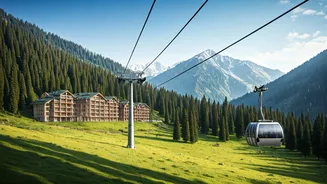
Iconic destinations like Gulmarg and Pahalgam are experiencing near-full hotel occupancy, a clear indicator of the booming tourism season. This surge is largely driven by a strong wave of domestic tourism, further amplified by the renewed confidence in the region's safety. Director Tourism, Syed Qamar Sajad, highlights the dramatic increase in visitor numbers, noting that previously quiet attractions like the Gandola ride in Gulmarg are now bustling with activity, far exceeding last year's figures. This revitalization extends to other key areas such as Sonamarg, which, alongside Gulmarg and Pahalgam, has reported 100% hotel occupancy during the recent winter months. This success is partly attributed to the captivating winter festivals that drew global attention, showcasing Kashmir's unique charm even in the colder seasons.
Traveler Testimonials
The voices of tourists themselves paint a vivid picture of their experiences, often highlighting a profound appreciation for Kashmir's unparalleled beauty and safety. Despite initial apprehensions, many visitors, like Satya and Venkatesh celebrating their anniversary, found the cold weather enjoyable and the scenery breathtaking, planning extended stays to explore different locales. Nidhi echoed this sentiment, admitting to initial fears due to prevailing advice against travel but expressing immense joy and satisfaction upon experiencing the snowfall and the general safety of the region. These personal accounts are powerful endorsements, encouraging others to visit and discover for themselves that Kashmir is not only beautiful but also a safe haven for travel, challenging negative perceptions and fostering a genuine connection between visitors and the valley.
Infrastructure and Economic Impact
The newly operational train link connecting Srinagar to the rest of India via the Katra-Srinagar route has emerged as a significant catalyst for this tourism revival, enhancing accessibility and convenience for travelers. Tourism's contribution to Jammu and Kashmir's Gross State Domestic Product (GSDP) stands at approximately 7%, underscoring its crucial role in the regional economy. This sector directly supports a vast network of families involved in hospitality, transportation, and handicraft industries, demonstrating its far-reaching economic influence. The collaborative efforts of local communities and authorities in implementing confidence-building measures have been instrumental in revitalizing footfall, signaling a robust return to normalcy and prosperity for the region's tourism-dependent economy.