





Arti's Wedding Goal
In anticipation of her wedding, television personality Arti Singh embarked on a determined mission to achieve a slimmer physique for her wedding photographs.
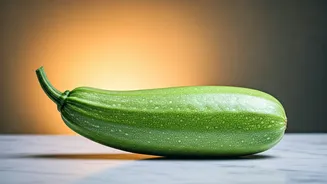
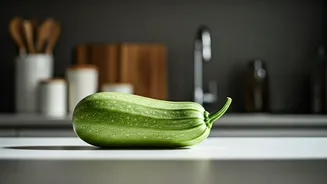
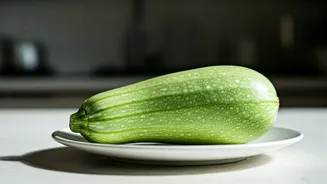
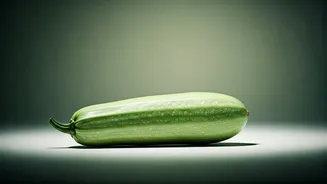
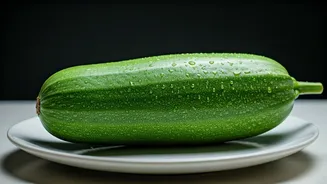
To meet this goal, she adopted a highly disciplined dietary regimen, opting to consume only bottle gourd (lauki) for her evening meals over a period of 25 consecutive days. This stringent approach was driven by her desire to look her best on her special day, a significant life event she wanted to commemorate with optimal physical appearance. Her commitment to this specific food choice for dinner highlights the lengths she went to in pursuit of her aesthetic objectives, focusing on a simple yet severe calorie-controlled strategy.
The Lauki Diet Explained
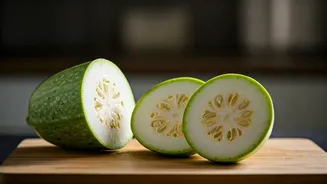
Arti Singh's unique weight loss method involved a dinner consisting solely of bottle gourd, prepared with minimal seasoning. She explained that she used only rock salt and coriander leaves, eschewing other spices. The lauki was cooked in a pressure cooker and then mashed. She reported that this focused dietary choice, coupled with unwavering consistency, led to a notable weight reduction of 5 kilograms within a span of just 20 days. The simplicity of the meal, being low in calories and high in water content, helped her feel full while keeping her overall calorie intake significantly lower than her usual dinners. This practice was a direct response to her ambition to appear slimmer in wedding pictures, demonstrating a pragmatic approach to achieving a short-term, impactful physical transformation.
Nutritionist's Perspective
While Arti Singh's strategy yielded rapid results, a senior clinical nutritionist from Aster RV Hospital provided a professional viewpoint. The expert acknowledged that consuming a single, low-calorie food like bottle gourd nightly for an extended period can indeed lead to initial weight loss. However, this approach is flagged as neither the healthiest nor the most sustainable long-term solution. The initial drop in weight is often attributed to water loss, as the body's carbohydrate stores diminish. While a calorie deficit over time can contribute to fat loss, the nutritionist cautioned against such restrictive plans. These diets can potentially lead to nutritional deficiencies, inadequate protein intake, and a slower metabolism, making sustained weight management challenging. Furthermore, the repetitive nature of the meals may result in exhaustion and intense food cravings, often leading to rebound weight gain once normal eating patterns resume.
Risks of Monotone Eating
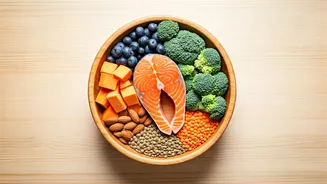
The nutritionist further elaborated on the potential downsides of relying on a single vegetable for dinner. Although vegetables are naturally low in calories and rich in fiber, they typically lack sufficient protein and healthy fats, which are crucial for preserving muscle mass and maintaining hormonal balance. Consuming the same meal for weeks on end can consequently lead to fatigue, a weakened immune system, and deficiencies in essential micronutrients, such as iron and vitamin B12. A more advisable and sustainable rate of weight loss is generally considered to be between 0.5 to 1 kilogram per week. Accelerated weight reduction often involves losing water and muscle alongside fat, which can decrease overall body strength and reduce metabolic rate. The effectiveness of monotone diets in the short term stems from the natural reduction in calorie intake due to a lack of variety and decreased appetite, but they rarely offer lasting benefits and can create nutrient gaps, potentially hindering future weight loss efforts.