





Navratri's Precise Start
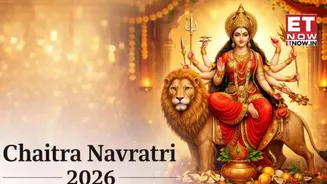
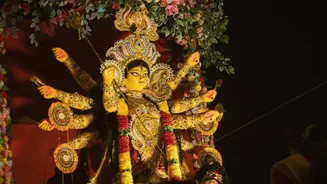
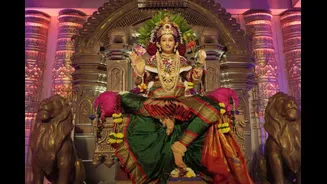
Chaitra Navratri, a significant Hindu festival dedicated to the worship of Goddess Durga in her nine divine forms, is observed for a period of nine days.
This year, 2026, the commencement date has sparked some confusion, with many people uncertain whether it begins on March 19th or March 20th. This ambiguity often arises due to the specific timings of the Pratipada Tithi, the first day of the lunar month. However, according to astrological calendars such as Drik Panchang, Chaitra Navratri in 2026 will officially commence on March 19th and conclude on March 27th. These nine days are considered highly propitious, offering a period for profound spiritual growth, deep devotion, and personal purification.
Auspicious Ghatsthapana Timing
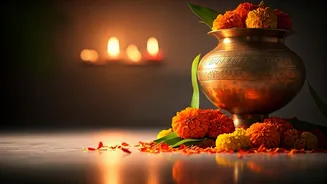
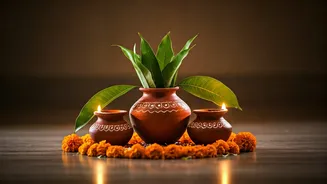
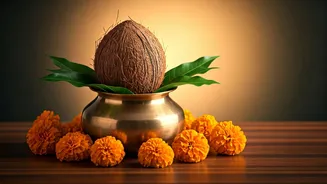
The ritual of Ghatsthapana, also known as Kalash Sthapana, signifies the formal inauguration of Navratri and demands careful observance of auspicious timings to invite divine blessings. For Chaitra Navratri in 2026, the Pratipada Tithi commences on March 19th at 06:52 AM and concludes on March 20th at 04:52 AM. The most opportune window for performing the Ghatsthapana Muhurat falls on March 19th, specifically between 06:52 AM and 07:43 AM. An even more highly regarded period for this sacred ceremony is the Abhijit Muhurat, which occurs on the same day, March 19th, from 12:05 PM to 12:53 PM. Performing the Kalash Sthapana during these precisely identified auspicious times at home is believed to amplify the spiritual benefits and foster a positive atmosphere for the upcoming nine days of worship.
Significance of Chaitra Navratri
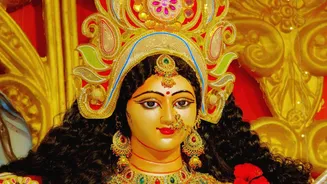
Chaitra Navratri holds immense spiritual importance in Hinduism, serving as a sacred period for devotees to connect with the divine feminine energy embodied by Goddess Durga. The festival is not only an occasion for fervent prayer and fasting but also marks a significant event in the Hindu calendar: the beginning of the Vikram Samvat, the traditional Hindu New Year. This timing imbues the festival with a sense of renewal and new beginnings. At its core, Chaitra Navratri symbolizes the perennial triumph of good over malevolent forces, reinforcing faith and spiritual resilience. The conclusion of this auspicious nine-day period culminates in the celebration of Ram Navami, commemorating the birth of Lord Shri Ram, further enriching its spiritual tapestry.
Simple Home Puja Rituals
Observing Chaitra Navratri at home can be a deeply rewarding spiritual experience through the performance of simple yet effective puja rituals. Begin by taking a refreshing bath early in the morning before commencing any ceremonies. Ensure your living space and the designated puja area are meticulously cleaned to create a pure environment. Place an idol or a picture of Goddess Durga upon a clean wooden platform. During the auspicious Ghatsthapana Muhurat, establish a Kalash, filling it with water and placing a coconut on top. Light a lamp with ghee and offer fresh flowers, fruits, and sweets to the deity. Present traditional shringar items such as bangles and sindoor as tokens of devotion. Throughout the day, engage in chanting Durga mantras and reciting sacred texts like the Durga Chalisa or Durga Saptashati. In the evening, conduct the puja again and offer bhog, a ritualistic food offering. Following the prasad distribution, break your fast with simple, sattvik (pure vegetarian) food.
Chanting Powerful Mantras
The recitation of specific Durga mantras is an integral part of Chaitra Navratri worship, believed to invoke peace, positivity, and the benevolent blessings of the Goddess. Some of the most revered mantras to chant during this period include: 'Om Jayanti Mangala Kaali, Kripa Saagarasi, Durge Kshamasi Namostute', which invokes her fierce yet compassionate aspects. Another powerful chant is 'Om Sarva Mangala Mangalye, Shive Sarvartha Sadhike, Sharanye Triyambake Gauri, Narayani Namostute', seeking auspiciousness and fulfillment of desires. The mantra 'Sarva Badha Vinirmukto, Dhan Dhanyat Sutadih, Manushyo Mat Prasaden Bhavishyati Na Sanshayah' is chanted to be freed from all obstacles and attain prosperity. Finally, 'Sarva Swaroopay Sarveshe, Sarva Shaktidharinyai, Trinetrayai Dam-Shulk-Kshud Prahapre Durlabhayai Namah,' honors her manifold forms and immense power. Consistent chanting of these powerful verses is said to foster a serene state of mind and attract divine grace throughout the Navratri observance.