






A Sudden Halt
The repercussions of global sanctions and related measures have impacted the automobile sector, notably leaving a segment of Russian luxury car owners
in a challenging situation. Certain vehicles, like those manufactured by Porsche and BMW, became immobilised, unable to start or function correctly. The underlying reason appears to be the deployment of sophisticated technological mechanisms embedded within the vehicle systems. These systems were remotely triggered, causing critical functionalities to lock, thus rendering the cars inoperable. This technical intervention highlights the increasing role of technology in modern vehicles and how it can be used in response to geopolitical decisions. It also affects the owners in significant ways.
Tech's Crucial Role
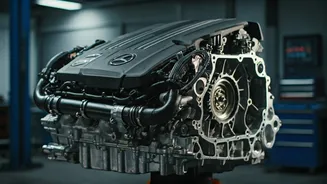
Modern vehicles are not merely mechanical devices; they are intricately linked with sophisticated computer systems that oversee a variety of functions, from engine management to security protocols. Manufacturers such as Porsche and BMW have integrated advanced software systems into their vehicles, which can be remotely controlled. When sanctions were imposed and related actions were taken, these systems were likely accessed to disable key components, essentially immobilising the vehicles. The precise methods used to effect these lockouts, such as software updates or remote access protocols, aren't publicly specified. It's evident, though, that manufacturers wield substantial control over their products even after they've been sold, particularly in instances when global events prompt such measures.
Consequences Emerge
The impact of these actions on Russian luxury car owners is substantial. Vehicles that are otherwise functional and well-maintained are rendered unusable, leaving owners with significant financial and practical issues. This situation affects vehicle resale value, because the cars are essentially paperweights. Moreover, owners face hurdles with maintaining their vehicles because accessing necessary replacement parts becomes problematic, or impossible. This also restricts the usage of certain services that would normally be available for the cars. The implications stretch beyond personal inconvenience, demonstrating the far-reaching influence of international politics on everyday life and the vulnerabilities that can arise from advanced technology and its management.
Future Outlook
The instances where luxury vehicles have been technologically disabled represent a new facet in the intersection of international relations, technology, and consumer goods. As globalization continues, and as manufacturers increasingly integrate advanced technologies into their vehicles, these types of interventions might become more frequent. The incident raises significant questions about vehicle ownership, data security, and the control that manufacturers retain over their products even after sale. The long-term impact on consumer confidence and the automotive industry remains to be seen. The situation is a reminder of the complex consequences that can arise from international actions and technological advancements.