



Journey Transformed
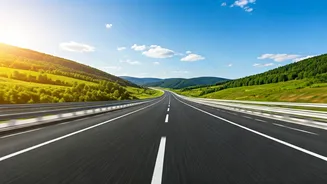
The opening of the Delhi-Dehradun Expressway marks a significant milestone in inter-city travel, drastically reducing the time commuters spend on the road.
What once took around six hours to traverse the distance between Delhi and Dehradun can now be accomplished in just under three hours. This remarkable improvement is a testament to enhanced infrastructure and a focus on passenger convenience and speed, as confirmed by test drives conducted by the Uttarakhand Transport Corporation (UTC). The aim is to make the 'long drive' a distant memory, replacing it with a swift and efficient transit experience for everyone traveling between these two important locations.
Fare Reductions Unveiled
Beyond the impressive time savings, the Delhi-Dehradun Expressway has also brought about welcome financial relief for travelers. Due to the shorter route and improved fuel efficiency, bus fares have seen a substantial decrease of up to 25%. For those opting for premium Volvo services, the ticket price has dropped from Rs 945 to Rs 709, offering a saving of Rs 236. Passengers choosing AC class will now pay Rs 557 instead of the previous Rs 704, an immediate saving of Rs 147. Even the ordinary bus services have become more budget-friendly, with fares reduced from Rs 420 to Rs 355, a saving of Rs 65. These fare adjustments make the journey more accessible and affordable for a wider range of passengers.
Engineering Marvels
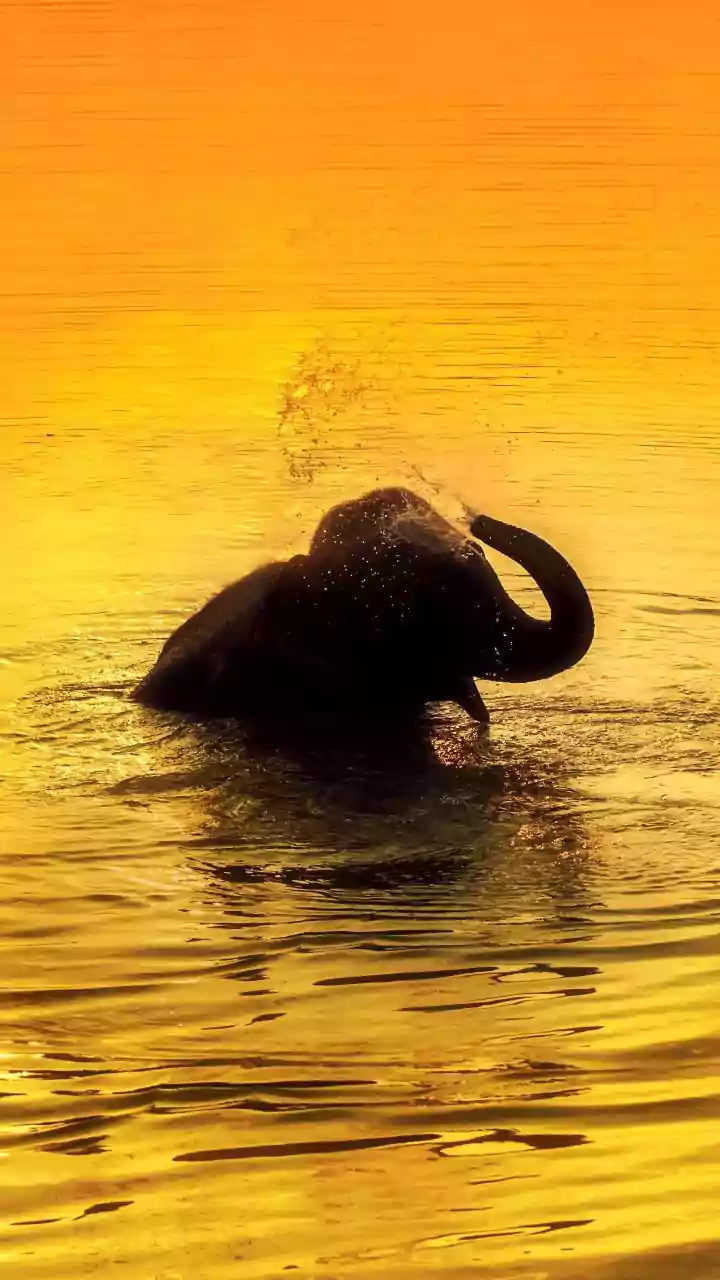
The Delhi-Dehradun Expressway is not merely a quicker route; it's an engineering feat designed for efficiency and safety, capable of supporting speeds up to 100 km/h. Spanning a length of 6 to 12 lanes depending on the stretch, it originates from Akshardham in Delhi and passes through Loni, Baghpat, Baraut, Shamli, and Saharanpur before reaching Dehradun. A key feature is the 50.7 km dedicated stretch that provides rapid access to Haridwar, cutting down travel time to the holy city to approximately 2 hours from Delhi. Furthermore, the project incorporates the longest wildlife corridor in Asia, a 12 km overhead bridge passing through the Rajaji National Park, ensuring the safety and passage of wildlife.