






The Science of Green Air
Indoor environments can often harbor higher levels of pollutants than the outdoors, stemming from everyday items like paints, furniture, and inadequate
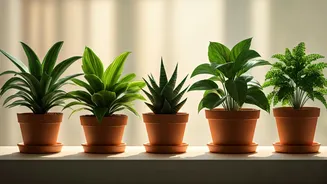
ventilation. Recognizing this, NASA embarked on a pioneering study in 1989, known as 'Interior Landscape Plants for Indoor Air Pollution Abatement.' This research meticulously investigated the capacity of various houseplants to absorb harmful toxins such as benzene, formaldehyde, and trichloroethylene commonly found in homes. While these plants are not a substitute for robust ventilation systems or dedicated air purifiers, integrating them thoughtfully can significantly contribute to a healthier and fresher indoor atmosphere. This article highlights five specific plant varieties that not only meet NASA's criteria for air purification but also flourish in the diverse climatic conditions prevalent across India.
Snake Plant's Resilience
The Snake Plant, affectionately known as mother-in-law's tongue, stands out as an exceptionally low-maintenance indoor botanical. Its adaptability is remarkable, thriving even in dimly lit corners, enduring infrequent watering schedules, and tolerating fluctuating temperatures, making it an ideal candidate for the often-variable conditions within Indian apartments. NASA's research identified its potent ability to filter airborne irritants like formaldehyde and benzene. A unique characteristic of the snake plant is its nocturnal oxygen release, a trait that makes it particularly beneficial for placement in bedrooms, promoting better air quality throughout the night. To ensure its well-being, water it sparingly, allowing the soil to dry out slightly between waterings, and position it in locations that receive indirect sunlight, avoiding harsh, direct rays.
Areca Palm's Tropical Touch
Renowned for its abundant, tropical foliage, the Areca Palm is a popular choice for many Indian households, enhancing interior aesthetics with its vibrant greenery. Beyond its visual appeal, this plant was recognized by NASA for its effectiveness in cleansing the air of common toxins. Furthermore, the Areca Palm plays a role in increasing indoor humidity levels, a valuable asset in combating the dryness often associated with air-conditioned spaces, which can lead to respiratory discomfort. To keep this tropical beauty thriving, ensure it is placed in an area with bright, indirect light, and water it whenever the top layer of soil feels dry to the touch, avoiding over-saturation.
Peace Lily's Gentle Bloom
The Peace Lily garners admiration for its elegant, pristine white blooms, adding a touch of sophistication to any room. Its air-purifying prowess lies in its capacity to mitigate indoor pollutants such as ammonia and benzene, contributing to a cleaner living environment. However, compared to the snake plant, the Peace Lily requires a slightly more attentive care regimen. It's also important to note that its leaves can be mildly toxic if ingested, so it should be kept in a location inaccessible to curious pets. The ideal conditions for a Peace Lily involve low to medium light levels and consistently moist soil, ensuring it doesn't dry out completely between waterings.
Spider Plant's Adaptability
The Spider Plant is celebrated for being both exceptionally beginner-friendly and exhibiting rapid growth, making it an accessible choice for novice plant enthusiasts. This resilient species has been particularly noted for its ability to filter out common indoor pollutants like carbon monoxide and formaldehyde. Its adaptability extends to thriving comfortably in Indian weather conditions. Visually, spider plants are highly attractive, especially when displayed in hanging baskets, which allows their cascading leaves to create a striking focal point in balconies and living areas alike. For optimal health, place your spider plant in bright, indirect sunlight and maintain a moderate watering schedule, allowing the soil to dry slightly between hydration cycles.
Money Plant's Versatility
The Money Plant, or Pothos, is a widely cultivated species in India, esteemed for its remarkable hardiness and adaptability. This versatile plant can flourish whether its roots are in soil or submerged in water, and it possesses an impressive tolerance for low-light conditions. NASA's extensive research has indicated that Pothos varieties are effective in eliminating prevalent indoor air contaminants, including benzene and formaldehyde. To prevent common issues like root rot, a crucial care tip is to allow the soil to dry out to a certain extent between watering sessions, ensuring a healthy root system and robust growth.