
Prep Smarter, Faster
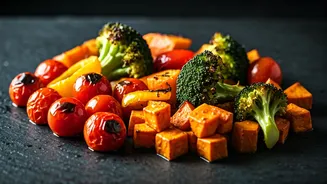
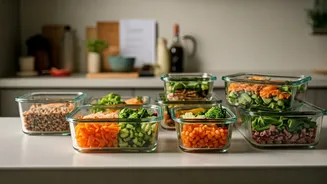
Chef Kapoor's first set of tips centers on intelligent preparation methods. One key idea is to prepare ingredients ahead of time. This includes chopping
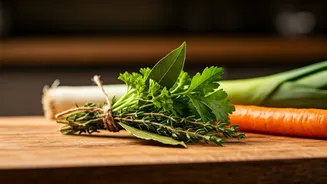
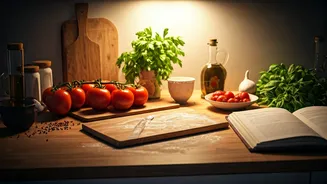
vegetables, measuring spices, and pre-portioning items, thus significantly cutting down on cooking time during meals. Another suggestion is to use mise en place, a French culinary term, meaning 'everything in its place.' This involves having all ingredients measured, cut, peeled, and ready to cook before you start. For instance, have all your vegetables prepped and seasonings ready. Consider using a prep bowl for any discarded parts to keep your workspace clear and organized. These strategies emphasize organization and forethought, ensuring a smoother and more efficient cooking experience, letting you focus on the creative side of cooking rather than the tedious prep work. These initial steps are the foundation of efficient cooking.
Spice Rack Secrets
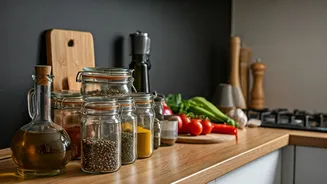
The spice rack is an essential part of any kitchen, and Chef Kapoor offers valuable advice on its proper management. The first tip emphasizes the importance of storing spices properly. Spices should be stored in airtight containers, away from heat and direct sunlight, to preserve their flavor and potency. Chef Kapoor also stresses the importance of labeling each spice clearly and dating the containers, so you can track freshness. Another tip is to regularly check the shelf life of your spices and discard old ones. Ground spices typically last for about 6 months to a year, while whole spices last longer. Consider using clear containers so you can easily see what you have and what you need. A well-organized and maintained spice rack not only enhances your cooking but also helps you to avoid using stale ingredients, which can negatively affect the taste of your dishes.
Efficient Cooking Techniques
Chef Kapoor also highlights some cooking techniques. A crucial tip is to master the art of multitasking. For example, while one dish is simmering, you can start prepping ingredients for the next one. This efficient use of time enables you to cook multiple dishes simultaneously. Another tip involves using the right heat levels. High heat is suitable for searing or stir-frying, while low heat is essential for simmering or slow cooking. The technique of tasting while cooking is also highlighted. Taste your food as you go and adjust seasonings accordingly. Chef Kapoor suggests tasting several times throughout the cooking process. Finally, he advises using the right tools for the job. Having sharp knives, sturdy spatulas, and the correct cookware will significantly improve your cooking efficiency and results. Proper tools and mindful techniques are critical for turning out great dishes.
Smart Food Storage
Effective food storage is another key area Chef Kapoor addresses. He suggests using airtight containers for all food storage. This helps to maintain freshness and prevent spoilage. Labeling containers with the date helps manage your inventory, ensuring you consume items before they expire. Proper refrigeration is also essential. Understand the right temperature settings for your refrigerator and freezer, and avoid overcrowding them, which can impact airflow. Another practical tip is to plan your meals to avoid food waste. By planning your meals for the week, you can buy only what you need, reducing the likelihood of throwing food away. Make sure to store cooked food in the refrigerator quickly after it cools down to prevent bacterial growth. Effective storage maximizes the shelf life of ingredients and minimizes waste, thus helping to keep your kitchen organized.
Waste Reduction Strategies
In line with efficient food practices, Chef Kapoor offers practical tips to minimize kitchen waste. One suggestion involves utilizing leftovers creatively. Leftover rice can be used in fried rice or as a base for other dishes. Vegetable scraps can be used to make vegetable stock. Freezing leftovers is another helpful strategy. Portion out leftovers and freeze them in airtight containers for future meals. Proper storage, as mentioned earlier, is crucial in preventing food spoilage. Regularly check your refrigerator and pantry for items nearing their expiration dates and use them before they go bad. By implementing these practices, you can significantly reduce food waste and save money. Waste reduction is not just good for the environment but also enhances overall kitchen efficiency and thriftiness.
Cleaning and Maintenance
Maintaining a clean and organized kitchen is another focus. Chef Kapoor advises cleaning as you go. Wipe down counters and wash dishes while cooking, to prevent a large mess from accumulating. Regular cleaning of your appliances, like the oven and microwave, prevents grime buildup. This can save you time later, and also prevents the buildup of bacteria. Another tip is to keep your sink clean and free of food scraps. Consider investing in a good quality sponge and dish soap to make your cleaning more effective. A clean workspace makes cooking more enjoyable, and a well-maintained kitchen is a key part of food safety. These strategies will help you keep your kitchen functioning at its best.
Quick Kitchen Hacks
Finally, Chef Kapoor provides some quick kitchen hacks to make your life easier. For example, grating cheese ahead of time and storing it in the refrigerator can save time. Another quick tip is to use a microwave to soften butter quickly. Wrap the butter in a paper towel, and microwave for a few seconds. Using a food processor simplifies many tasks, like chopping vegetables or making sauces. Prepping ingredients like ginger-garlic paste ahead of time can also streamline your cooking. Use your freezer to store pre-portioned ingredients. These hacks are designed to streamline your cooking and help you manage your time efficiently. These small adjustments can make a significant difference in your overall kitchen experience.