




Widespread Black Market
Across India's major urban centers, including Delhi and Bengaluru, a significant escalation in the illegal trading of LPG cylinders has become a pressing
concern. This surge is fueled by a confluence of factors, primarily a heightened demand for cooking gas, persistent disruptions in the established supply chains, and a noticeable laxity in enforcing regulations against unauthorized sales. Restaurants and food stalls, which are fundamentally dependent on LPG for their daily culinary operations, are consequently enduring substantial hardships. The primary challenges stem from drastically inflated prices and the outright unavailability of cylinders through legitimate channels. Consequently, many businesses find themselves compelled to procure cylinders from the illicit black market, often at exorbitant rates that severely erode their profit margins and escalate their operational expenditures. In response to these escalating costs, a number of eateries have made the difficult decision to curtail their operating hours or to significantly scale back their menu offerings, aiming to mitigate the financial strain. The situation is particularly precarious for small and medium-sized enterprises that possess limited financial reserves, making it exceedingly difficult for them to absorb these additional financial burdens. The ripple effect of this crisis is also felt by consumers, as the increased operational costs incurred by eateries are frequently passed on to them through higher food prices, adding another layer of economic pressure.
Domestic Cylinders' Role
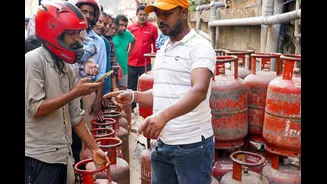
For many small-scale food vendors operating on the streets, particularly in areas like Yusuf Sarai in New Delhi, domestic LPG cylinders are a crucial lifeline. Despite the fact that their commercial use is not legally sanctioned, these smaller cylinders are often preferred due to their comparatively lower cost. However, the current crisis has extended to these domestic supplies, with vendors reporting that even these are being sold at a substantial premium, often 100-150% above their regulated price. This situation creates a dilemma for these businesses: continue operating under these inflated costs or face closure. The urgency of finding a gas cylinder, as experienced by two friends running a food stall who searched for three days only to be quoted a price of Rs 2,500—more than double their usual cost—highlights the desperate measures small vendors are forced to take. The geopolitical events in West Asia, specifically impacting critical energy chokepoints like the Strait of Hormuz, have had an immediate and profound effect on India's supply chains, reaching all the way to these roadside eateries. This disruption has effectively forced many small businesses to rely on the black market for their essential cooking fuel, pushing operational costs to unsustainable levels.
Commercial Cylinder Crisis
Commercial establishments, from sprawling restaurant chains to modest dhabas and burgeoning cloud kitchens, are facing a severe deficit in receiving LPG cylinders through official channels. The prevailing sentiment across the industry is one of profound uncertainty and a lack of clear guidance from governmental bodies. Operators are reporting instances where commercial cylinder prices, which officially stand at Rs 1,884.50 for a 19 kg cylinder, are being quoted in the black market at two to two-and-a-half times this amount in regions like Delhi-NCR. The situation is even more dire in cities such as Bengaluru, where prices have been cited as high as Rs 8,000 to Rs 9,000 per cylinder. This dramatic price hike has led to severe operational compromises. One prominent food chain, for example, was forced to shut down its Bengaluru outlet due to the prohibitive cost of securing a steady supply of LPG. In other outlets, the strategy has shifted to drastically reducing menu offerings, focusing on only the most in-demand dishes. Furthermore, discounts on food delivery platforms have been significantly curtailed as a measure to offset the soaring cylinder expenses. The daily expenditure on cylinders for such businesses has reportedly surged from a range of Rs 30,000-Rs 50,000 to approximately Rs 1 lakh. This financial strain is compounded by a 20-25% increase in packaging costs, as the prices of plastic and paper-based packaging materials have also risen.
Industry Impact & Consumer Strain
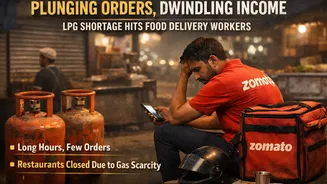
The ramifications of the LPG shortage and its black market surge extend far beyond individual eateries, impacting the entire food service ecosystem and its consumers. Industry bodies, like the National Restaurant Association of India (NRAI), have issued advisories to their members, recommending stringent fuel conservation and operational efficiency measures. They warn that ongoing geopolitical developments could further exacerbate supply chain disruptions, creating formidable challenges for restaurants nationwide. If the situation persists, the sustainability of kitchen operations within the food service sector is at serious risk. The ripple effect is evident in the delivery sector as well; a reduction in restaurant offerings translates directly to fewer orders, impacting the earnings of delivery workers. One delivery worker in Delhi reported a 20-25% decrease in earnings for the same working hours due to a noticeable dip in order volumes. Consumers are also bearing the brunt, as the increased operational costs for restaurants are inevitably passed on, leading to higher food prices. The widespread panic has also driven a surge in sales of alternative cooking appliances like induction cooktops, with e-commerce platforms reporting quadrupled sales. This trend underscores the desperation of households and businesses alike to find stable and affordable cooking solutions amidst the ongoing fuel crisis.