






Understanding Jacket Types
Winter jackets come in various styles, each designed for specific purposes and weather conditions. One primary category is parkas, known for their long
length, often extending past the hips, and excellent insulation, making them ideal for extreme cold. Another popular choice is the puffer jacket, recognized for its quilted design and insulation, typically using down or synthetic materials. These jackets are great for trapping warm air, keeping you warm in freezing temperatures. Then there are bomber jackets, offering a more sporty and streamlined look. They often feature a ribbed collar, cuffs, and hem, providing a snug fit, and are suitable for milder winter days. Finally, there are trench coats. These are more of a stylish option, offering some protection from the elements, but not as warm as parkas or puffer jackets. They are water-resistant and suitable for layered outfits. Understanding the distinct features of each type is crucial to choosing the jacket that fits your lifestyle.
Key Features to Look For
When choosing a winter jacket, several features contribute significantly to its warmth, comfort, and durability. Insulation is crucial, with options like down and synthetic fills available. Down, sourced from geese or ducks, offers exceptional warmth-to-weight ratio, but can lose its insulating properties when wet. Synthetic fills, like polyester, are more water-resistant and hypoallergenic, making them a practical choice for various conditions. The outer shell should be made of a water-resistant or waterproof fabric, like nylon or polyester, to protect you from rain and snow. Look for a jacket with a high waterproof rating (measured in millimeters) to ensure complete protection. Consider a jacket with a hood, preferably one that is adjustable and can be detached for versatility. Additional features like a high collar or a storm flap over the zipper can further protect you from wind and cold. Pockets are also essential; ample pockets, both internal and external, provide storage for your essentials. Zippers should be durable and easy to operate, even with gloves on. Pay attention to the jacket’s breathability; vents or breathable fabrics prevent overheating during physical activity.
Top Jacket Brands
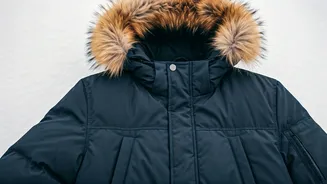
Several brands have established themselves as leaders in the winter jacket market, known for their quality, innovation, and style. The North Face is a well-regarded brand with a wide range of jackets, from lightweight options to extreme cold-weather parkas. Their products often feature advanced technologies like Gore-Tex for waterproofing and PrimaLoft for insulation. Canada Goose is a premium brand, famous for its high-performance parkas designed for harsh conditions. Their jackets use premium down and durable fabrics, and often feature fur-trimmed hoods for extra warmth. Patagonia is another excellent option, known for its commitment to sustainability. Their jackets use recycled materials and offer a balance of performance and environmental responsibility. Columbia Sportswear offers a good balance of quality and affordability. Their jackets often feature innovative technologies, like Omni-Heat for thermal reflectivity. Arc'teryx is a high-end brand known for its minimalist design and performance-driven features. Their jackets are highly technical, designed for outdoor activities in extreme conditions, appealing to enthusiasts who prioritize durability and performance.
Choosing the Right Fit
Getting the right fit is crucial for both comfort and performance. A jacket that's too tight will restrict movement, while one that's too loose won't trap heat effectively. Start by measuring your chest, waist, and sleeve length. Compare these measurements to the brand's size chart. Consider the layering you'll typically do; if you plan to wear thick sweaters or extra layers, size up accordingly. Ensure the jacket allows for free movement of your arms and shoulders. The sleeves should be long enough to cover your wrists, even when you reach forward. The hem should fall to an appropriate length, providing coverage without restricting movement. Try on the jacket with the layers you usually wear to make sure everything fits comfortably. Check for adjustable features, like a waist cinch, to customize the fit for your body shape. It's often helpful to read reviews to see how a particular jacket fits other customers.
Caring for Your Jacket
Proper care ensures your winter jacket lasts for years and maintains its performance. Always follow the care instructions on the label. Many jackets can be machine washed, but it's important to use a mild detergent specifically designed for outdoor gear. Avoid using fabric softener, as it can reduce the water repellency of the outer shell. If your jacket has down insulation, consider using a down-specific detergent to preserve the loft and warmth. When washing, zip up the jacket and empty the pockets to prevent damage. Air dry your jacket whenever possible, particularly if it has down insulation. Tumble drying on low heat may be necessary to restore loft, but check the care instructions first. To maintain the jacket's water resistance, consider applying a durable water repellent (DWR) treatment periodically. When storing the jacket, make sure it’s completely dry. Hang it in a well-ventilated area or store it in a breathable garment bag. Avoid compressing the jacket, especially if it has down insulation, which can damage the fill over time.