
Types of Trimmers
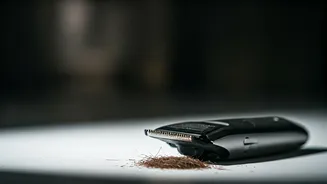
Trimmers come in a variety of styles, each designed for specific grooming needs. Beard trimmers, for instance, are precision tools for facial hair, allowing
for trimming, shaping, and detailing beards and mustaches. They typically feature adjustable combs to achieve different lengths and styles. Body groomers, on the other hand, are tailored for removing hair from the chest, back, and other body areas. These often include attachments for sensitive skin and can handle larger areas more efficiently. Hair clippers, though sometimes overlapping with trimmers, are primarily used for cutting hair on the head, offering a range of guard combs for different hair lengths. Multipurpose trimmers combine features of all types, often including attachments for nose and ear hair, offering versatility in a single device. Choosing the right type depends on your specific grooming goals and the areas you intend to focus on.
Key Features Explored
Several features distinguish top-performing trimmers. Battery life is a crucial factor, with longer run times offering more convenience, especially when traveling or using the trimmer frequently. Consider both the run time on a full charge and the charging time needed to replenish the power. Blade quality is another essential aspect; stainless steel blades are durable and maintain sharpness, ensuring a smooth and precise cut. Some trimmers also feature self-sharpening blades, adding to their longevity. Adjustable combs are indispensable, allowing you to customize hair lengths easily. Look for trimmers with a wide range of comb sizes to achieve various styles. Waterproofing is also a significant advantage, as it simplifies cleaning and allows for use in the shower. Finally, the inclusion of accessories like storage pouches, cleaning brushes, and various attachments can enhance the overall value and usability of the trimmer.
Grooming Guide: Beard
Maintaining a well-groomed beard involves more than just trimming; it requires a systematic approach. Begin by washing and drying your beard to remove any excess oils and prepare the hair for cutting. Select the appropriate guard comb length to achieve your desired beard length, starting longer and gradually decreasing until you reach the desired style. When trimming, move the trimmer in the direction of hair growth to minimize pulling and irritation. Pay close attention to the neckline and cheek lines, defining these edges neatly to achieve a sharp, professional look. Regularly use beard oil or balm to keep the beard moisturized and conditioned, promoting healthy hair growth and reducing itchiness. Consistent grooming, including trimming and conditioning, is crucial for maintaining a stylish and well-kept beard, boosting overall appearance.
Body Grooming Tips
Body grooming demands a different set of considerations compared to facial hair. For sensitive areas, choose a trimmer with skin-friendly attachments or guards to reduce the risk of nicks and irritation. Start by trimming the hair to a manageable length before shaving entirely. This initial step prevents the trimmer from getting clogged and provides a cleaner result. Always trim in the direction of hair growth to minimize irritation. After trimming or shaving, apply a soothing lotion to hydrate the skin and prevent razor burn or ingrown hairs. Regular exfoliation can also help prevent ingrown hairs. Consider the frequency of grooming based on the rate of hair growth and personal preference. Consistent body grooming ensures a comfortable and well-maintained appearance, promoting confidence and hygiene.
Head Hair Clippers
When selecting clippers for head hair, consider the length settings and the motor type. A variety of guard combs is essential for achieving different hair lengths and styles, allowing for versatility in your haircuts. The motor's power influences the clipper's ability to cut through thick hair; rotary motors are generally more powerful and suitable for professional use, while magnetic motors are suitable for home use. Always start with a longer guard and gradually decrease the length until you achieve the desired style. Maintain the clippers by regularly cleaning and lubricating the blades to ensure optimal performance. Experimenting with different lengths and styles allows you to find the perfect haircut to match your preferences and style, creating a sharp and stylish appearance.
Maintenance and Care
Proper maintenance extends the life and performance of your trimmer. Clean the trimmer after each use to remove hair clippings and debris, which can affect its functionality and efficiency. Most trimmers include a small cleaning brush for this purpose. Lubricate the blades regularly, typically after cleaning, to maintain their sharpness and reduce friction. The frequency of lubrication depends on the trimmer's usage, but following the manufacturer's recommendations is essential. Store the trimmer in a dry place to prevent moisture damage and keep it safe. Replace blades as necessary; blades lose their sharpness with time and use, so replacing them as needed ensures optimal cutting performance and reduces the risk of skin irritation. Consistent maintenance and care will help your trimmer last longer and provide you with consistent, high-quality grooming results.