






Drone Threat Neutralized
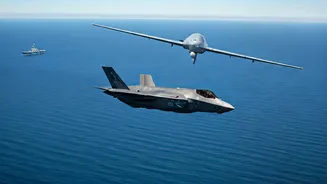
In a decisive act of self-defense, an advanced US F-35 fighter jet successfully eliminated an Iranian drone that had maneuvered aggressively towards the
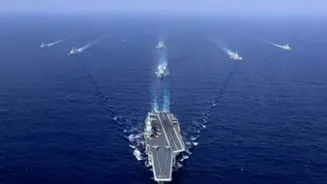
aircraft carrier USS Abraham Lincoln while it was positioned in the Arabian Sea. The unmanned Iranian craft, identified as a Shahed-139, approached the carrier in a manner deemed threatening by US military officials. Captain Tim Hawkins of US Central Command confirmed that the F-35C, operating from the Abraham Lincoln, took action to safeguard the carrier and its personnel. Fortunately, the incident concluded without any injuries to American service members or damage to US assets, underscoring the precision and effectiveness of the defensive measure taken. This event underscores the constant vigilance required by naval forces operating in strategically sensitive and potentially volatile waterways.
Geopolitical Backdrop
This aerial engagement transpired against a backdrop of complex diplomatic negotiations and significant military deployments. While diplomats were actively working towards potential nuclear talks between Iran and the United States, President Donald Trump issued a stern warning about the potential for negative outcomes if a diplomatic resolution wasn't achieved, especially with US warships strategically positioned closer to Iran. The presence of the Abraham Lincoln carrier strike group in the Middle East is part of a broader US military buildup, initiated partly in response to Iran's severe crackdown on domestic anti-government protests, which resulted in considerable casualties and drew international condemnation. Despite initially holding back from direct military intervention in Iran's internal affairs, the US, under President Trump, began demanding nuclear concessions from Tehran and reinforcing its naval presence near the Iranian coast. Reports indicated that both sides were cautiously exploring avenues for negotiation, with President Trump noting Iran's apparent willingness to engage and an Iranian official confirming that such discussions were in the preparatory stages.
Escalating Maritime Incidents
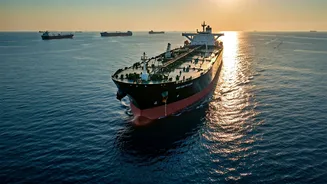
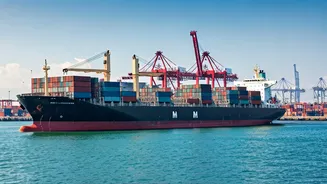
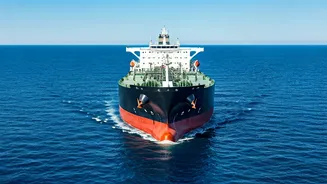
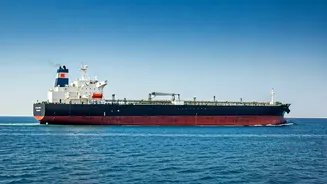
Adding to the heightened tensions, Iran's Revolutionary Guard Corps (IRGC) reportedly engaged in harassing behavior towards a US-flagged merchant vessel, the M/V Stena Imperative, in the Strait of Hormuz shortly after the drone incident. According to Captain Hawkins of US Central Command, two IRGC boats and a Mohajer drone approached the merchant ship, with indications of intent to board and seize the vessel. This maritime harassment is symptomatic of the simmering animosity that has characterized US-Iran relations for months, fueled by the stalled nuclear talks and Iran's assertive regional activities. The White House Press Secretary, Karoline Leavitt, reiterated the US stance, emphasizing that the decision to shoot down the Iranian drone was made by CENTCOM due to its aggressive and unmanned nature towards the USS Lincoln. She also reaffirmed President Trump's commitment to pursuing diplomacy, while noting that successful negotiations necessitate reciprocal effort from both parties, encapsulating the delicate balance of deterrence and dialogue in the region.