





The Fizzing Mystery
Recent events, including a tragic incident in Mumbai and a widely shared video, have brought widespread concern about watermelon safety to the forefront.
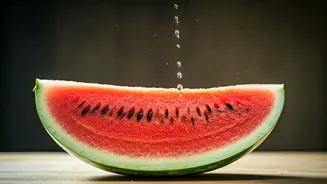
The viral footage showed bubbles emerging from a freshly cut watermelon, prompting fears of chemical injections designed to enhance color or sweetness. However, scientific consensus points towards a natural phenomenon: fermentation. When certain microorganisms encounter the natural sugars within a watermelon, they initiate a process similar to that used in brewing beer or wine, converting sugars into alcohol and releasing carbon dioxide gas. This trapped gas builds up within the sealed fruit, leading to bubbles, foam, and in severe cases, a potential rupture upon cutting. High ambient temperatures, particularly during Indian summers, significantly accelerate this natural decay process, especially when watermelons are transported without adequate refrigeration, making fermentation a common occurrence.
Chemical Fears vs. Reality
The notion of watermelons being artificially enhanced with chemicals to appear redder or sweeter has been a recurring topic on social media platforms for years. Despite these persistent claims, food scientists and agricultural specialists largely state that there is a lack of substantial scientific evidence to support this as a widespread practice. The observed bubbling or foaming in watermelons is overwhelmingly attributed to natural decomposition from the inside. This rot occurs organically, and its rate is considerably amplified by the intense heat of the summer season. Therefore, while the visual evidence might be alarming, it is far more probable that the fruit is undergoing natural fermentation rather than being deliberately adulterated.
Choosing Ripe Watermelons
Navigating the market to find a perfect watermelon requires a few key observational skills. Firstly, examine the underside of the fruit for a field spot; this is the area where the watermelon rested on the ground during its growth. A rich, dark yellow hue on this spot typically indicates ripeness, whereas a white or pale color suggests the fruit may be underripe. Secondly, when comparing two watermelons of similar size, opt for the one that feels heavier. This extra weight usually signifies a higher water and juice content, leading to a more succulent eating experience. Lastly, a gentle tap on the rind can provide further clues. A deep, resonant "dum dum" sound indicates a ripe and juicy fruit, while a high-pitched, sharp sound might suggest that the watermelon is dry or not fully mature.
Post-Cut Inspection Essentials
Once a watermelon is cut, a few simple checks can help you determine its quality and safety. Begin by assessing its aroma; a fresh watermelon should have a sweet and clean scent. Any sour, fermented, or unpleasant odor is a clear warning sign, and it is best to discard the fruit immediately, trusting your sense of smell. Next, consider the texture of the flesh. If it appears unusually soft, sticky, foam-like, or excessively watery, it's indicative that fermentation has already begun internally. Food safety experts are emphatic: a foaming watermelon is actively decaying and should not be consumed. If you observe bubbles or fizzing immediately after cutting, this also signals that the fruit is undergoing decay and is unsafe to eat. Once sliced, watermelons become more susceptible to accelerated growth of mold, yeast, and bacteria.
The Mumbai Incident Context
It is crucial to acknowledge the nuances of the specific Mumbai case involving the Dokadia family. Investigators have not definitively confirmed whether the watermelon they consumed was a victim of natural fermentation or intentional chemical adulteration. Forensic findings, such as the presence of green organs and morphine in Abdullah Dokadia's body, suggest a cause that might be more deliberate than simple food spoilage. In this particular instance, the watermelon might have served as a vector for something more sinister, rather than being the root cause itself. The final forensic science laboratory report is still pending, which may shed further light on the matter. Until definitive conclusions are reached, adopting a cautious approach—buying carefully, storing refrigerated, smelling before eating, and discarding anything that appears or smells amiss—remains the most prudent course of action.