





Ease of Operation
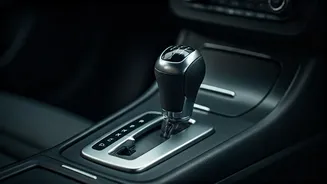
The most immediate distinction between automatic and manual transmissions lies in how they are operated. Automatic vehicles eliminate the need for a clutch
pedal and manual gear shifting, making them exceptionally user-friendly. This feature significantly reduces the physical and mental exertion involved in driving, especially in congested urban environments where constant stopping and starting are the norm. Drivers can relax and focus more on the road ahead. In contrast, manual transmissions require the driver to actively engage the clutch and select gears. This process demands more coordination and attention, particularly at lower speeds or in stop-and-go traffic, which can be a learning curve for novice drivers and can lead to fatigue during extended periods of intense driving.
Fuel Economy Insights
Historically, manual cars were often lauded for their superior fuel efficiency. However, the landscape has evolved dramatically with advancements in automatic transmission technology. Modern automatic gearboxes are now incredibly sophisticated, often rivaling or even matching the fuel economy of their manual counterparts in real-world driving conditions. While manual transmissions might still offer a slight edge in fuel conservation in some entry-level vehicles, particularly when driven with optimal technique, the efficiency gap has considerably narrowed. For many drivers, the difference in mileage between the two transmission types is now negligible, especially when considering the overall driving experience.
Cost Considerations
When it comes to the initial purchase price and ongoing maintenance, manual cars generally present a more budget-friendly option. They are typically less expensive to acquire upfront compared to their automatic counterparts. Furthermore, the maintenance and repair costs associated with manual transmissions are often lower due to their simpler mechanical design. Automatic cars, on the other hand, tend to carry a higher sticker price at the point of sale. Depending on the specific type of automatic gearbox and the nature of the repair required, servicing and fixing automatic transmissions can also incur more significant expenses. For buyers whose budget is a primary concern, a manual transmission often proves to be the more economical choice.
The Joy of Driving
For many automotive enthusiasts, the thrill of driving is intrinsically linked to the control offered by a manual transmission. The ability to dictate gear changes, connect directly with the engine's power band, and feel a more intimate engagement with the vehicle is a significant draw. This heightened sense of control and involvement is precisely why a dedicated segment of drivers continues to favor manual cars. Automatic transmissions, while prioritizing comfort and a smooth, effortless ride, offer a less interactive driving experience. They are designed for convenience and ease, providing a more passive approach to motoring rather than an engaging one.
Lifestyle Fit
The choice between automatic and manual can also be strongly influenced by an individual's daily routine and driving environment. Automatic cars are particularly well-suited for individuals who primarily navigate urban landscapes with frequent traffic congestion. Their ease of operation makes daily commutes significantly less stressful and more comfortable. They are also an excellent choice for new drivers who are still building their confidence on the road, as well as for older drivers who may prefer a simpler driving experience. Manual cars, conversely, can be a great companion for those who enjoy longer highway drives or use their vehicle less frequently, where the engagement of shifting gears can be a more enjoyable aspect of the journey.