







Prevention: The Core
The field of endocrinology, despite its advancements in diagnostics and treatments, is fundamentally rooted in the principle of prevention. Director Professor
Vivek Lal of PGIMER powerfully articulated this sentiment, drawing from personal experience to underscore that lifestyle changes can indeed lead to the reversal of many diseases. This perspective champions preventive healthcare and robust physical fitness not merely as supplementary advice, but as the bedrock of effective medical practice. In an era where non-communicable diseases, particularly diabetes, are on a steep upward trajectory, adopting a proactive approach to health becomes critically important. The focus is shifting towards empowering individuals with the knowledge and tools to maintain well-being before conditions manifest, thereby reducing the strain on healthcare systems and improving overall public health outcomes. This emphasis on foresight and personal responsibility is key to navigating the complexities of modern health challenges.
Lifestyle's Transformative Power
Professor Vivek Lal's personal insights illuminate the profound impact that deliberate lifestyle modifications can have on health, even to the point of reversing existing conditions. This viewpoint elevates physical fitness and preventative health strategies to the forefront of medical recommendations. It suggests that the first and most potent 'prescription' doctors can offer often involves changes to daily habits, diet, and exercise. This approach is particularly relevant for endocrine disorders, many of which are closely linked to lifestyle factors. By encouraging individuals to adopt healthier routines, the aim is to foster resilience against diseases like diabetes, which are increasingly prevalent. This philosophy seeks to shift the paradigm from reactive treatment to proactive wellness, empowering patients to take control of their health and build a foundation for long-term well-being, thereby reducing the incidence and severity of endocrine-related ailments.
Expertise in Endocrinology
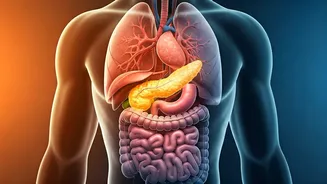
The Department of Endocrinology at PGIMER has been recognized for its exceptional service, managing a considerable volume of intricate cases with commendable efficiency. The recent inauguration of the third Rastogi–Dash Clinical Case Conference underscores the department's commitment to advancing the field. This conference, focusing on Gastro-Entero-Pancreatic Neuroendocrine Tumours (GEP-NETs), brings together leading national and international experts to discuss complex cases and the latest research. The theme reflects the increasing complexity and diagnostic challenges within this specialized area of endocrinology. Furthermore, the department's dedication to research excellence is evidenced by a substantial Rs 200-crore extramural grant received for initiatives, with a significant Rs 50 crore allocated specifically to endocrine research, highlighting its role in pushing the boundaries of scientific discovery in this domain.
Rising Diabetes Concerns
A disquieting trend has emerged regarding diabetes diagnoses, particularly in Chandigarh, with an increasing number of younger individuals, including teenagers, being affected by Type 2 diabetes. This condition, traditionally associated with middle-aged and older adults, is now presenting serious public health concerns due to its early onset in younger demographics. Data from PGIMER indicates that approximately 20 individuals aged 18 years or younger have been diagnosed with diabetes over the past eighteen months, comprising both male and female patients. Additionally, eight cases have been identified in the 19–44 age group, which is also considered unusually young for such diagnoses. This shift underscores the growing need for targeted public health interventions and awareness campaigns to address the escalating prevalence of diabetes across all age segments.