




The Auspicious Kanni Ritual
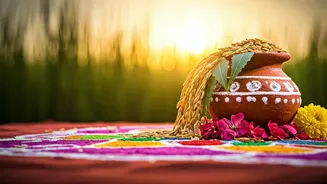
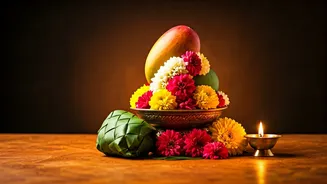
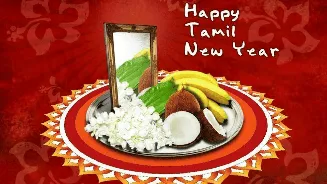
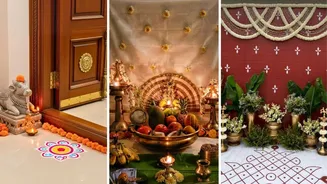
The Kanni ritual, a cornerstone of Puthandu, signifies the first, most auspicious sight upon waking on New Year's Day. This practice, deeply rooted in Tamil
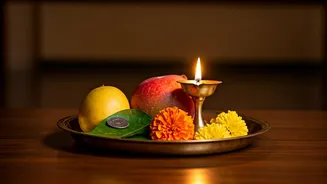
tradition, aims to set a positive and prosperous tone for the entire year. Families meticulously prepare a 'Kanni' arrangement the night before, ensuring it's the very first thing they behold as they greet the new dawn. Typically, this sacred tray or basket is laden with items symbolising abundance and good fortune. Common elements include fresh fruits, vibrant flowers, betel leaves, a scattering of uncooked rice, cherished pieces of jewellery, gleaming coins, a reflective mirror, and importantly, the Panchangam, the Hindu almanac. The idea is that gazing upon these symbols of wealth, purity, and divine wisdom will invite similar blessings throughout the coming year, making the Kanni ritual a profound act of hopeful anticipation.
Date and Auspicious Times
In 2026, Puthandu, the Tamil New Year, will dawn on Tuesday, April 14th. This significant day aligns perfectly with the Sun's celestial transit into Mesha Rashi (Aries), marking the commencement of the Tamil solar calendar. The spiritually potent Sankranti moment, when this transition is considered most impactful, is precisely at 9:39 AM. While this specific time holds deep significance, the broader morning hours, from approximately 6:00 AM to 10:00 AM, are widely regarded as auspicious for performing key religious observances, according to traditional festival calendars. Many devout followers prefer to complete their most important prayers and rituals in the early hours after sunrise, capitalising on the fresh energy and sanctity of the dawn.
Home Preparations and Decor
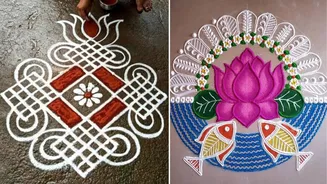
The spirit of Puthandu begins to infuse homes well before the actual day, with extensive cleaning and decorating efforts undertaken the day prior. This thorough cleansing of the living space is symbolic, representing the purging of any lingering negativity from the past year and creating a welcoming atmosphere for new, positive energies. Elaborate 'torans' made of fresh mango leaves are hung across doorways, believed to ward off ill fortune and invite prosperity. Outside the homes, intricate and beautiful 'kolam' designs, often crafted from rice flour, are meticulously drawn on the ground. These artistic patterns are not just decorative; they are considered sacred symbols intended to draw in good luck, happiness, and the benevolent blessings of the divine into the household.
Temple Visits and Prayers
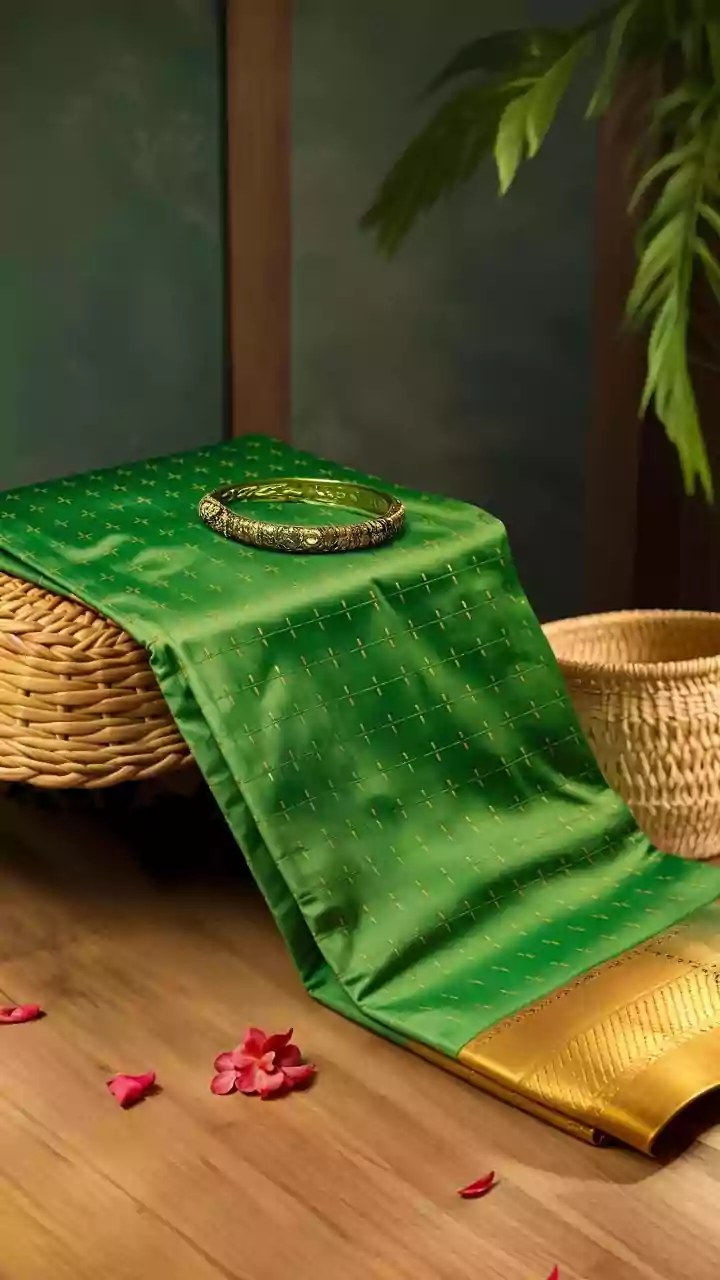
A vital component of the Puthandu festivities involves making pilgrimages to temples. Devotees rise early on this auspicious day, perform a ritualistic holy bath, and don new attire as a mark of respect and renewal. The primary objective is to offer prayers to the deities, seeking divine guidance and blessings for a year filled with prosperity and well-being. Many prominent temples across Tamil Nadu host special 'pujas' (worship ceremonies) and 'abhishekams' (ritual bathing of idols) throughout Puthandu, drawing vast congregations of worshippers seeking spiritual solace and auspicious beginnings. Concurrently, families also conduct prayers within their homes, initiating the day's celebrations with sacred rituals before venturing into festive activities.
Reading the Panchangam
Another deeply ingrained tradition of Puthandu is the ceremonial reading of the Panchangam, the ancient Hindu almanac. This sacred text provides crucial astrological insights, forecasts, and highlights significant dates and auspicious timings for the entire year ahead. Typically, elders within the family or designated priests undertake the task of reading the new year's Panchangam aloud. They share the year's predictions concerning vital aspects such as economic prosperity, anticipated rainfall patterns, agricultural prospects, and the influence of celestial bodies. This ritual fosters a sense of shared hope and collective anticipation for the fortunes and challenges that the upcoming year might bring.
The Festive Feast
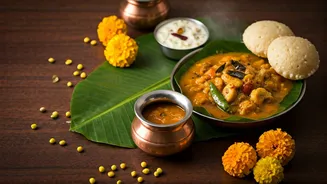
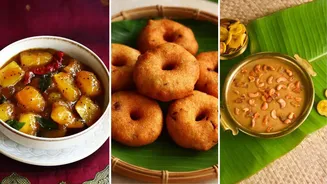
No Puthandu celebration would be complete without a lavish feast, traditionally served on fresh, wide banana leaves, adding to the cultural authenticity. Central to this culinary spread is the symbolic 'Mango Pachadi'. This unique dish is a delightful concoction of raw mango, sweet jaggery, slightly bitter neem flowers, and tangy tamarind, expertly balancing sweet, sour, and bitter flavours. It serves as a profound metaphor for life itself, representing the diverse range of emotions and experiences one might encounter, and encouraging an attitude of acceptance towards all. Alongside this signature dish, the festive table is adorned with other beloved South Indian delicacies such as flavourful sambar, crispy vada, sweet payasam, a medley of vegetables in aviyal, and crunchy appalam.
Seeking Elder's Blessings
As the day's spiritual and culinary celebrations draw to a close, a touching tradition unfolds: younger family members seek the blessings of their elders. This is respectfully done by touching the feet of their seniors. In return, the elders bestow their blessings, often accompanied by gifts, financial tokens, or heartfelt wishes for a prosperous and happy year ahead. This beautiful custom serves to strengthen the intricate fabric of family bonds and deeply embeds the spirit of gratitude, respect, and love that is so central to the essence of Puthandu.