




Speedy Sojourn Unveiled
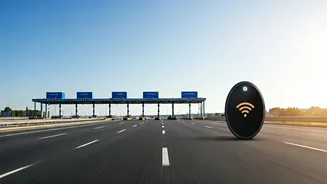
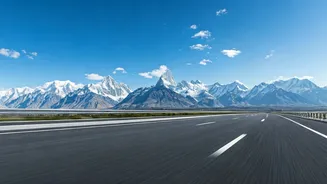
The landscape of travel between India's capital and the picturesque town of Dehradun has undergone a dramatic transformation. A newly inaugurated expressway
now connects these two destinations, drastically reducing the previously arduous journey. What once consumed around six hours of driving has been compressed into an astonishingly short travel window of approximately two hours and fifty-five minutes. This enhanced connectivity prioritizes commuter convenience and the crucial element of speed, allowing travelers to reach their destination with unprecedented efficiency. This impressive feat of engineering promises to redefine the 'long drive' into a mere short sprint, opening up new possibilities for weekend getaways and regular commutes alike.
Fare Reductions Galore
Accompanying the significant reduction in travel duration, commuters are also set to benefit from substantial fare adjustments on public transport. The Uttarakhand Transport Corporation (UTC) has implemented considerable price drops across its various bus services, acknowledging the decreased fuel consumption and shorter distances now involved. For those opting for premium Volvo services, the ticket price has been reduced from Rs 945 to Rs 709, marking a saving of Rs 236. Travelers preferring AC class will now pay Rs 557 instead of the previous Rs 704, a saving of Rs 147. Even the ordinary bus services have seen a fare decrease, dropping from Rs 420 to Rs 355, offering a saving of Rs 65. These fare adjustments make the journey more economically viable for a wider range of travelers.
Engineering Marvels Detailed
The Delhi-Dehradun Expressway is more than just a conduit for rapid transit; it stands as a testament to modern engineering ingenuity. Designed to facilitate speeds of up to 100 km/h, this ambitious project stretches across a considerable expanse, featuring between 6 to 12 lanes depending on the specific segment. Its origins can be traced from Akshardham in Delhi, winding its way through towns like Loni, Baghpat, Baraut, Shamli, and Saharanpur, before ultimately reaching Dehradun. A crucial addition is a dedicated 50.7 km side stretch that significantly slashes travel time to Haridwar, enabling access within just two hours from Delhi. Furthermore, the expressway incorporates a remarkable 12 km overhead bridge, recognized as the longest wildlife corridor in Asia, strategically designed to traverse the Rajaji National Park and ensure the safe passage of its inhabitants.