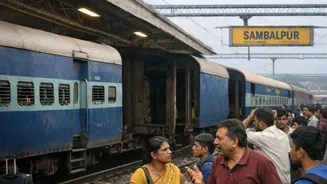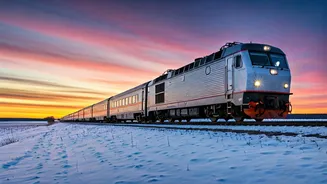

Setting the Stage
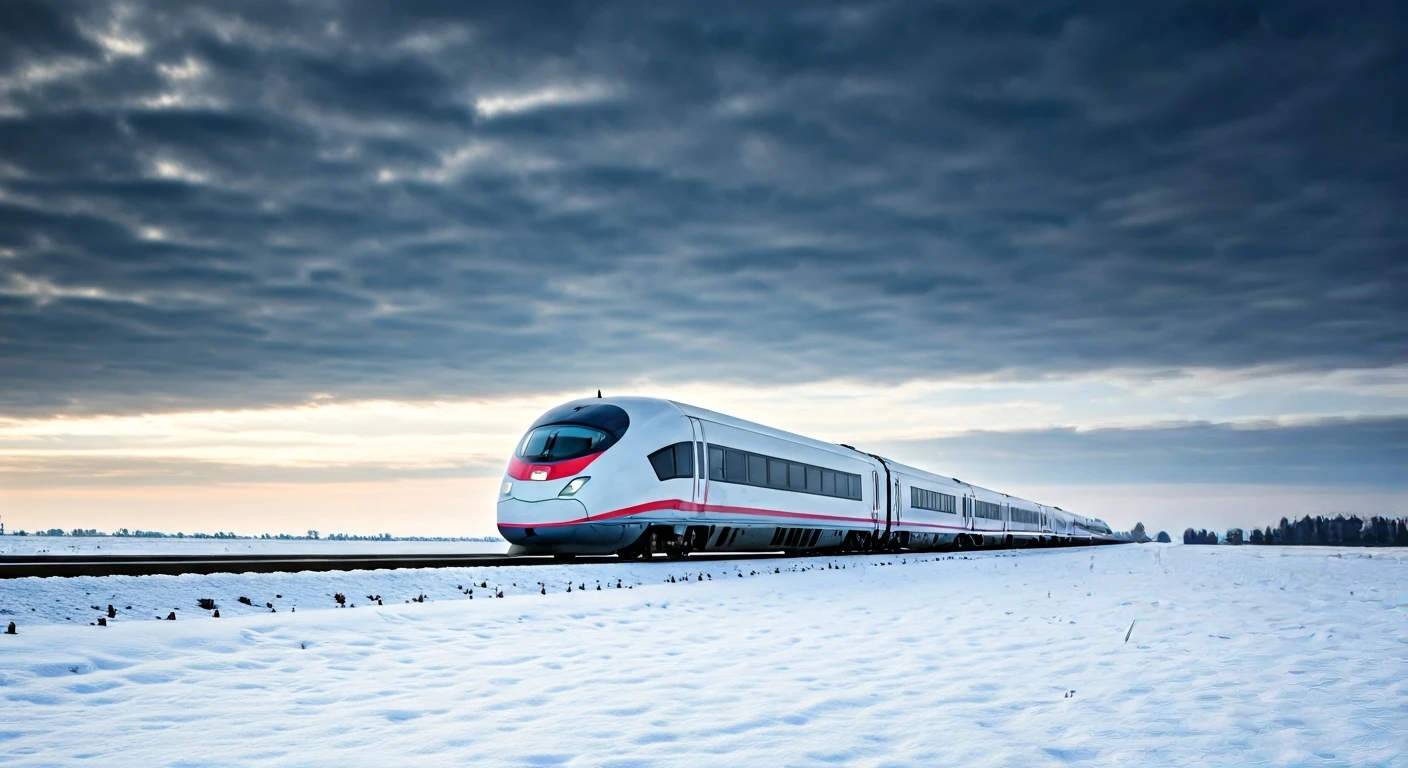
The realm of international travel has a new benchmark: the world's longest train journey. This isn't your average weekend getaway; it's a three-week odyssey,
an amazing rail experience that transcends borders and offers a deep dive into numerous cultures and environments. The sheer scale is impressive, going through no less than 13 different countries, offering a stunning array of vistas and encounters, and totaling over 11,000 kilometers of tracks. This journey is more than just a means of getting from one location to another; it's a deep immersion into the world, offering glimpses into the rhythm of many societies while unveiling breathtaking landscapes that shift with every passing mile. It's a reminder of the amazing accomplishments of engineering and human adaptability, proving that the spirit of exploration and adventure is alive and well.
Route and Duration
This incredible train trip lasts for 21 days, a length that's necessary to navigate the vast distances and varied landscapes. The journey's duration offers a pace of travel that encourages reflection, permitting travelers to genuinely soak in the sensations and surroundings, rather than simply rushing between locations. The path itself is a testament to the marvel of international cooperation and infrastructure. Traversing 13 nations is not only a logistical feat but also a showcase of the diverse railway systems and governance structures that the train has to negotiate. The route's specifics are not mentioned in this article, but the variety of countries crossed means that travelers encounter a kaleidoscope of landscapes, from dense cityscapes to isolated countryside, and from vast deserts to imposing mountain ranges. Each segment of the journey has its own unique character, providing a tapestry of experiences as rich and varied as the countries it goes through.
Journey's Immersion
This train journey isn't just about reaching a destination; it's a comprehensive cultural experience. The ability to explore various countries by train allows for intimate interactions and meaningful observations. Unlike flying, the train gives travellers a chance to see the gradual shifts in the landscape and society, from bustling urban hubs to peaceful rural villages. The slow pace encourages a sense of engagement, enabling passengers to connect with locals and appreciate the nuances of regional cultures. Food, traditions, and the languages differ with each passing border, forming a richer experience. The shared experience on the train also cultivates a feeling of companionship among passengers, connecting strangers from different backgrounds through a shared adventure. This adventure fosters cross-cultural understanding and broadens perspectives, making it more than a travel trip but an educational experience.
Energy Security Context
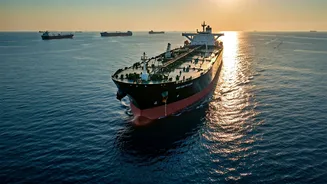
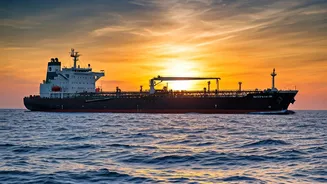
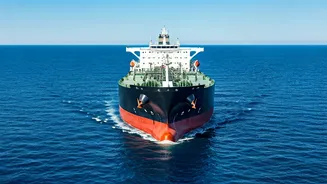
Although the article is mainly about the train journey, it also briefly mentions the Strait of Hormuz. This is a crucial chokepoint for the global energy market. The Strait's importance lies in its status as a critical transit route for oil and other energy products, with large percentages of the global oil trade passing through its waters. This significance is due to its strategic position between the Persian Gulf and the Gulf of Oman, making it a critical junction for global trade. Disruptions in the Strait of Hormuz, whether due to political instability, military conflict, or accidents, can have far-reaching effects on the global economy. This includes increased energy prices, supply chain interruptions, and even geopolitical tension. Therefore, keeping the Strait of Hormuz open and safe is important to maintain the world's energy security and economic stability, reflecting the interlinked nature of modern global systems.