



Understanding Maha Shivaratri
Maha Shivaratri stands as one of the most significant festivals for devotees of Lord Shiva, celebrated with deep reverence, rigorous fasting, and continuous
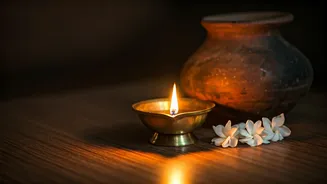
prayers throughout the night. This auspicious occasion, coinciding with the 14th day of the dark lunar fortnight in the Phalguna or Magha month, just before the new moon, marks a time of intense spiritual devotion. While the naming of the lunar month might vary between North and South India, the fervor and rituals remain universally consistent. In 2026, Maha Shivaratri is set to be observed on February 16th, transforming temples and homes into vibrant spaces filled with devotional chants, illuminated lamps, and offerings dedicated to Lord Shiva and Goddess Parvati. Devotees often commence their spiritual preparations a day prior, consuming a simple meal and cultivating a serene state of mind to embrace the sacred day ahead. The morning of Shivaratri involves an early ritualistic bath, followed by adorning clean or new attire before commencing prayers, underscoring the purity and sanctity associated with the festival.
Fasting Etiquette and Practices
Observing Maha Shivaratri often involves undertaking a 'nirjala vrat,' a stringent fast where even water intake is abstained from, reflecting profound dedication. For those who prefer a more manageable observance, a modified fast allows for consumption of specific, permitted foods. The night of Maha Shivaratri carries immense spiritual weight, with many devotees choosing to remain awake to perform the Shiva puja. This puja can be performed once during the night, or for those following a more elaborate tradition, it might be conducted across four distinct periods throughout the night. Waking early, performing a cleansing bath, and adorning oneself in fresh garments are traditional preludes to the day's prayers, setting a tone of purity and readiness for spiritual communion. The entire fast is a testament to devotion, aimed at drawing closer to the divine through disciplined practice and fervent worship.
Dietary Guidelines: Eat and Avoid
During the Maha Shivaratri fast, the emphasis is on consuming 'satvik' foods, which are believed to be pure and conducive to spiritual practices. This typically includes a variety of fruits, milk, yogurt, and paneer (Indian cottage cheese). Certain root vegetables, such as potatoes and sweet potatoes, are also permissible. These food choices are intended to maintain a light and pure state of the body, enhancing the devotee's connection during worship. Conversely, several food items are to be strictly avoided. Grains and legumes, including rice, wheat, dal, and pulses, are generally excluded from the diet. While coconut can be offered to Lord Shiva, its water is not to be used as part of the ritualistic offerings. Furthermore, consuming food that has previously been offered to the deity is considered inauspicious. Excessive consumption of tea or coffee is discouraged due to their dehydrating effects. During the puja, sandalwood paste is preferred over kumkum. Additionally, flowers like kevada and champa are traditionally not offered to Lord Shiva, as they are deemed unsuitable for his worship.
Sacred Timings: Parana
The observance of Maha Shivaratri is meticulously guided by specific timings, particularly for the 'Parana,' the period when devotees can break their fast. According to Drik Panchang, the Nishita Kaal Puja, a significant part of the night-long worship, is scheduled to commence at 12:09 AM on February 16 and conclude at 01:01 AM. The Chaturdashi Tithi, the lunar day associated with the festival, begins on February 15 at 05:04 PM and extends until February 16 at 05:34 PM. The sacred window for breaking the fast, known as the Parana time, is from 06:59 AM to 03:24 PM on February 16. Devotees adhere strictly to these timings, integrating them into their prayer rituals to ensure the completion of their fast and observances with utmost devotion and spiritual integrity.