







The Hydration Advantage
Many individuals striving to shed excess weight diligently focus on diet modifications and exercise routines, often overlooking a fundamental yet powerful
tool: water. Consider the case of a busy professional who, despite consistent efforts in diet and fitness, found his weight loss plateauing. Upon closer examination of his daily habits, it became evident that his fluid intake was significantly lacking, with a preference for coffee and sweetened beverages over plain water. A simple intervention, increasing daily water consumption to around 2-2.5 liters and adopting the habit of drinking water before meals, yielded remarkable results. Within weeks, he experienced a reduction in cravings, improved digestion, and enhanced workout energy, all contributing to a renewed progress in his weight loss journey. This scenario underscores that while diet and exercise are paramount, adequate hydration plays an indispensable supporting role in optimizing bodily functions and managing appetite effectively.
Water and Appetite Control
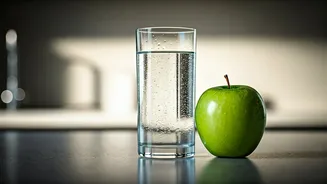
A critical yet frequently disregarded aspect of weight management is proper hydration, which profoundly influences appetite regulation. Often, feelings of thirst can be misconstrued as hunger pangs, leading to the consumption of unnecessary calories through snacking or overeating. Implementing a simple practice of drinking a glass of water prior to meals can significantly induce a sense of satiety. This sensation of fullness helps individuals manage their portion sizes more effectively, thereby reducing overall daily calorie intake without necessitating drastic dietary overhauls. For those actively pursuing weight loss goals, this uncomplicated habit offers a straightforward pathway to calorie reduction and better control over eating impulses.
Boosting Your Metabolism
The role of water extends beyond mere refreshment; it is integral to the body's metabolic processes, particularly concerning digestion and fat utilization. Water facilitates the breakdown of food within the stomach and intestines, ensuring that vital nutrients are efficiently absorbed by the body. Maintaining optimal hydration levels keeps the digestive system operating smoothly, helping to prevent common discomforts like bloating, sluggishness, and constipation. Furthermore, adequate water intake supports lipolysis, the essential process where the body mobilizes stored fat reserves for energy production. While drinking water in isolation doesn't directly trigger fat loss, dehydration can notably impede the efficiency of this metabolic pathway, slowing down the body's ability to burn fat.
Enhancing Exercise Performance
Physical activity demands optimal bodily function, and dehydration can significantly undermine performance, leading to detrimental effects such as fatigue, muscle cramps, and a diminished capacity for sustained endurance. Consuming sufficient water, especially when chilled, can offer a temporary boost to resting energy expenditure as the body expends calories to warm the ingested water to its core temperature. Beyond this thermogenic effect, staying well-hydrated is crucial for maintaining energy levels throughout workouts, ensuring muscles perform at their peak, and facilitating a more efficient recovery process post-exercise. It empowers individuals to push their limits and achieve better fitness outcomes.
Smart Beverage Swaps
A practical and impactful strategy for supporting weight loss and overall health is to consciously reduce the consumption of sugary and artificially sweetened beverages. These drinks often contribute a significant amount of empty calories to one's diet and can, paradoxically, stimulate further cravings for unhealthy foods. By opting for water, naturally infused water, or unsweetened herbal teas, individuals can drastically cut down on their daily caloric intake. This simple substitution not only supports weight management goals but also cultivates more beneficial and sustainable healthy eating habits, paving the way for long-term well-being.