





A Leisurely Pace
While India races towards high-speed rail, a different kind of magic unfolds on the Nilgiri Mountain Railway. This iconic train, renowned as the country's
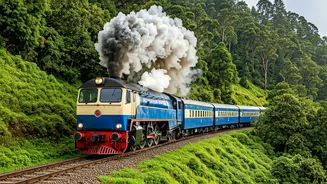
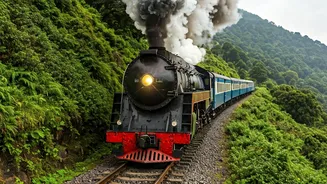
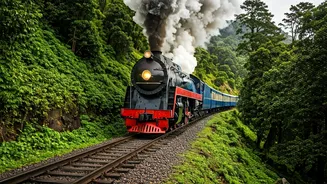
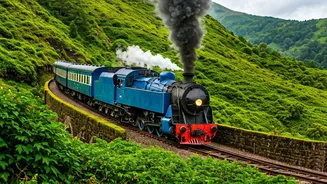
slowest, meanders through the picturesque Nilgiri Hills at an average speed of just 9 kilometers per hour. The entire 46-kilometer journey from Mettupalayam to Ooty unfolds over nearly five hours, a duration that invites passengers to truly absorb their surroundings. This deliberate slowness isn't a flaw but the very essence of its appeal, transforming the commute into an immersive experience. Travelers often find themselves so captivated by the scenery they might jest about stepping off for a photo and rejoining before the train even clears the frame. It's a journey designed to be savored, offering a refreshing antidote to the hurried pace of modern life and highlighting the beauty of slow travel.
Engineering Marvels
The Nilgiri Mountain Railway's unhurried progress is a testament to its remarkable engineering, specifically designed to navigate the challenging terrain of the Nilgiri Hills. The route features an intricate network of sharp curves, some exceeding 200 in number, and steep gradients that necessitate careful and slow movement. To conquer these inclines, the train employs a special rack-and-pinion system on uphill sections, a crucial element for maintaining traction and control. This engineering feat is further accentuated by the presence of approximately 16 tunnels and over 250 bridges that punctuate the journey, creating a dynamic and varied passage. The narrow tracks themselves are a deliberate choice for mountain travel, ensuring the train can hug the contours of the landscape. These elements, combined with the breathtaking scenery of thick forests, cascading waterfalls, and vibrant tea estates, make the railway a celebrated example of heritage engineering.
UNESCO Heritage Status
Recognized for its exceptional historical and engineering significance, the Nilgiri Mountain Railway proudly holds a UNESCO World Heritage tag as part of the Mountain Railways of India network. This esteemed designation acknowledges its status as one of the finest surviving examples of mountain railway construction in the country. Established in the early 1900s, the railway has retained much of its original charm and functionality, serving as a living museum of railway history. The route is a visual spectacle, passing through a diverse range of landscapes that include dense woodlands, dramatic waterfalls, and meticulously cultivated tea plantations. The sheer number of tunnels and bridges, coupled with the numerous sharp turns, underscores the ingenuity required to lay this track through such challenging topography. Its heritage status draws visitors from across the globe, eager to experience this unique blend of natural beauty and historical railway achievement.
Timeless Appeal
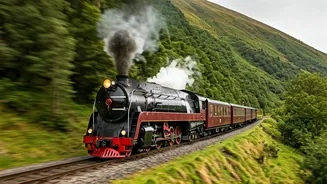
Beyond its engineering and heritage, the Nilgiri Mountain Railway endures as a beloved travel experience for numerous compelling reasons. Many travelers opt for the train over faster road alternatives because of the journey itself, which offers unparalleled views of the majestic Western Ghats. The vintage wooden coaches add a layer of nostalgic charm, transporting passengers back to a bygone era of travel. This slow-paced expedition through largely untouched natural landscapes provides a serene escape from the clamor of urban life, offering a chance to reconnect with nature. The romantic allure of the train was further amplified by its appearance in the iconic Bollywood song 'Chaiyya Chaiyya' from the film 'Dil Se.' Filmed dynamically atop the moving train, this sequence introduced the Nilgiri Mountain Railway to a global audience, cementing its legendary status and encouraging countless visitors to embark on this memorable adventure.
Planning Your Ride
To fully appreciate the magic of the Nilgiri Mountain Railway, strategic planning is key. The ideal window for this scenic journey is between October and June, a period when the weather typically remains pleasant, offering clear vistas of the surrounding mountains. While the monsoon season, from June to September, transforms the landscape into a lush, verdant spectacle often shrouded in dramatic mists, it can also bring heavy rainfall that occasionally causes travel delays. The adventure commences from Mettupalayam, a town conveniently accessible via various modes of transport. For air travelers, the nearest airport is Coimbatore International Airport. Mettupalayam is well-connected by rail through Coimbatore, linking it to major railway networks across India. Road access is also straightforward, with easy connections from Coimbatore and other neighboring hill stations. Ensuring you begin your journey from Mettupalayam sets the stage for an unforgettable, slow-paced exploration of the Nilgiri Hills.