








The Bubble Mystery
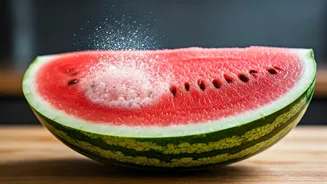
Recent events in Mumbai have brought the safety of watermelons under scrutiny, amplified by a viral video showing fizzing fruit. Many assume these bubbles
indicate harmful chemical injections aimed at enhancing color or sweetness. However, food science experts largely attribute this effervescence to a natural process called fermentation. When microorganisms, commonly found in fruits, interact with the natural sugars present in a watermelon, they initiate a process similar to that used in making alcoholic beverages. This conversion of sugar generates carbon dioxide gas. In the confined space of a watermelon, this gas can build up, leading to the visible bubbles and foam observed, especially when the fruit is cut. Elevated summer temperatures significantly accelerate this natural decay, making it a more common occurrence during warmer months, particularly when fruits travel long distances without consistent cooling.
Chemical Injection Fears
While social media has frequently raised concerns about watermelons being injected with chemicals to boost their redness or sweetness, agricultural experts and food scientists generally find little evidence to support this as a widespread practice. The prevalence of bubbly or foaming watermelons is more likely due to natural spoilage processes occurring rapidly in the heat. These incidents highlight that what might appear alarming is often simply the fruit undergoing natural fermentation and decay, especially under high summer temperatures. The focus, therefore, should be on understanding these natural processes rather than succumbing to unverified claims of widespread chemical adulteration, which lack significant scientific backing.
Selecting a Ripe Melon
Choosing a good watermelon at the market involves a few key indicators. Firstly, examine the underside of the melon for a field spot; a deep yellow hue signifies that the watermelon ripened sufficiently while resting on the ground, indicating maturity. A white or pale spot suggests it was picked too soon. Secondly, for two watermelons of similar size, opt for the heavier one. This increased weight typically correlates with higher water and juice content, promising a more succulent fruit. Lastly, gently tap the melon. A resonant, hollow 'dum dum' sound is a strong sign of ripeness and juiciness. Conversely, a thin, sharp sound might indicate that the watermelon is dry or not fully ripe. These simple checks can significantly improve your chances of selecting a delicious and refreshing watermelon.
Post-Cutting Checks
Once you've cut open a watermelon, a few additional steps can help ensure its safety for consumption. The first and most crucial check is the smell. A fresh watermelon should emit a sweet, clean aroma. Any scent that is sour, fermented, or otherwise unpleasant is a clear warning sign; in such cases, it is best to discard the fruit without hesitation. Next, assess the texture of the flesh. If it appears unusually soft, sticky, foamy, or excessively watery, it suggests that fermentation has already advanced significantly within the melon. Food safety authorities strongly advise against consuming watermelons that exhibit foamy flesh, as this indicates spoilage. The presence of bubbles or fizzing immediately after slicing is also a definitive reason not to eat it, as these signs, especially after the fruit has been opened, point towards accelerated decay and potential contamination.
Mumbai Case Nuances
The tragic deaths in Mumbai have left many questions unanswered, particularly regarding the specific cause related to the watermelon consumed by the Dokadia family. It is vital to note that investigators have not definitively confirmed whether the watermelon involved was a victim of natural fermentation or deliberate chemical adulteration. Initial forensic findings, including unusual organ conditions and the presence of morphine in one individual's body, lean away from simple food spoilage. These elements suggest that the watermelon may have served as a conduit for something more malicious, rather than being the primary culprit itself. The final forensic science laboratory report is still pending, which will hopefully shed more light on the exact circumstances. Until then, a cautious approach remains advisable: buy produce with care, store it properly in refrigeration, always smell it before consumption, and discard anything that appears or smells unusual.