



Scalp Tightness Warning Signs
Samantha Ruth Prabhu, a prominent figure in the Indian film industry, recently shared a personal hair care revelation that has resonated with many. She
explained that she's come to understand that a persistently tight scalp isn't a sign of good hair health, but rather an indicator that the hair is not being adequately cared for. The moment she perceives this tightness, it serves as a prompt for her to indulge in an oil massage and conditioning treatment. This proactive approach highlights a shift in her understanding of hair maintenance, moving beyond mere aesthetics to focus on the underlying scalp health. This personal insight underscores the importance of listening to our bodies and recognizing subtle signals that our hair and scalp might be sending us, especially concerning the strain from styling habits.
Dangers of Tight Styles
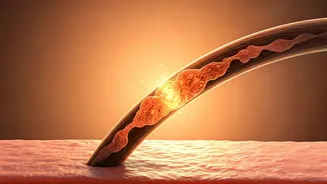
Experts caution that everyday hairstyling choices can significantly impact the health of our hair and scalp. Tying hair too tightly, particularly when it's damp or naturally fragile, escalates the risk of breakage and places undue stress on the hair follicles. Dr. Ajay Dodeja, a dermatology consultant, warns that prolonged adherence to such practices can transform reversible hair loss conditions, like traction alopecia, into permanent hair loss due to the irreparable damage and scarring of the follicles. Dr. Aniket Mule, an internal medicine consultant, elaborates that hairstyles such as high ponytails, tight buns, and intricate braids exert constant pressure on the hair roots and scalp. This continuous tension not only affects appearance but can also render the scalp sensitive and lead to a feeling of discomfort.
Recognizing Early Symptoms
Dr. Aniket Mule points out that individuals might initially notice subtle indicators of scalp distress caused by tight hairstyles. These can include a general soreness of the scalp, persistent headaches, or the appearance of small bumps around the hair follicles. These symptoms are early warnings that the scalp is under strain. If the habit of wearing tight hairstyles persists, these initial signs can escalate to weakening the hair roots, potentially leading to gradual and, in some cases, permanent hair loss in the affected areas. Dr. Mule emphasizes that the sooner these warning signs are identified and addressed, the greater the likelihood of reversing the damage and preventing long-term consequences for hair health.
The 'Ponytail Headache' Phenomenon
The persistent pulling and tension associated with tight hairstyles can manifest in a specific type of discomfort often referred to as a 'ponytail headache.' This condition arises from the long-term strain placed on the scalp's nerves and connective tissues. According to Dr. Mule, this constant tugging can result in a dull ache or general discomfort, particularly for individuals who are already predisposed to headaches or possess a sensitive scalp. It's a clear indication that the scalp's delicate structures are being overstressed by the styling choices, highlighting the need for more relaxed hair arrangements to maintain comfort and prevent such ailments.
Healthier Styling Alternatives
Fortunately, adopting healthier hair practices is achievable through simple yet effective changes in styling. Dr. Dodeja suggests that choosing looser hairstyles is a fundamental step in protecting hair health. Beyond this, he recommends avoiding excessive and consistent tension in the same areas of the scalp, varying the hair parting regularly, and crucially, allowing the scalp to have regular breaks from any restrictive styles. Utilizing soft hair ties instead of elastic bands and minimizing prolonged periods of tension are also beneficial practices. These adjustments aim to keep hair follicles in a healthier state and reduce the stress that tight styles impose, promoting overall hair well-being.
Balancing Aesthetics and Health
While sleek, tightly pulled-back hairstyles can be aesthetically appealing, their frequent use can lead to avoidable issues such as hair thinning and scalp discomfort. The key, as highlighted by experts, is to prioritize hair and scalp health without entirely sacrificing personal style. Opting for gentler, less constricting styles on a regular basis is paramount. Furthermore, paying close attention to the early warning signs, such as scalp pain or tightness, can significantly contribute to maintaining both the health of one's hair and overall comfort. By consciously choosing styles that do not inflict undue stress, individuals can effectively preserve their hair's vitality and avoid potential problems.