






Temples: Cultural Pillars
Ancient temples in India stand as enduring symbols of the country's rich cultural and spiritual heritage. For millennia, these structures have served as vibrant
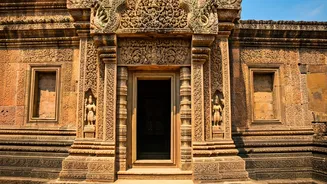
centers of religious, artistic, and social life. They aren't simply places of worship but also repositories of knowledge, art, and history, reflecting the diverse beliefs and practices of various communities. The architecture itself provides a fascinating window into the past, with intricate carvings, stunning sculptures, and innovative designs that showcase the skills and vision of ancient artisans. From the majestic Dravida style of the South to the intricate Nagara style of the North, each temple tells a unique story, offering invaluable insights into the history of the region. Many temples are closely linked with mythological tales and legends, with the deities enshrined within often becoming central figures in local traditions and festivals. Exploring these temples allows one to understand the evolution of Indian society, the impact of various empires, and the unwavering devotion of generations.
Architectural Marvels Revealed
The architectural diversity of ancient Indian temples is truly awe-inspiring. These structures are not only places of worship but also showcase the architectural prowess of the periods in which they were constructed. The intricate designs, detailed carvings, and innovative construction techniques are evidence of the advanced engineering and artistic skills of ancient Indian craftsmen. The temples also reflect a fusion of various artistic styles, revealing cultural exchange and influences throughout history. The Dravidian style, prominent in South India, features towering gopurams (gateways) and complex layouts. Conversely, the Nagara style, found in North India, often includes curvilinear towers and elaborate ornamentation. Each temple is a unique piece of art, employing different materials, from stone to brick. The designs incorporate symbolic representations, reflecting the cosmological beliefs of the time. The meticulous attention to detail in every aspect of the temple's construction, from the placement of the pillars to the arrangement of the sculptures, demonstrates an understanding of geometry, aesthetics, and sacred geometry. These temples are testament to the ability to harmonize art, architecture, and spirituality into a unified whole, that continues to awe those who encounter them today.
Spiritual Significance Explored
Beyond their architectural beauty, ancient temples in India hold profound spiritual significance. They act as gateways to connect with the divine, and the spiritual atmosphere creates a sacred space for devotion and reflection. Temples are centers of rituals, prayers, and festivals, providing a sense of community and shared faith. The deities enshrined within these temples are often the focus of intense devotion, and the daily rituals and offerings are performed with utmost reverence. Pilgrims visit these temples in search of blessings, seeking spiritual solace, and gaining a connection with their faith. These temples are also associated with various mythological stories and legends that add depth to the spiritual experience, fostering a deep sense of connection between devotees and the divine. The rituals and ceremonies performed within the temples have spiritual significance, reinforcing the moral values and cultural traditions. The experience can be transformative, encouraging introspection, self-discovery, and a deeper understanding of one's place in the world. The temples continue to be places of spiritual nourishment, offering a path to inner peace and enlightenment.
Important Temple Examples
India is home to a vast array of ancient temples, each with its unique characteristics and historical significance. The Meenakshi Amman Temple in Madurai, Tamil Nadu, is celebrated for its towering gopurams and intricate sculptures. The Brihadeeswarar Temple in Thanjavur, also in Tamil Nadu, is a UNESCO World Heritage site, admired for its architectural brilliance. In Khajuraho, Madhya Pradesh, the temples are renowned for their intricate carvings and depictions of various aspects of life. The Konark Sun Temple in Odisha is celebrated for its unique chariot design and its homage to the sun god. These examples merely touch upon the many temples scattered throughout the country, and each one offers a unique glimpse into the rich history, architectural skill, and spiritual beliefs of the region. Visiting these temples offers a chance to experience the architectural grandeur, the spiritual importance, and the cultural diversity that defines India.
Visiting Temple Guidelines
When planning to visit an ancient temple in India, it's essential to respect local customs and traditions. Dress modestly, covering shoulders and knees. Remove your shoes before entering the inner sanctum. Photography may be restricted in certain areas. It is important to maintain silence or speak softly to respect the environment. Show respect for the deity and other visitors. Many temples offer a chance to participate in various rituals and ceremonies. Before visiting, it's a good idea to research the temple's specific customs. Consider hiring a local guide to better understand the history, architecture, and significance of the site. Supporting local communities by purchasing souvenirs or food from authorized vendors helps the local economy. These temples are treasures, and visiting them requires respect, reverence, and an open mind. Be aware of the local customs and rituals, and prepare accordingly. It is important to treat these places with respect.