






The Unfolding Crisis
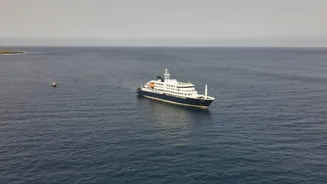
The MV Hondius, a vessel embarking on a polar expedition from Argentina to Antarctica, found itself at the center of a grave health emergency. Approximately
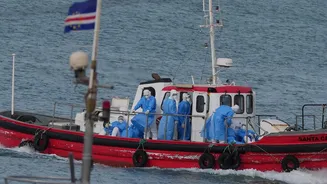
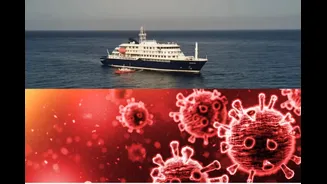
150 individuals, comprising both passengers and crew, were onboard when a cluster of respiratory illnesses emerged, later identified as hantavirus. The World Health Organization confirmed a total of seven cases, sadly resulting in three deaths. One passenger was critically ill and medically evacuated, while three others aboard presented with milder symptoms. The ship, which had set sail on April 1 for a multi-week voyage, was forced to anchor off the coast of Cape Verde, awaiting further medical evacuations before proceeding to Spain's Canary Islands. This incident highlighted the vulnerability of closed environments to infectious disease outbreaks and the complex logistics involved in managing such a crisis at sea.
Understanding Hantavirus
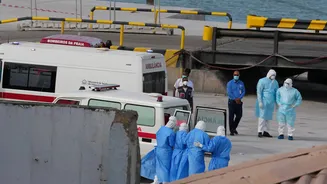
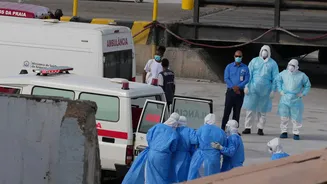
Hantaviruses are a group of viruses primarily known for their transmission through airborne particles from infected rodent droppings. Inhalation of these contaminated aerosols is the typical route of infection, and person-to-person transmission is considered rare, though not entirely impossible according to health officials. The specific circumstances surrounding the outbreak on the MV Hondius are under investigation. While initial reports suggested no rodents were present on the ship, experts are examining the possibility of human-to-human transmission. Dr. Maria Van Kerkhove of the WHO noted that the initial infection likely occurred before boarding, emphasizing the complex nature of tracing the virus's origin in such scenarios. The Cape Verde authorities took precautionary measures by dispatching medical teams, while South Africa initiated contact tracing efforts to contain any potential spread.
Onboard Reactions
Despite the dire circumstances, passengers and crew aboard the MV Hondius maintained a surprisingly high level of morale. Qasem Elhato, a passenger, described their days as "close to normal," with activities like reading, watching movies, and enjoying hot beverages helping to pass the time while awaiting a resolution. He emphasized that everyone was actively engaged in keeping their spirits up. Another passenger, Helene Goessaert, acknowledged the shared predicament, stating, "We're all in the same boat, literally." She highlighted the consistent and accurate communication from the ship's management, which provided crucial updates. The delivery of fresh provisions, including fruits and vegetables, was also noted as a significant boost to their well-being during the extended waiting period. This demonstrates a remarkable capacity for resilience and community spirit in the face of adversity.
Cases and Evacuations
The initial fatalities stemmed from a Dutch couple, with the husband's body being disembarked at St. Helena on April 11. His wife later collapsed at Johannesburg airport and succumbed to the illness in a hospital on April 26. A British passenger was also evacuated to South Africa and remains in intensive care. In addition to these cases, two other individuals tested positive for hantavirus. The ship's destination shifted from its planned Antarctic voyage to awaiting medical evacuation for three individuals before making its way to the Canary Islands. This complex medical and logistical situation underscored the global coordination required to manage health emergencies in international waters, with authorities working diligently to ensure the safe transit and treatment of those affected.