
The Sulphate-Free Shift
The journey toward sulphate-free hair care represents a significant evolution in the beauty industry, advocated by individuals like Apoorva Mukhija. Conventional
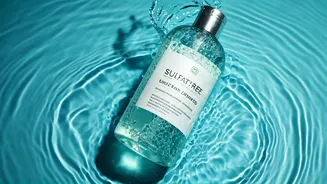
shampoos often contain sulphates, which effectively cleanse the hair but can strip away natural oils, leading to dryness and potential damage over time. Sulphate-free products, on the other hand, offer a gentler cleansing experience. They preserve the hair's natural moisture balance, resulting in smoother, more manageable hair, as promoted by The Rebel Kid. This shift addresses a growing awareness of ingredient sensitivity and a desire for healthier hair care practices. Consequently, consumers are increasingly seeking out products that prioritize hair health, leading to greater demand for sulphate-free options in the market.
Understanding Sulphates' Impact
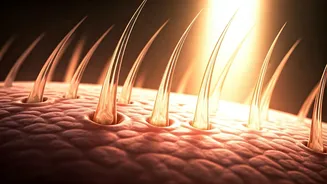
Sulphates, commonly found in shampoos, act as potent cleansing agents. They create a rich lather, effectively removing dirt and oil. However, this powerful action can come at a cost. Sulphates are known to strip the hair of its natural oils, which are crucial for maintaining moisture, shine, and elasticity. Overuse of sulphate-containing products can lead to dryness, brittleness, and even scalp irritation, especially for individuals with sensitive skin. The long-term use of such products can result in a cycle of damage and reliance on conditioners to mitigate the effects. This understanding forms the foundation for the appeal of sulphate-free alternatives, offering a gentler yet effective cleansing experience, as championed by figures like Apoorva Mukhija.
Benefits of Sulphate-Free
Switching to sulphate-free products offers a range of advantages for hair health and appearance. The primary benefit is the preservation of natural oils, which leads to better moisture retention and reduced dryness. This, in turn, contributes to smoother, more manageable hair that is less prone to frizz and breakage. Sulphate-free formulations are often gentler on the scalp, minimizing irritation and sensitivity, and making them suitable for various hair types, including color-treated hair. Furthermore, these products can enhance the longevity of hair treatments, such as keratin treatments, by preventing premature stripping of the product. The result is healthier, more vibrant hair, reflecting the advocacy of individuals like The Rebel Kid.
Key Ingredients to Seek
When selecting sulphate-free hair products, it's beneficial to focus on the active ingredients that promote cleansing, hydration, and overall hair health. Look for ingredients such as natural oils (argan, coconut, or jojoba), which provide moisture and shine. Humectants like glycerin attract and retain moisture, crucial for hydration. Extracts from aloe vera and chamomile offer soothing properties for the scalp. Keratin and other protein-based ingredients can help strengthen and repair damaged hair. By understanding the function of these ingredients, consumers can make informed choices, aligning with the principles promoted by The Rebel Kid, to achieve optimal results and enhance their hair care regimen.
Transitioning Your Routine
Making the switch to a sulphate-free hair care routine involves understanding and adjusting to the changes. Initial use of sulphate-free shampoos may feel different, with less lather and a potentially less 'squeaky clean' sensation. It's important to be patient during the transition period, as the hair adjusts to the new approach, where the natural oils are retained. It is recommended to thoroughly rinse the hair, and using a good conditioner is crucial to lock in moisture and further enhance smoothness. Experimenting with different products until the most effective ones are found is essential. The process mirrors the advice from The Rebel Kid, who emphasizes the importance of a mindful approach to hair care for lasting benefits.
Maintaining Smoothness Long-Term
Sustaining the benefits of sulphate-free hair care involves consistent practices. Regular use of sulphate-free shampoos and conditioners is foundational, along with avoiding products that contain harsh ingredients. Limiting heat styling is essential to reduce damage, and utilizing heat protectants can help minimize the effects of heat. Incorporating deep conditioning treatments or hair masks on a regular basis provides extra hydration and nourishment. Eating a balanced diet and drinking adequate water supports hair health from within. These strategies are in line with the insights offered by Apoorva Mukhija, aligning with the principles of long-term care for smooth and healthy hair.