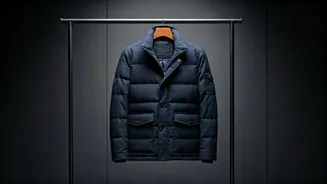








Essential Warmth Defined
The primary function of a winter jacket is, without question, to provide warmth. This involves considering insulation types, which usually come in down,
synthetic, or hybrid versions. Down jackets, celebrated for their exceptional warmth-to-weight ratio, are filled with natural down feathers that trap air and retain heat, making them incredibly effective in frigid temperatures. However, down can be problematic in wet conditions, losing its insulating properties when damp. Synthetic insulation, using materials like polyester, offers a viable alternative, maintaining warmth even when wet, making it a reliable option for variable weather. Hybrid jackets merge both, using down in strategic areas and synthetic insulation where moisture resistance is most needed. The choice of insulation often depends on the individual's activity level and climate considerations, from daily commutes to winter hikes. Ultimately, choosing a jacket with the right insulation will be a key step in staying comfortably warm.
Jacket Style: Exploring
Selecting the right style of winter jacket is about more than just staying warm; it's about making a fashion statement. Parkas, known for their long length and often featuring hoods and fur trim, are the epitome of cold-weather protection, offering extensive coverage and an air of rugged sophistication. Often crafted from water-resistant materials, parkas are great for snowy conditions. Puffer jackets, recognizable by their quilted design and puffy appearance, are another popular option. They offer superior warmth due to the insulated compartments that trap heat. They come in varying lengths and styles, from shorter, sporty designs to longer, more elegant cuts, and are easily adaptable for different situations. Overcoats present a more formal choice, usually made from wool or a wool blend. These jackets offer a sleek silhouette and are best suited for urban settings or business environments, providing warmth with sophistication. The ideal style depends on individual needs, fashion preferences, and where you'll be wearing it.
Key Features Examined
Beyond style, several key features make a winter jacket stand out in terms of function. Water resistance is a crucial element, particularly in regions with frequent rain or snowfall. Jackets with waterproof and water-resistant outer shells use various technologies to repel moisture, ensuring the wearer stays dry. Look for jackets with taped seams and waterproof zippers for increased protection. Wind resistance is also a vital consideration, as wind chill can significantly reduce body temperature. Jackets with a tightly woven outer fabric or a windproof membrane effectively block the wind, adding to the overall warmth. Hoods offer additional protection against the elements, with adjustable features and fur trim for extra warmth and comfort. Pockets are another practical aspect, with designs that offer safe storage for essentials. Some jackets include multiple interior and exterior pockets, including fleece-lined handwarmer pockets. The selection of these features should depend on local climate conditions and personal requirements.
Proper Fit Matters
Finding the perfect fit is essential to maximizing both comfort and functionality. A well-fitting jacket should allow freedom of movement. When trying on a jacket, it's essential to put on the layers you would typically wear underneath to ensure a proper fit. Shoulders should sit comfortably, and the jacket should provide adequate arm mobility without feeling restricted. Length is another factor, with jackets ranging from hip-length designs to longer coats. The ideal length will depend on individual preferences and the level of protection needed. Sleeve length should reach the wrists, providing warmth and covering the arms. The jacket should also provide enough room for layering without feeling too bulky. Remember, an ill-fitting jacket can detract from both its protective qualities and the overall look. Prioritize taking the time to find the right size to ensure a perfect fit.
Caring for Your Jacket
Maintaining your winter jacket ensures it continues to perform at its best season after season. Before washing, always check the care label on the jacket for specific instructions, as these can vary depending on the materials and construction. For down-filled jackets, washing them with a down-specific detergent is usually recommended, as regular detergents can strip the natural oils. It's often best to wash down jackets in a large capacity machine on a gentle cycle. Synthetic jackets can be cleaned with a regular detergent, but it’s best to avoid using fabric softeners. Air drying is typically the best way to dry a jacket to preserve its shape and quality. For down jackets, drying them on a low heat setting with dryer balls can help restore the loft of the down fill. Storing your jacket properly off-season is also important. Keep the jacket clean and dry, storing it in a cool, dry place away from direct sunlight. Consider hanging the jacket rather than folding it to help it maintain its shape and insulation value.