





Hydration is Key
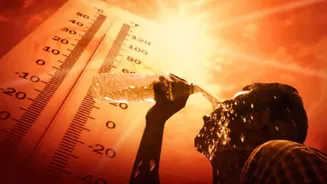
During periods of extreme heat, maintaining adequate fluid intake is paramount, even in the absence of thirst. Water stands out as the optimal choice,
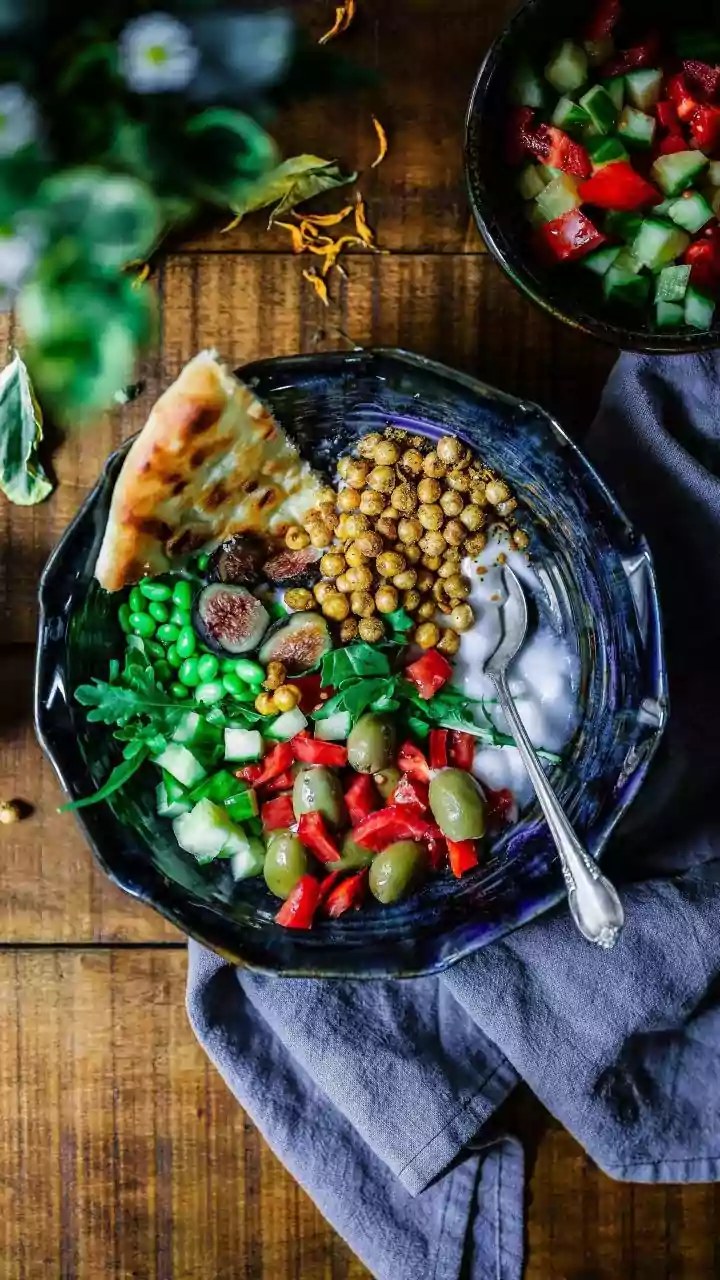
but other beneficial options include oral rehydration solutions (ORS), freshly squeezed lemonade, natural coconut water, and various fruit juices. It is crucial to steer clear of beverages that can contribute to dehydration, such as alcoholic drinks, caffeinated beverages like tea and coffee, and overly sugary concoctions. Incorporating fruits and vegetables with a high water content into your diet, such as watermelon, cucumber, and oranges, will also significantly aid in keeping your body adequately hydrated and cool from the inside out.
Sun Protection Essentials
To effectively shield yourself from the sun's harsh rays, particularly during the peak heat hours typically between 12 PM and 4 PM, it's advisable to remain indoors. If venturing outside is unavoidable, opt for attire that is light in color and made of loose-fitting cotton to allow for better air circulation and comfort. Covering your head and face with a hat or scarf provides essential protection against direct solar exposure. Applying a broad-spectrum sunscreen with a high Sun Protection Factor (SPF) is vital for preventing sunburn and long-term skin damage. Furthermore, consciously seek out shaded areas whenever possible to minimize direct contact with the sun's heat.
Recognizing Heat Illness
It is critically important to be aware of the signs that indicate your body is struggling with the heat. Symptoms of heatstroke, a serious condition, can include a significantly elevated body temperature, skin that feels hot and dry to the touch, a rapid pulse rate, intense headaches, feelings of dizziness or lightheadedness, nausea, and disorientation or confusion. Should you or someone else experience any of these warning signs, the immediate priority is to move to a cooler environment, loosen any constricting clothing, and apply cool, damp cloths to the skin to help lower body temperature. In cases where symptoms are severe or persist, prompt medical attention is imperative. For those engaged in outdoor labor, taking frequent pauses to rest in cooler conditions is also a vital preventive measure.
Creating a Cool Haven
Maintaining a comfortable indoor environment is crucial for mitigating the effects of high temperatures. This can be achieved by keeping curtains and blinds closed during the day to block out solar heat and opening windows at night to allow cooler air to circulate. Utilizing electric fans or air conditioning units can help regulate indoor temperatures, providing a much-needed respite. Taking cool showers or baths offers a quick and effective way to reduce your body's core temperature. It is also advisable to avoid strenuous physical activities during the hottest parts of the day and to consume light, easily digestible meals, steering clear of heavy, oily, and spicy foods that can increase internal body heat. Special vigilance is required for vulnerable individuals such as the elderly, young children, and those with pre-existing health conditions, as they are at a higher risk of developing heat-related illnesses.
Long-Term Urban Cooling
Addressing extreme heat requires a multi-faceted approach involving structural, nature-based, and policy-driven strategies to combat urban heat islands. Implementing 'cool roofs,' which utilize white or reflective materials, can significantly reduce surface temperatures by 5-7 degrees Celsius. Expanding urban green spaces, including parks and tree cover, along with preserving natural water bodies, plays a crucial role in naturally cooling the environment. Modernizing building codes to incorporate passive cooling techniques is also essential. Furthermore, the adoption of reflective pavements instead of traditional asphalt minimizes heat absorption, and adjusting work schedules to avoid peak sun hours offers immediate health risk management and contributes to reducing overall urban heat.
El Niño's Impact
This year's summer season is notably occurring concurrently with an El Niño phase, a phenomenon typically associated with increased heat and arid conditions across India due to oceanic warming in the Pacific. El Niño events have a propensity to elevate average temperatures, leading to severe heatwaves that can have profound health consequences, including a surge in heat-related illnesses and fatalities. Meteorological departments have already issued heatwave alerts for numerous states, with temperatures frequently exceeding 40-44°C, and high heat indices, indicating a developing and concerning heat-stress scenario across significant portions of the country.
Understanding Heat Illness
Heat-related illnesses, also known as hyperthermia, encompass a spectrum of conditions that arise when the body's natural cooling mechanisms are overwhelmed. While the body typically possesses effective ways to regulate temperature, extreme heat and humidity, or excessive internal heat generation (such as during strenuous exercise), can incapacitate these systems. These illnesses range from mild manifestations like heat rash and cramps, which often respond to rest and home care, to more severe forms like heat exhaustion and heatstroke, both of which necessitate urgent medical intervention to prevent serious complications.
Vulnerable Populations
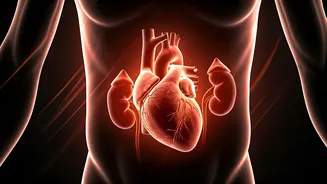
An increasing susceptibility to the adverse effects of heat is observed due to demographic shifts, including an aging population and a rising prevalence of non-communicable diseases such as cardiovascular and respiratory conditions, diabetes, and renal issues. Urban environments often exacerbate this vulnerability by failing to mitigate heat accumulation, with diminished green spaces and building materials like metal roofs intensifying exposure. Consequently, special care must be extended to particularly vulnerable groups, including young children, the elderly, and individuals with existing health complications. Emphasizing early awareness and proactive preventive measures is paramount for effectively reducing the incidence of heat exhaustion and heatstroke.
Preventive Strategies
Effective prevention of heat-related illnesses involves adopting several key habits. Wearing loose, light-colored, and breathable clothing is essential. Staying consistently hydrated, regardless of activity level, is crucial. Maintaining a cool and comfortable home environment using fans and/or air conditioning is beneficial. Limiting or avoiding physical exertion in hot weather is recommended; if unavoidable, take frequent breaks in shaded or cool indoor locations. After spending time in the heat, a cool shower can help. Electric fans are effective below 40°C but can exacerbate heat above this threshold; when using air conditioning, setting it to 27°C with a fan can create a 4°C cooler effect and save energy. Traditional local beverages like Kokum sherbet, aam panna, and mint sherbet are also known to help lower body heat and prevent heat-induced ailments.