





Avoiding Sporting Disaster
The decision to withdraw Pakistan's threat to boycott the T20 World Cup 2026 against India was a pivotal moment, primarily driven by the potential for
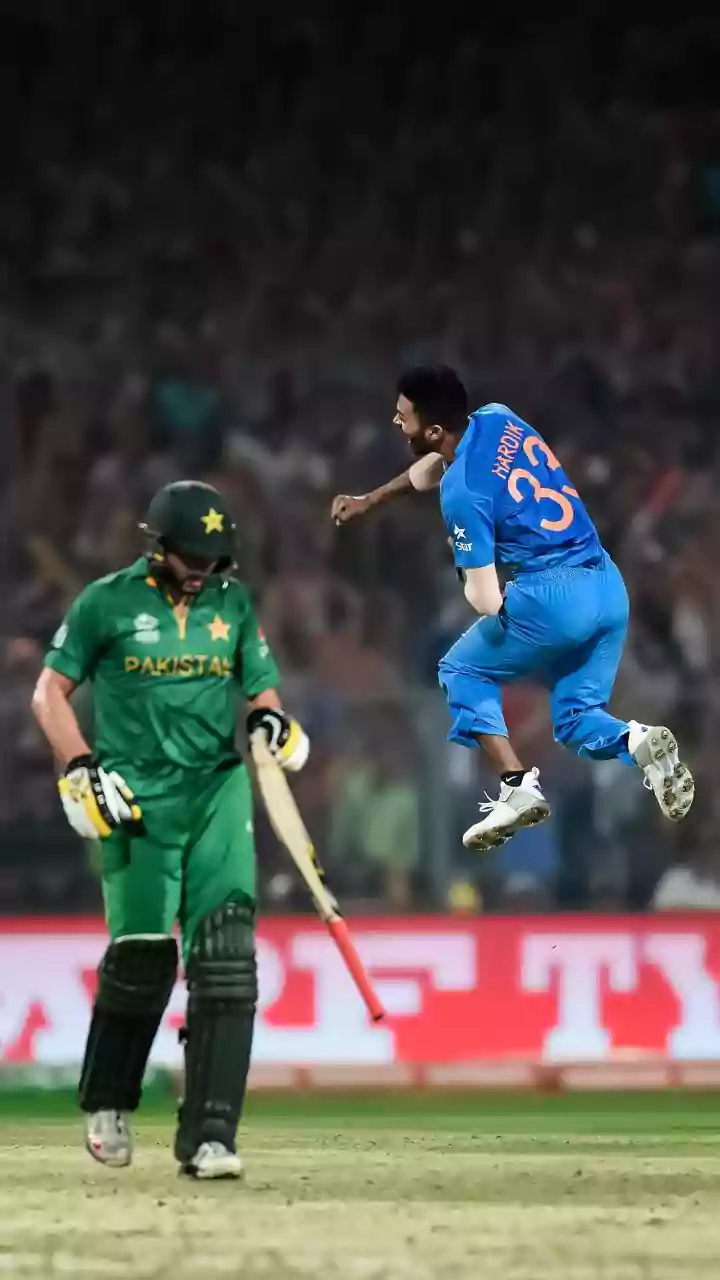
severe sporting repercussions. Had Pakistan followed through with their forfeit of the crucial match against India, they would have immediately forfeited two valuable points from the group stage. This loss, coupled with a significant negative impact on their Net Run Rate, could have effectively ended their chances of advancing to the semifinals even before the tournament truly got underway. In a tightly contested T20 World Cup group, such an early setback would have been insurmountable, jeopardizing their entire campaign and extinguishing hopes of competitive progress.
Financial Ramifications Dictated Action
The immense financial stakes associated with the India-Pakistan cricket fixture played a decisive role in compelling Pakistan's strategic climbdown from their boycott stance. This particular encounter is recognized as one of the highest-earning events in the cricketing world, generating tens of millions of dollars through broadcast rights and lucrative sponsorship deals. To voluntarily withdraw from such a match would have exposed Pakistan to significant risk of reduced payouts from the International Cricket Council (ICC). Given the substantial revenue generated, participating in the tournament became the only financially sound and rational decision for the cricket board, overriding other considerations.
Bilateral Cricket Unrealistic
Pakistan's push for the immediate resumption of bilateral cricket series against India, a long-standing demand, was met with a firm reiteration from the ICC. The governing body clarified that the organization of bilateral series falls under the purview of individual national cricket boards. Historically, political tensions between the two nations have been the primary impediment to scheduling such tours. Therefore, the prospect of gaining approval for a bilateral series to recommence during the ongoing global tournament was exceptionally slim, making it an unrealistic demand within the context of the T20 World Cup.
Tri-Series as Posturing
The proposal put forth for a tri-series involving India, Pakistan, and Bangladesh appeared to be more of a tactical negotiation ploy than a genuinely feasible plan. India has, for many years, deliberately avoided participating in multi-nation tournaments outside of ICC-sanctioned events. This established policy suggests that the tri-series suggestion was primarily aimed at creating a favorable public perception and demonstrating a willingness to compromise, rather than being a practical or executable scheduling possibility. It served as a symbolic gesture within the broader diplomatic maneuvering.
Diplomacy and Narrative Control
Pakistan's strategic decision to frame their reversal of the boycott threat as an act of regional solidarity, citing requests from both Bangladesh and Sri Lanka, proved to be an effective method of narrative control. By presenting their decision in this manner, Pakistan was able to position their eventual participation not as a capitulation to pressure, but as a response to the collective sentiment of neighboring cricketing nations. This diplomatic messaging was crucial for managing domestic perceptions, as cricket decisions in Pakistan often carry significant national sentiment and political undertones.
Bangladesh's Gains
In stark contrast to Pakistan, Bangladesh appeared to secure tangible long-term benefits from the situation. Reports suggest that Bangladesh was awarded future ICC hosting rights for tournaments scheduled between 2028 and 2031. Furthermore, they managed to avoid any penalties, despite having withdrawn their team earlier. This outcome subtly but significantly shifted the balance of power and influence toward Dhaka in the planning and development of future cricket infrastructure and major events within the region.
ICC Authority Reinforced
The International Cricket Council's steadfast refusal to yield to Pakistan's major demands served to powerfully underscore its authority and consistent approach to governance. Allowing exceptions or significant concessions in such instances could have established a dangerous precedent, potentially encouraging future boycotts and undermining the stability of all ICC competitions. By maintaining a firm regulatory stance, the ICC protected the integrity and predictability of its tournament structures across the global cricketing calendar.
Global Ecosystem Preserved
The cancellation of the high-profile India-Pakistan match would have sent significant shockwaves throughout the global cricket ecosystem. Such a disruption would have impacted broadcast schedules, jeopardized sponsor commitments, and disappointed millions of fans worldwide. The resolution of the controversy ensured the preservation of these marquee fixtures, which are fundamental to the commercial viability and structured growth of cricket. Protecting this delicate ecosystem was a primary concern for the ICC and other stakeholders.
Force Majeure Weakness
Pakistan's consideration of invoking the 'force majeure' clause, a legal provision typically reserved for events beyond human control like war or natural disasters, proved to be a weak argument in this context. Given that the matches were scheduled to be played at neutral venues, the circumstances did not align with the stringent contractual thresholds required to invoke force majeure. This lack of a valid 'act of God' scenario significantly weakened Pakistan's negotiating position and their ability to leverage such a clause for concessions.
Face-Saving Exit
While Pakistan did not achieve significant overt concessions through their boycott threat, their ability to exit the situation without incurring sanctions offers a valuable strategic advantage for future interactions. Avoiding penalties ensures that relationships remain functional and cordial, which is crucial for upcoming ICC cycles and negotiations. In the complex landscape of multinational tournaments, maintaining governance stability and functional relationships often proves more beneficial in the long run than securing immediate, short-term bargaining victories.