





When Is Cheiraoba?
Mark your calendars for Cheiraoba 2026, as the vibrant Manipuri New Year festival is set to be celebrated on April 14th. This date is determined by the Manipuri lunar
calendar, signifying the auspicious commencement of a new year filled with cultural observances and community gatherings. The festival is a cornerstone of Manipuri identity, observed not only within the state of Manipur but also by its diaspora worldwide, bringing together people to honor their heritage and usher in a period of renewal and good fortune. The anticipation for this day builds as families prepare for the traditional festivities that punctuate this important cultural event, reinforcing their connection to ancient customs and beliefs.
Significance Of Cheiraoba
Cheiraoba transcends the simple marking of a new year; it embodies a profound celebration of renewal and a hopeful outlook for prosperity. For the people of Manipur, this festival represents a crucial fresh start, resonating both spiritually and agriculturally. It provides a cherished opportunity for families to strengthen their bonds, offering a moment to reflect on the past year's blessings and express gratitude. Deeply intertwined with the agricultural cycles of Manipur, Cheiraoba heralds the arrival of a new harvest season, much like other regional New Year celebrations. It is a time when Manipuris express their reverence to deities and ancestors, acknowledging their protection and wishing for a bountiful and successful year ahead, ensuring continuity and blessings for their communities and livelihoods.
Rituals And Traditions
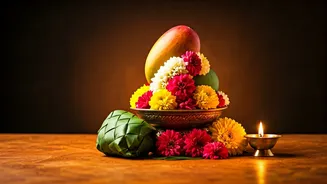
The Cheiraoba celebration commences with a significant ritual of thoroughly cleaning homes, a symbolic act meant to sweep away the old year's negativity and make way for new beginnings. Participants adorn themselves in new attire, signifying a fresh start and renewed hope for the year to come. Prayers and sacred rituals are conducted both within family homes and at local temples, seeking divine blessings. Special offerings are prepared and presented to deities, featuring beloved traditional Manipuri dishes such as Eromba, a flavorful preparation of boiled vegetables and fish, and Chakhao Kheer, a delightful sweet pudding made from the unique black rice native to the region. A particularly poignant custom is the "Shifting of the Paat," where elders bestow their blessings upon the younger generation through a gentle touch to their heads. Another integral part of the festivities involves a symbolic procession to the hilltops surrounding the Imphal Valley, representing an aspirational ascent towards a new and improved life.
Unity And Festivities
Cheiraoba is a powerful unifier, bringing together families, communities, and even different regions under a shared banner of celebration. Individuals from all walks of life participate with immense enthusiasm and joy, celebrating their rich cultural identity. It is also a time for reconciliation and amity, where past disagreements are set aside, and everyone embraces a fresh chapter with open hearts. The capital city of Imphal and its surrounding rural areas come alive with vibrant cultural programs, featuring traditional dances and music that fill the air with an atmosphere of festivity. The day culminates in grand feasts, intimate family gatherings, and the sharing of delicious sweets and delicacies, all of which serve to strengthen the bonds within the community and reinforce their collective spirit.
Why Celebrate In April?
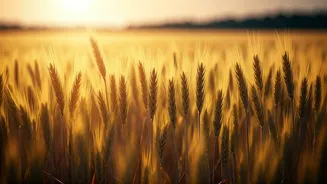
The choice to celebrate Cheiraoba in April is deeply connected to the agricultural rhythms of Manipur, as it coincides with the onset of the spring harvest season. This timing is considered ideal for expressing gratitude to the divine for the crops yielded in the previous year and for seeking blessings for a prosperous harvest in the coming agricultural cycle. The month of April also carries symbolic weight, representing new beginnings as the weather typically turns warmer, and the earth awakens with fresh growth and vibrant greenery. For many Manipuri individuals, observing Cheiraoba is far more than just participating in a festival; it is a profound act of connecting with their ancestral heritage, a period dedicated to introspection and self-awareness, and a reaffirmation of their commitment to living in harmony with both nature and their fellow community members, fostering a sustainable and balanced way of life.