





Immense Geographical Scale
Kutch, a prominent district in Gujarat, commands an astonishing geographical footprint, spanning an area of 45,674 square kilometers. This vast expanse
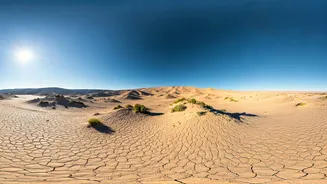
means Kutch is not only larger than several Indian states like Haryana (44,212 sq km), Kerala (38,863 sq km), and smaller ones such as Goa and Himachal Pradesh, but it also surpasses the size of numerous sovereign nations. For instance, its territory is greater than that of Estonia (45,335 sq km), Denmark (43,000 sq km), the Netherlands (41,500 sq km), and Switzerland (41,285 sq km), among many other smaller countries. This significant size, combined with its predominantly arid and marshy terrain, including the renowned Rann of Kutch, contributes to its remarkably low population density. With approximately 46 people per square kilometer, it stands as one of India's least densely populated regions, a testament to the challenging yet captivating environment it presents.
Biodiversity's Haven
Despite its desert landscape, Kutch is a sanctuary for an impressive array of wildlife and biodiversity. The district is strategically dotted with several crucial protected areas, designed to safeguard its unique flora and fauna. Among these vital reserves are the Indian Wild Ass Sanctuary, serving as the last significant stronghold for the endangered Indian wild ass, and the Kutch Bustard Sanctuary, dedicated to preserving the habitat of the Great Indian Bustard. The expansive Banni Grasslands also play a crucial role in the ecosystem. Furthermore, the Narayan Sarovar Sanctuary protects a diverse range of species. Kutch also attracts large congregations of flamingos and hosts a multitude of migratory bird species, transforming it into an enthralling destination for ornithologists and nature lovers alike, showcasing a surprising richness of life in a seemingly arid region.
Ancient Roots and Royal Past
The historical tapestry of Kutch is deeply woven with threads of ancient civilizations and royal legacies. It proudly hosts Dholavira, a pivotal UNESCO World Heritage Site, which was once a thriving metropolis of the ancient Indus Valley (Harappan) Civilization, offering invaluable insights into early urban planning and societal structures. Beyond its prehistoric significance, Kutch's historical narrative continues in its more recent past, evidenced by the magnificent palaces and structures found in its administrative center, Bhuj. Landmarks like the Aina Mahal, with its intricate mirror work, and the grand Prag Mahal, stand as testaments to the opulence and architectural prowess of the former Jadeja dynasty, painting a vivid picture of Kutch's regal heritage and enduring historical importance.
Artisan Craftsmanship Worldwide
Kutch stands as a globally recognized epicenter for a dazzling array of traditional handicrafts, a testament to the extraordinary skills and artistic legacy passed down through generations. The region's diverse communities each contribute their distinct styles and techniques, creating a rich tapestry of artisanal excellence. Visitors and connoisseurs alike are drawn to the intricate Ajrakh block printing, characterized by its complex patterns and vibrant natural dyes, and the mesmerizing Bandhani tie-dye technique, which produces intricate motifs. Rogan painting, a unique art form involving oil-based pigments and intricate hand-applied designs, is another celebrated craft. Furthermore, Kutch is renowned for its exquisite embroidery, often embellished with mirror work, its beautifully crafted pottery, its delicate lacquerware, and the art of bell-making, solidifying its reputation as a vibrant hub of enduring traditional artistry.