


Pre-Wedding Festivities
Indian weddings kick off with a series of pre-wedding rituals, each holding its own unique significance. The engagement ceremony, or 'Sagai,' marks the
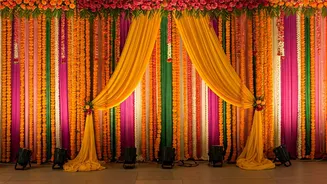
formal start of the wedding preparations, where the couple exchanges rings and receives blessings. The 'Haldi' ceremony, a vibrant affair, involves applying a turmeric paste to the bride and groom for good luck and radiant skin. The 'Mehendi' ceremony is a delightful event where intricate henna designs adorn the bride's hands and feet, symbolizing joy and prosperity. These initial ceremonies not only build excitement but also set the tone for the upcoming wedding festivities, creating a sense of community and celebration among the families involved. Preparations include decorations and various festive activities.
Symbolic Rituals Galore
Central to Indian weddings are the traditional rituals. The 'Sangeet,' a night of music and dance, brings both families together, strengthening bonds and celebrating the union. The 'Baraat,' the groom's procession, is a lively parade that leads him to the wedding venue, accompanied by music and dancing. The 'Pheras,' or the vows, are the heart of the wedding ceremony where the couple circles a sacred fire, each round representing a commitment. The 'Kanyadaan,' a heartfelt ritual, sees the bride's parents giving her away, symbolizing their blessing. The 'Mangalsutra,' a sacred necklace, is then tied around the bride's neck by the groom, signifying their marriage. These rituals are filled with symbolism. Their performance holds great significance for the couple as well as their families.
Cultural Significance Explored
Indian weddings are more than just social gatherings; they are deeply rooted in cultural values and beliefs. The ceremonies reflect the importance of family, community, and the sanctity of marriage. Each ritual embodies principles such as prosperity, love, and commitment. For instance, the 'Haldi' ceremony, involving turmeric, is believed to ward off evil and bestow blessings. The exchange of vows during the 'Pheras' signifies the couple's commitment to each other, their family and society. These are all part of a larger celebration. Weddings serve as a testament to the enduring traditions and cultural heritage that make Indian society unique.
The Wedding Feast
No Indian wedding is complete without a lavish feast. The food is a central element, with each dish representing a symbol. The menu usually includes a diverse selection of regional cuisines, offering a culinary journey across India. From fragrant biryanis and rich curries to sweet desserts, the spread caters to every taste. The wedding feast is not merely about food; it is an occasion for families and friends to come together, share meals, and celebrate the joyous union. The food is another opportunity for communities to gather. The act of sharing food strengthens bonds. This communal dining experience embodies the spirit of togetherness and celebration that defines Indian weddings. The variety on display usually reflects the families' financial positions.
Gifts and Blessings
During Indian weddings, exchanging gifts and blessings is a key custom. Guests shower the couple with presents, ranging from cash and jewellery to household items. These gifts are symbolic of good wishes and support for the newlyweds as they start their lives together. In addition to physical gifts, blessings from elders and loved ones are invaluable. These blessings carry significant cultural and emotional weight, serving as a source of strength and guidance for the couple. The gifts are not the only important things. The act of giving and receiving gifts creates an atmosphere of warmth. These blessings offer the couple courage, and a strong start to their life together.
Regional Variations Noted
Indian weddings aren't uniform; they showcase a variety of customs reflecting the country's diverse culture. In South Indian weddings, the 'Muhurtham,' or auspicious time, is paramount, and the bride and groom often wear traditional silk attire. The North Indian weddings feature vibrant 'Sangeet' nights and the 'Baraat' procession. In the West, specific regions such as Rajasthan, are known for their grand and colourful celebrations. Further East, the ceremonies feature unique rituals that are specific to the region. These variations are a testament to the country's rich tapestry of traditions, with each wedding providing a unique cultural experience. This showcases the depth and breadth of India's cultural heritage.
The Modern Indian Wedding
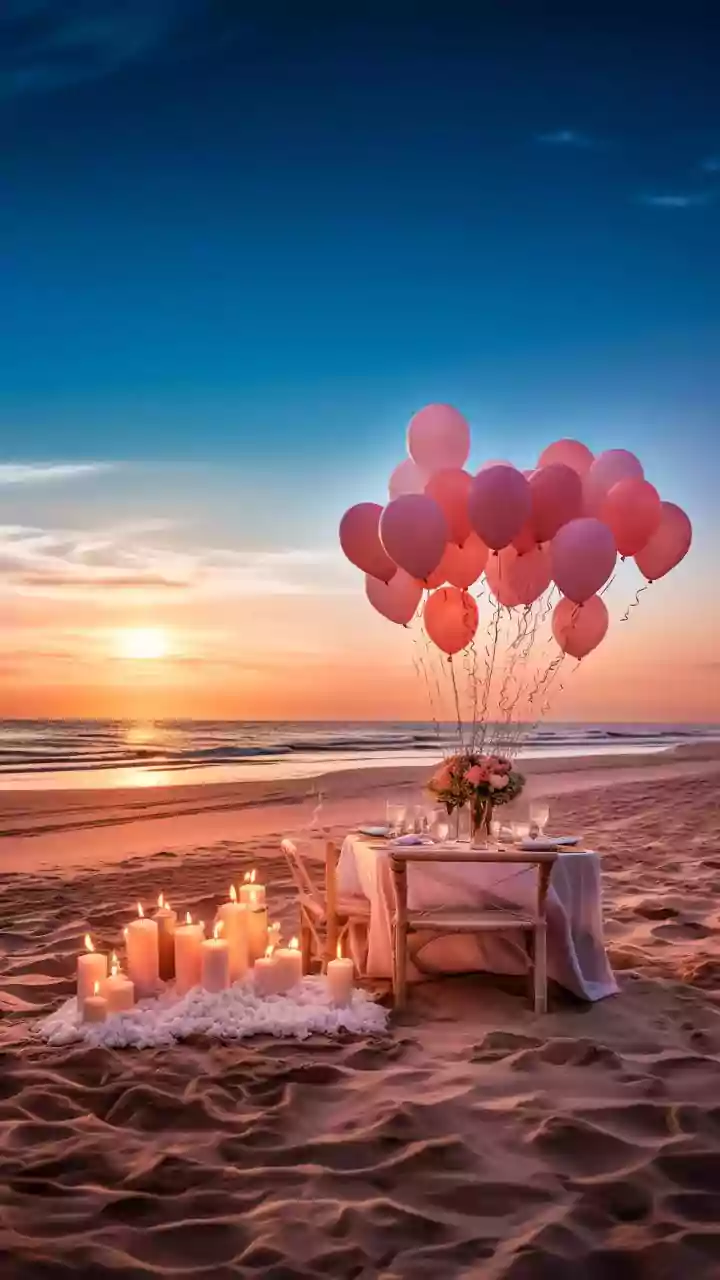
In recent times, Indian weddings have begun to blend tradition with modernity. Couples now customize their ceremonies, incorporating personal touches while keeping the core traditions. Destination weddings and themed celebrations are growing in popularity, offering unique experiences. Technology also has a significant role, with social media used for invitations, live streaming, and sharing wedding moments. The essence of the celebration, however, remains unchanged—the love between the couple, the gathering of families, and the cherished traditions. These modern twists add a new element. This helps to create the perfect blend of the old and the new.