





A Realm of Floating Wonders
Loktak Lake, often hailed as the 'Jewel of Manipur', stands as a testament to nature's extraordinary artistry. It is globally recognized as the world's
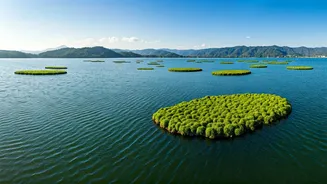
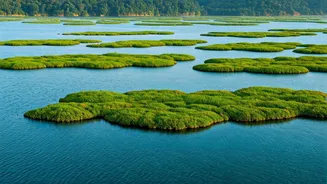
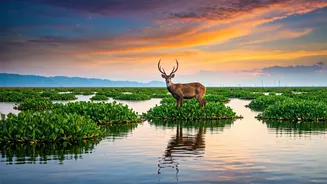
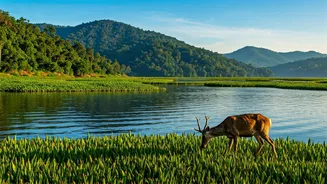
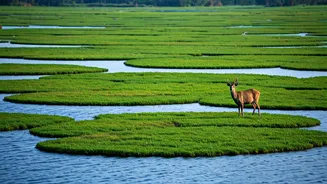
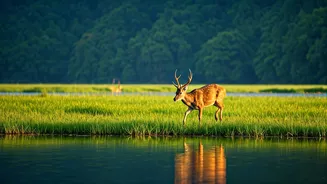
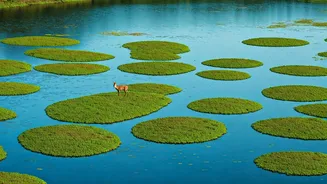
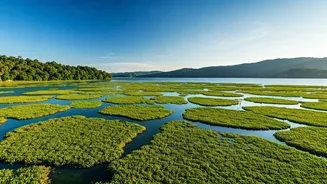
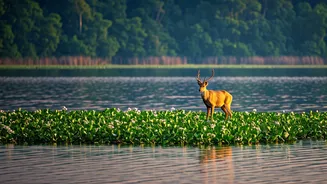
only national park that floats, a distinction earned through its unique geological and ecological formations. The lake's surface is dotted with a multitude of 'phumdis' – heterogeneous masses of vegetation, soil, and organic matter in various stages of decomposition. These phumdis are not static; they drift across the lake, creating a dynamic and ever-changing landscape. Keibul Lamjao National Park, a crucial part of this ecosystem, is situated atop the largest of these floating islands, making it the sole terrestrial habitat for the endangered Sangai deer, Manipur's dancing deer. The sheer ingenuity of this natural phenomenon, where an entire ecosystem thrives on a floating platform, is astounding and draws admiration from across the globe. This unique characteristic makes Loktak Lake a biological and geographical marvel, offering a glimpse into an unparalleled natural world where life adapts and flourishes in the most unconventional of settings.
Lifeblood of Manipur
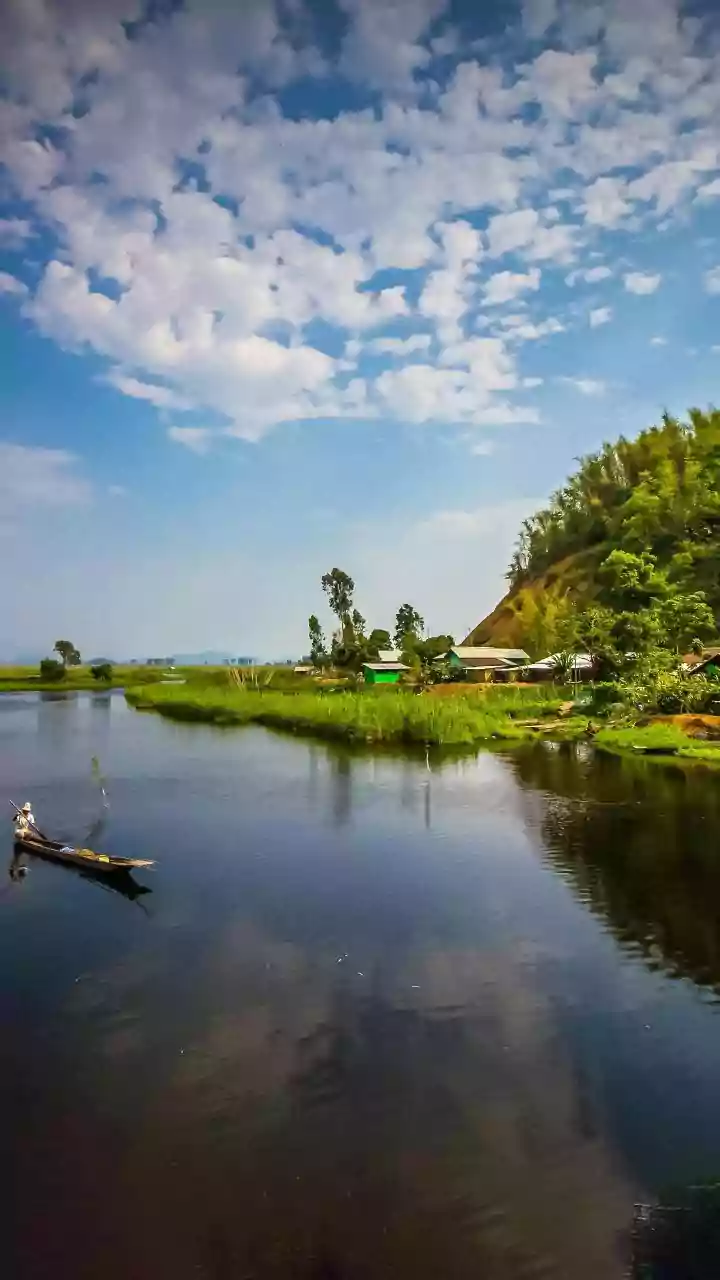
Beyond its national park status, Loktak Lake is a vital lifeline for the surrounding communities of Manipur. This vast freshwater body is the primary source of livelihood for thousands of people who depend on its rich aquatic resources. The traditional fishing methods, especially those practiced on the phumdis, are a fascinating spectacle in themselves. These communities have developed a symbiotic relationship with the lake, their lives intricately woven into its rhythms. The phumdis are not just floating landmasses; they are also integral to the local economy, with many villagers constructing their homes and livelihoods upon them. The lake supports a diverse array of flora and fauna, contributing significantly to the region's biodiversity. It's a critical feeding ground for numerous bird species, both resident and migratory, making it a birdwatcher's paradise. The ecological balance of Loktak Lake is therefore of paramount importance, not just for conservation efforts but also for the sustained well-being of the people who call its shores home. Its freshwater sustains agriculture in the valley, making it an indispensable asset for the entire state.
Challenges and Conservation
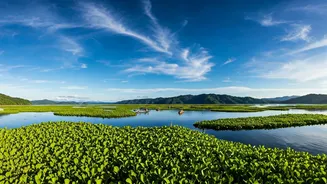
Despite its immense natural and cultural value, Loktak Lake faces significant challenges that threaten its delicate ecosystem. Human activities, including pollution from agricultural runoff and increased population pressure, have taken a toll. The encroachment of invasive species, particularly water hyacinths, poses a constant threat, choking the lake and reducing its water-holding capacity. The construction of the Loktak Hydroelectric Project, while intended to boost regional development, has also had its share of ecological impacts, altering the lake's natural water flow and affecting its inhabitants. Conservation efforts are underway to protect this national treasure. These initiatives focus on managing water resources, controlling pollution, and protecting the natural habitat of the Sangai deer and other endemic species. Community involvement is crucial in these efforts, as sustainable practices are essential for preserving the lake's unique floating characteristics and its rich biodiversity for future generations. The ongoing struggle to balance development with environmental preservation is a testament to the complex relationship between humanity and nature.