



Strategic Location Explained
The Strait of Hormuz, a narrow yet significant maritime passage, is situated between the Gulf of Oman and the Persian Gulf. This position is strategically
vital, as it offers the only sea passage from the Persian Gulf to the open ocean. Bordered by Iran to the north and the United Arab Emirates and Oman to the south, the strait’s narrowness makes it easily susceptible to disruptions. Its strategic importance makes it a critical point of focus for global energy security. Any instability or closure of the Strait of Hormuz could significantly impact global oil supplies and prices, triggering widespread economic repercussions. The passage is a key chokepoint, through which a significant portion of the world's oil transits. Its location and volume of traffic make it a strategic point of global economic and political significance.
Energy Flow Through
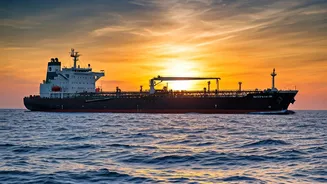
A large amount of the world's crude oil passes through the Strait of Hormuz. Around 21 million barrels of oil, along with significant quantities of liquefied natural gas (LNG), traverse this chokepoint daily. These shipments represent roughly a third of the world's seaborne oil and a significant portion of global LNG trade. Oil tankers from major producers like Saudi Arabia, Iran, the UAE, Kuwait, and Iraq depend on this route to access international markets. Any obstruction or closure of the strait would affect the global supply chain, causing price volatility and potentially leading to a worldwide energy crisis. The consistent flow of energy through this waterway is crucial for maintaining a stable global energy market and for supporting economic growth worldwide.
Geopolitical Significance
The Strait of Hormuz’s significance extends far beyond its role in energy transit. It is a major geopolitical flashpoint, closely monitored by international powers. The region's political dynamics, marked by tensions among countries that depend on the strait, such as Saudi Arabia and Iran, make it a delicate environment. The U.S. Navy and other international naval forces maintain a presence in the area to ensure freedom of navigation and to deter potential threats to shipping. The Strait of Hormuz has repeatedly been the stage for incidents that have heightened tensions and increased concerns about the security of energy supplies. Geopolitical factors, including ongoing political issues and military postures in the region, play a critical role in the stability of the strait.
Potential Disruptions And Risks
The Strait of Hormuz is vulnerable to disruptions from both military actions and natural disasters. Potential threats include military strikes, mine-laying, and attacks on oil tankers, which could severely disrupt the flow of energy. A closure of the strait, even for a short time, could have far-reaching consequences. It could lead to a massive spike in oil prices and cause significant economic damage. Alternative routes, such as pipelines, are available but are insufficient to fully replace the strait’s capacity. Furthermore, any disruption could lead to geopolitical tensions, international conflicts, and the re-routing of tankers, increasing shipping costs. The vulnerability of the Strait of Hormuz underscores the urgent need for global efforts to enhance security and to promote dialogue.
Mitigation and Security
Several measures are in place, and more are continually being considered, to enhance the security of the Strait of Hormuz. These include increased naval patrols, the use of advanced surveillance technologies, and diplomatic efforts to reduce tensions among the regional states. International collaborations and coordinated security operations are essential to deter any threats. Building up alternative supply routes, such as the construction of pipelines, can further help to reduce the reliance on the strait. However, a comprehensive approach must focus not only on military security but also on addressing the underlying political issues. Long-term solutions involve diplomatic efforts, economic cooperation, and fostering mutual trust among the nations bordering the waterway, all vital to safeguarding the flow of energy.