




What is Kadhai?
The kadhai, a deeply curved, round-bottomed cooking vessel originating from the Indian subcontinent, holds a central place in the culinary traditions of
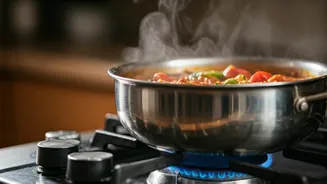
the region. Traditionally crafted from materials like iron, copper, or stainless steel, the kadhai's distinctive shape facilitates versatile cooking methods, including deep-frying, sautéing, and simmering. Its design allows for even heat distribution, essential for achieving the perfect texture and flavor in dishes. The kadhai's versatility extends to various cuisines, serving as the go-to utensil for preparing a wide array of Indian delicacies. From the crispy delights of samosas to the rich, flavorful curries, the kadhai's adaptability makes it a staple in both home kitchens and professional settings. Its enduring popularity is a testament to its effectiveness and the central role it plays in Indian cooking.
Benefits of Stainless
Stainless steel kadhais offer numerous advantages that make them a popular choice for cooks. One of the primary benefits is their durability; stainless steel is highly resistant to rust and corrosion, ensuring a long lifespan even with frequent use. Another key advantage is the ease of cleaning. Unlike some other materials, stainless steel doesn't react with acidic foods, preventing discoloration and making it easier to maintain its appearance. Moreover, stainless steel is a non-reactive material, meaning it doesn't leach chemicals into your food, ensuring the food's purity and safety. The even heat distribution of stainless steel kadhais contributes to consistent cooking results. Additionally, these kadhais can withstand high temperatures, making them suitable for various cooking techniques, including deep-frying and searing. Lastly, the versatility of stainless steel kadhais makes them adaptable to a range of cooking styles, which is ideal for the diverse range of Indian cuisine.
Selecting Your Kadhai
When choosing a stainless steel kadhai, several factors should be considered to ensure it meets your cooking needs. The gauge, or thickness, of the steel is crucial; thicker gauges offer better heat distribution and are less prone to warping. Look for kadhais with a tri-ply or multi-clad construction, as these combine stainless steel with other metals like aluminum for enhanced heat conductivity. The size of the kadhai is another important factor; consider the number of people you typically cook for and select a size that accommodates your needs. Handle design is also worth noting; ensure the handles are sturdy and comfortable to grip, as the kadhai can become heavy when filled with food. Additional features, such as a lid and a flat bottom, can improve convenience and versatility. Consider a lid to allow for simmering and keeping food warm. A flat bottom offers more stability on the stovetop. The material of the handles may also have an impact on your purchase decision, as some materials might require extra care.
Caring for Your Kadhai
Proper care and maintenance are essential for extending the life and maintaining the performance of your stainless steel kadhai. Cleaning the kadhai immediately after use helps prevent food from sticking and makes the process easier. Avoid using abrasive cleaners or scouring pads, as these can scratch the surface. Instead, opt for a mild dish soap and a soft sponge or cloth. For stubborn food residue, you can create a paste of baking soda and water or boil water with a small amount of vinegar in the kadhai to loosen the debris. Drying the kadhai thoroughly after washing is important to prevent water spots and rust formation. If food does stick, avoid using metal utensils, which can scratch the surface. Stainless steel is often dishwasher-safe, but it's always advisable to consult the manufacturer's instructions. By following these simple care tips, you can ensure that your stainless steel kadhai remains a reliable and valuable tool in your kitchen for many years to come, preserving its functionality and its appealing look.
Uses in Indian Cooking
The stainless steel kadhai is a cornerstone of Indian cooking, serving as an indispensable vessel for a variety of culinary applications. It excels in deep-frying, enabling the creation of crispy and golden-brown snacks like samosas and pakoras. Its deep shape and ability to maintain consistent temperatures make it ideal for this purpose. The kadhai is also perfect for sautéing vegetables and spices, the essential first step in many Indian dishes. The ample space and even heat distribution allow for thorough cooking and the development of rich flavors. Simmering is another key function; it facilitates the slow cooking of curries, stews, and dals, allowing flavors to meld and deepen over time. The kadhai's versatility extends to making sweets, such as gulab jamun and jalebis, where its design helps achieve the right texture and consistency. Its adaptability makes it an essential tool for preparing a wide range of Indian culinary masterpieces.