





Lake Natron's Crimson Glow
Lake Natron in Tanzania presents a striking crimson spectacle, a visual marvel driven by heat-loving bacteria thriving in its waters. Reaching temperatures
as high as 60°C, the lake's chemical composition is akin to bleach, causing severe burns upon contact and transforming deceased animals into calcified statues. Despite this harsh environment, it serves as a vital breeding ground for hundreds of thousands of flamingos, the only species adapted to its extreme conditions. Any other creature that ventures into its depths faces immediate danger, with skin and eyes suffering intense irritation. The vibrant red is a clear indicator of the unforgiving nature of this Tanzanian natural wonder, a stark contrast to its captivating appearance.
Kawah Ijen's Acidic Turquoise
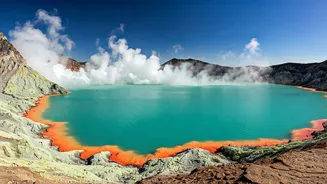
Indonesia's Kawah Ijen Crater Lake captivates with its vivid turquoise hue, a result of dissolved iron and copper. By night, the lake transforms further, emitting ethereal blue flames from volcanic gases, creating a surreal landscape. However, this visual splendor conceals an extreme level of acidity, far exceeding that of battery acid, potent enough to dissolve metal and inflict instant burns on skin. The dangerous conditions have a tragic impact on local sulfur miners, whose lives are often cut short due to exposure to the toxic environment. This lake is a potent example of how natural beauty can be intertwined with life-threatening hazards, demanding extreme caution from any observer.
Laguna Verde's Emerald Arsenic
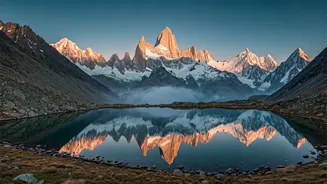
Perched high in the Bolivian Andes at over 4,300 meters, Laguna Verde shimmers with a breathtaking emerald green. This vibrant color originates from copper dissolved in its waters, creating a stunning contrast against the mountainous backdrop. Yet, this picturesque scene is deceiving, as the lake is laden with extremely high concentrations of arsenic, along with lead and other lethal metallic compounds. These toxins are continuously released by the volcanic activity beneath the surface. While the visual allure is undeniable, the water itself is intensely poisonous, making it imperative for visitors to admire its beauty only from a safe distance and strictly avoid any contact.
Kelimutu's Shifting Colors
Flores Island, Indonesia, is home to the Kelimutu Crater Lakes, a trio of adjacent bodies of water renowned for their dramatically different and ever-changing colors. One lake typically appears turquoise-blue, another shifts between green and black, while the third displays deep red or brown hues. These striking color variations are linked to fluctuating sulfur content, which renders the water highly acidic – potent enough to cause immediate and severe skin burns. The volatile nature of the lakes is further amplified by the potential for sudden release of toxic gases, which have led to fatalities among those who have fallen in. The beauty of Kelimutu is a constant reminder of the powerful and dangerous forces at play beneath the earth's surface.
Laguna Caliente's Volatile Acid
Situated within Costa Rica's Poás Volcano, Laguna Caliente is a dynamic and incredibly acidic lake, notorious for its fluctuating colors ranging from green and blue to yellow and gray. Its acidity levels are among the highest on the planet, surpassing that of common battery acid, and it contains a dangerous cocktail of toxic metals. The lake's extreme nature manifests in the generation of acid rain and fog, and it can even erupt unpredictably, spewing water and rock into the air. The potent combination of heat, acidity, and toxic elements makes even proximity to this volcanic cauldron a hazardous undertaking.
Quilotoa's Toxic Depths
Ecuador's Quilotoa Crater Lake, nestled within a collapsed volcano, mesmerizes with its deep emerald-green waters set against vibrant cliffs. On calm days, its surface mirrors the sky, appearing tranquil and inviting. However, this serene facade belies the lake's hazardous nature, as volcanic gases infuse the water with acidity and toxicity. The presence of carbon dioxide can drastically reduce oxygen levels, posing a significant threat to life. Consequently, swimming and boating are strictly prohibited, and visitors are advised to admire the caldera's beauty solely from its rim, as past attempts to interact with the water have resulted in severe illness.