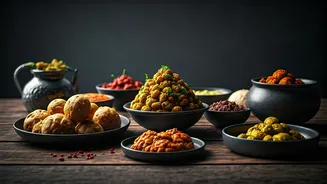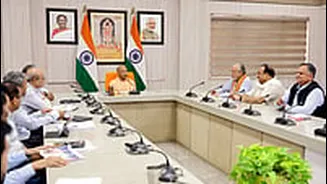

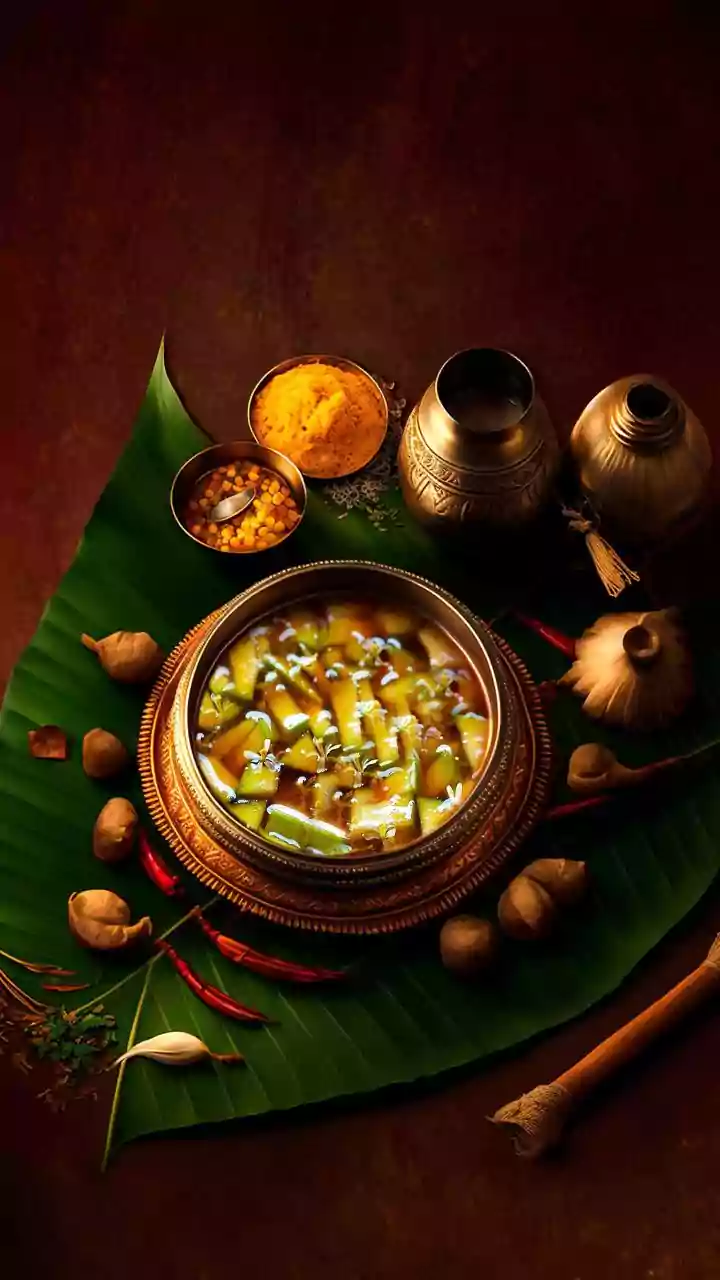






A Flavorful Heritage Unveiled
Uttar Pradesh, a state renowned for its diverse and vibrant food culture, is embarking on a significant endeavor to grant its unique culinary traditions
global recognition. The state government's 'One District One Cuisine' (ODOC) scheme is a carefully crafted strategy designed to identify, nurture, and promote the distinctive dishes that originate from each of its districts. This initiative aims to present these traditional flavors in an organized, safe, branded, and market-ready fashion. Beyond mere gastronomy, the program is viewed as a pivotal effort to celebrate and safeguard the state's cultural legacy, simultaneously stimulating tourism, generating employment opportunities, and boosting export potential. The vision is to ensure that the authentic tastes and time-honored preparation methods are not only preserved but also adapted for wider appreciation, fostering local enterprise along the way.
Strategic Culinary Development
The implementation of the ODOC scheme involves a methodical approach to dish identification and development. Suggestions for district-specific culinary specialties have been gathered from a wide array of sources, including district magistrates, relevant government departments, academic institutions, and district industry centers. This collaborative process ensures a comprehensive understanding of each region's gastronomic identity. The government's commitment extends to modernizing these traditional dishes to meet contemporary standards, preparing them for access to both domestic and international markets. This development phase is critical for ensuring quality, safety, and market appeal, paving the way for these unique flavors to reach a global audience and represent the authentic taste of Uttar Pradesh.
Ensuring Quality and Safety
To guarantee the utmost quality, hygiene, and food safety for its culinary exports, the ODOC scheme mandates the creation of 'Standard Recipe Manuals.' These detailed guides, developed for each district and specific dish, will be crafted with the invaluable support of esteemed organizations such as the Food Safety and Standards Authority of India (FSSAI), the Central Food Technological Research Institute (CFTRI), and the National Institute of Food Technology Entrepreneurship and Management (NIFTEM). This collaboration ensures that best practices in food science and safety are integrated into the preparation of these traditional foods. Adherence to these manuals will be paramount in maintaining consistency and safety, building consumer trust and facilitating entry into discerning global markets where stringent standards are the norm.
Modern Packaging and Global Reach
Making Uttar Pradesh's culinary treasures export-ready necessitates a strong focus on contemporary packaging and sophisticated branding. The initiative is actively collaborating with institutions like the Indian Institute of Packaging (IIP) to develop advanced packaging solutions. These will include smart packaging technologies, eco-friendly materials, and essential features like QR codes, barcodes, and comprehensive nutrition labeling. Such advancements will not only provide consumers with detailed product information regarding quality and nutritional value but will also significantly enhance the marketability of these traditional dishes on an international scale. The aim is to create visually appealing and informative packaging that reflects the quality and heritage of the products within.
Empowering Local Entrepreneurs
A crucial component of the ODOC scheme is the empowerment and training of local entrepreneurs and self-help groups. The program recognizes that the success of promoting regional cuisine hinges on the capabilities of the people who create and manage these food businesses. To this end, free training sessions will be organized through renowned institutions, covering essential areas such as advanced packaging techniques, innovative product design, quality enhancement strategies, and efficient food processing methods. This investment in human capital aims to equip local talent with the skills needed to thrive in the competitive food industry, fostering self-reliance and creating sustainable economic opportunities within the state.