
A Lunar Milestone
The upcoming Artemis II mission represents a pivotal juncture in the history of space exploration, with the launch window set for February 2026. This mission signifies
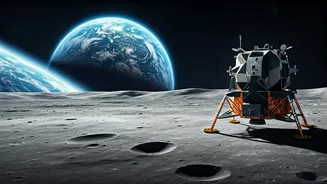
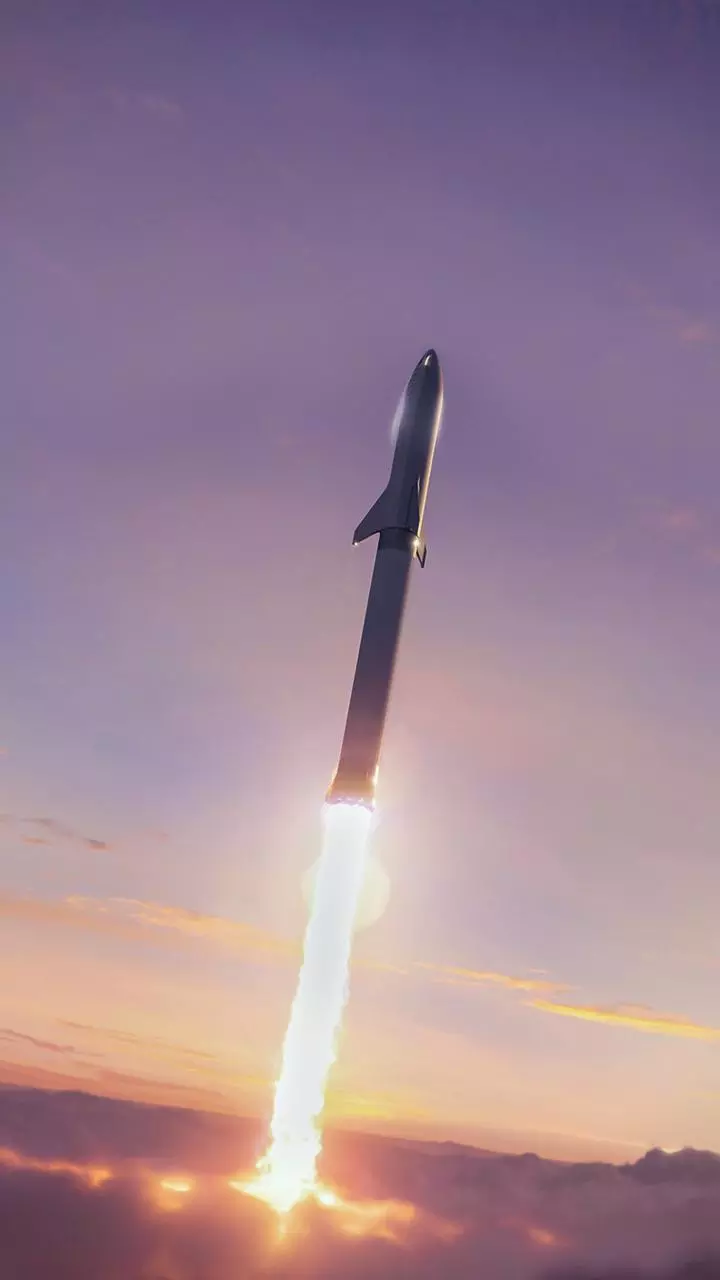
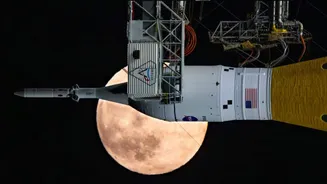
the initial step towards returning humans to the lunar surface after a hiatus spanning over half a century. Artemis II is not designed for a lunar landing; instead, it's crafted to conduct a crewed flyby of the Moon. This critical endeavor will assess the safety of the spacecraft and its systems, providing essential data for future lunar missions. The overarching objective is to establish a sustained human presence on the Moon, which will serve as a launching pad for further deep-space exploration, potentially including missions to Mars. This mission is the second flight in the Artemis program, and it's a test of the Orion spacecraft and the Space Launch System (SLS) rocket. The crew will travel farther into space than any human has traveled since the Apollo program.
Astronauts Prep Heavily
The astronauts involved in the Artemis II mission are undergoing rigorous training, preparing them for the extraordinary challenges of deep space travel. This intensive preparation includes simulations for various scenarios, ranging from normal operations to emergency situations. The primary focus of the training is to ensure the crew can expertly manage the Orion spacecraft during the lunar flyby. They are also being trained to conduct in-flight tests, gather scientific data, and cope with the unique environment of deep space. Furthermore, the astronauts will be subjected to the psychological challenges of long-duration spaceflight. This mission will test their adaptability and collaboration under extreme conditions. Their health and well-being are monitored, which is crucial for the mission's safety and success. The astronauts' preparedness is key to safely achieving mission objectives and paving the way for future crewed missions beyond Earth's orbit.
Timing and Significance
The selection of the February 2026 launch window for Artemis II is not arbitrary; it's carefully planned and determined by several factors. The launch date is strategically aligned with the lunar and orbital mechanics, ensuring optimal conditions for the mission's trajectory and execution. The timing also takes into account the alignment of the Earth, Moon, and Sun, impacting energy requirements and communication capabilities. This timing is vital for guaranteeing sufficient sunlight exposure for the spacecraft and crew. The mission's timing is crucial because it acts as a precursor for the Artemis III mission, which aims to land astronauts on the Moon's surface. Artemis II's success is a pivotal step towards establishing a permanent human presence on the Moon, creating opportunities for scientific discovery, resource utilization, and future exploration in our solar system. The data gathered during the mission is essential for the design and execution of subsequent missions, including those involving lunar surface activities.