
Essential Features Explained
When selecting a winter jacket, understanding the crucial features is the first step. Look for jackets with effective insulation, like down or synthetic
fills, to trap heat. The fabric should be water-resistant or waterproof to protect against rain and snow. Consider the jacket's breathability; it prevents overheating during physical activity. Features like a hood, adjustable cuffs, and multiple pockets enhance practicality and comfort. Think about the jacket's weight and bulk, as these can affect mobility and layering options. Pay attention to the quality of zippers and closures to ensure durability and ease of use. A well-chosen jacket will have all these features, which will keep you warm, dry, and comfortable, even in harsh winter conditions.
Types of Winter Jackets
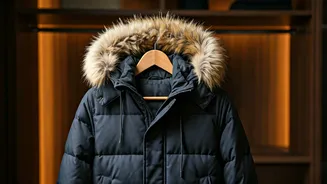
Various jacket styles cater to different needs and preferences. Parkas are long, insulated jackets designed for extreme cold, often featuring a fur-lined hood. Puffer jackets offer excellent insulation with a lightweight design, making them versatile for various activities. Overcoats provide a classic look and are suitable for more formal occasions; choose wool or a wool blend for warmth. Anoraks are wind-resistant and often water-repellent, ideal for outdoor activities, while bomber jackets combine style and warmth with their insulated design and ribbed cuffs and hem. The best choice depends on the climate and intended use, whether for daily commutes or adventurous outdoor expeditions, considering factors like protection level, insulation type, and fashion style.
Finding the Perfect Fit
The fit of a winter jacket affects both its warmth and appearance. Start by ensuring the jacket provides ample room for layering; you will need space for sweaters and other warm clothing. Check the shoulder seams to make sure they align with your shoulders; they shouldn't extend past. The sleeve length should reach your wrist, allowing for freedom of movement without exposure. The jacket's length should be appropriate for your body type and intended use; a longer jacket provides more coverage. Try the jacket with layers, simulating how you'd wear it in winter, ensuring a comfortable range of motion. Pay attention to the overall silhouette, making sure it complements your body shape and personal style. Proper fit ensures your jacket will function optimally and you will look your best.
Material Matters Significantly
The material significantly impacts a winter jacket's performance. Down is a natural insulator, providing excellent warmth but loses its effectiveness when wet; it's also lightweight. Synthetic insulation, like polyester, is water-resistant and retains warmth even when damp. Waterproof and water-resistant fabrics, such as nylon and polyester with a DWR (durable water repellent) coating, protect against rain and snow. Breathable fabrics help manage moisture, preventing overheating. Consider the durability of the outer fabric, which should withstand wear and tear. Choose materials according to your activity level and the expected weather conditions, whether for casual use or more demanding outdoor adventures. Correct material selection will keep you both warm and dry.
Care and Maintenance
Proper care extends the life of your winter jacket. Always follow the manufacturer's care instructions; these vary based on the jacket's materials and construction. Down jackets require specialized cleaning; consider professional cleaning. Synthetic insulated jackets can usually be machine-washed but use mild detergent and avoid fabric softeners. Water-resistant and waterproof jackets should be re-treated with a DWR coating after washing to maintain their protective properties. Store your jacket in a cool, dry place when not in use, preferably on a hanger, to maintain its shape. Regularly inspect your jacket for damage, such as tears or loose seams, and repair them promptly. Proper care ensures your jacket continues to perform its best and lasts for many winters to come.