



The Poha Controversy
Chef Sanjeev Kapoor recently voiced a strong opinion on poha, a widely consumed breakfast item in India. He described it as comfort food but not necessarily
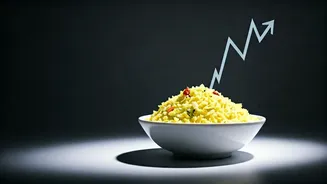
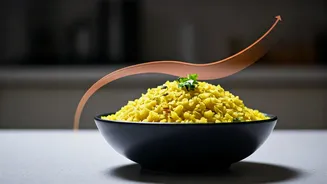
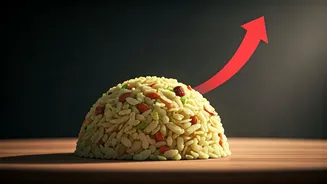
a healthy choice, even suggesting that if rice is considered detrimental to health, poha might be even more so. According to Kapoor, consuming poha for breakfast can lead to a substantial increase in blood sugar levels, illustrating this point with a gesture indicating a sharp upward trend. This assertion has ignited a conversation about the true nutritional value of poha and its effects on post-meal glucose readings, prompting a closer examination of this popular dish's place in a balanced diet.
Expert Nuance on Sugar Spikes
Dr. Vijay Negalur, Head of Diabetology at KIMS Hospitals, Thane, offers a more detailed perspective, calling Chef Kapoor's statement a "bit of an oversimplification." He confirms that poha, being made from flattened rice, is indeed a refined carbohydrate and can elevate blood sugar levels, particularly when consumed in large quantities or as a standalone dish. However, he emphasizes that labeling it as definitively "worse" than rice overlooks crucial factors. The actual impact on blood glucose is a complex interplay of portion size, preparation methods, and accompanying foods. While a plain, large serving might indeed cause a rapid rise, Dr. Negalur suggests this can be managed effectively with mindful consumption and strategic pairings, highlighting that the food's context is as vital as its core ingredient.
Understanding Poha's Digestion
The reason poha can lead to quicker sugar absorption lies in its composition and processing. Poha is relatively low in dietary fiber and protein, two nutrients that play a significant role in slowing down the digestion and absorption of glucose into the bloodstream. Because the rice grains are flattened and processed, they tend to be digested more rapidly by the body, similar to other refined grain-based foods. This faster digestion consequently results in a more pronounced and swift rise in blood sugar levels after consumption. It's important to note that this effect can vary considerably from one individual to another, influenced by factors such as personal metabolism and the composition of the entire meal consumed, making a blanket statement about its impact potentially misleading.
Strategies for Balanced Poha
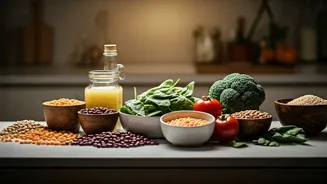
For individuals, especially those managing diabetes, complete avoidance of poha isn't necessarily recommended. Instead, Dr. Negalur advises a more thoughtful approach to its consumption. The key lies in managing portion sizes and ensuring it's not eaten in isolation. By incorporating sources of protein, such as peanuts, sprouts, or curd, and generously adding vegetables like peas, carrots, or capsicum, the meal becomes significantly more balanced. These additions help to slow down the digestion process and mitigate sudden blood sugar spikes. Opting for a moderate portion and steering clear of sugary beverages alongside the meal further aids in maintaining stable glucose levels. Even subtle changes, like eating at a slower pace, can positively influence how the body processes glucose.
Focus on Habits, Not Labels
Ultimately, the expert consensus leans towards focusing on overall dietary patterns rather than rigidly categorizing foods as solely 'good' or 'bad.' The emphasis should be on creating balanced meals, being mindful of portion sizes, and maintaining consistency in healthy eating habits. Occasional fluctuations in blood sugar are generally less concerning than sustained, long-term trends. The overarching goal for maintaining stable blood sugar levels should be to cultivate a sustainable eating pattern that doesn't impose overly restrictive dietary limitations, allowing for enjoyment while promoting well-being.