





Optimize Charging Location
Choosing the right place to plug in your electric vehicle can make a surprising difference in charging speed and efficiency. Consider factors like ambient
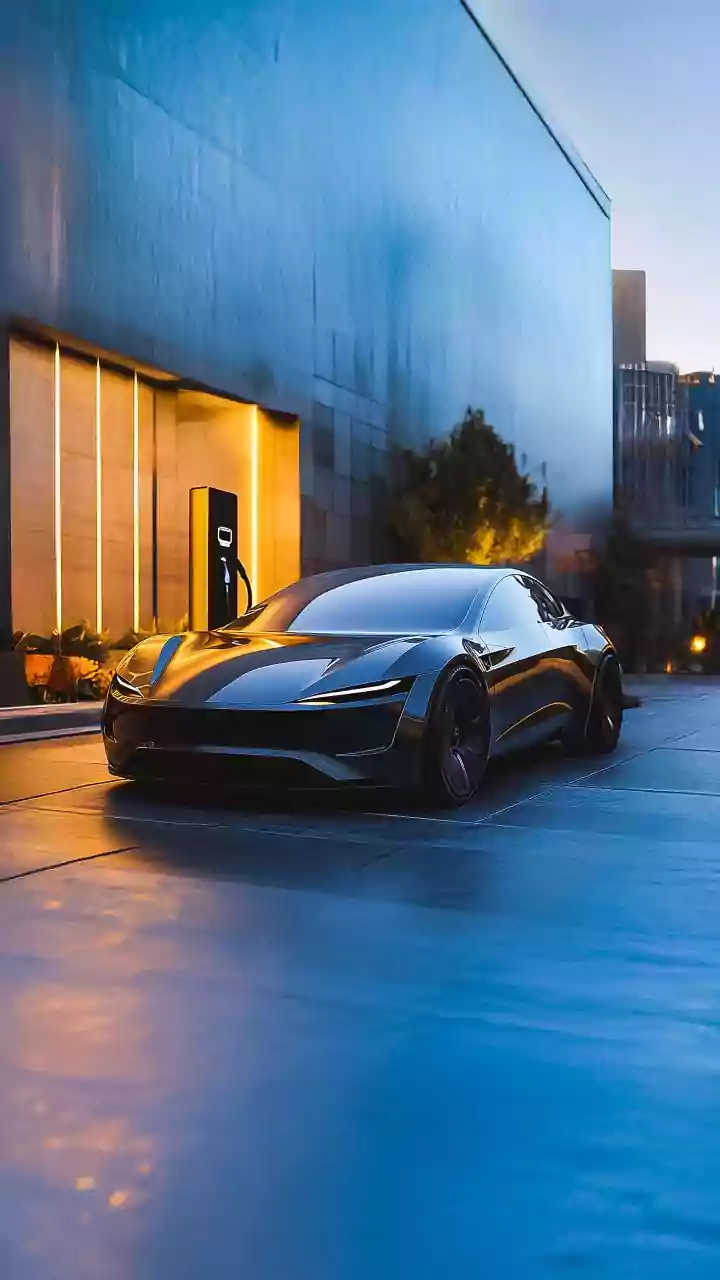
temperature; excessively hot or cold conditions can slow down the charging process as the battery management system works to maintain optimal temperatures. While you can't always control the weather, parking in a shaded area during hot months or a garage during freezing ones can provide a slight advantage. More importantly, ensure your charging station is in good condition and free from obstructions. A clean, well-ventilated space allows for better heat dissipation, which is crucial for both charging speed and battery longevity. Avoid areas with poor signal strength if you're relying on a networked charger, as a stable connection ensures uninterrupted communication between your car and the charging infrastructure, preventing delays or errors that could slow down the charge.
Select the Right Charger
The type of charger you use directly impacts how quickly your EV replenishes its battery. Level 1 chargers, using a standard household outlet, are the slowest, offering minimal range addition per hour. Level 2 chargers, typically installed at home or public stations, provide a much faster charge by delivering a higher amperage. For the most rapid charging, DC fast chargers (Level 3) are the way to go, capable of adding hundreds of miles of range in under an hour. When selecting a charger, consider its power output (measured in kilowatts, kW). Higher kW ratings generally mean faster charging. Compatibility is also key; ensure the charger's connector type matches your vehicle's port. While fast charging is convenient, frequent use of the highest-powered DC fast chargers can, over the very long term, contribute to slightly accelerated battery degradation compared to slower charging methods, though modern battery management systems mitigate this significantly. Aiming for a balance, perhaps using DC fast chargers for longer trips and Level 2 for daily top-ups, can be an excellent strategy for maintaining battery health.
Precondition Your Battery
Maximizing charging speed often involves ensuring your electric vehicle's battery is at its ideal temperature. Many modern EVs come equipped with a 'preconditioning' feature that allows you to warm up or cool down the battery to its optimal operating range before you even plug in. This is particularly beneficial in extreme weather conditions. When the battery is too cold, its internal resistance increases, slowing down the flow of electrons and thus the charging rate. Conversely, a very hot battery will also trigger safety protocols that limit charging speed to prevent overheating. By using the preconditioning function, often accessible via a smartphone app or the car's infotainment system, you can prepare the battery for a faster, more efficient charge. This simple step, when supported by your vehicle, can shave significant time off your charging sessions and reduce stress on the battery pack, contributing to its overall lifespan and performance.
Manage State of Charge
The battery's current charge level, known as its State of Charge (SoC), plays a crucial role in how quickly it can accept power. Generally, EV batteries charge fastest when they are at a lower SoC, typically between 20% and 80%. As the battery approaches its full capacity (above 80%), the charging speed begins to taper off significantly. This is a built-in safety mechanism to protect the battery from stress and heat associated with the final stages of charging. Therefore, if you're in a hurry and only need a partial charge, stopping around 80% can be considerably faster than waiting for a full 100%. Planning your charging stops to take advantage of this window—charging when you're below 80% and moving on once you've reached a sufficient level for your immediate needs—can drastically reduce your overall charging time, especially during road trips. This approach also aligns with best practices for battery longevity, as constantly charging to 100% can put more strain on the battery.
Smart Charging Practices
Beyond just plugging in, adopting smart charging habits can significantly enhance both speed and battery health. One key aspect is understanding your vehicle's charging curve, which illustrates how charging speed varies with the State of Charge. Most EVs have a curve where speed is high initially, then gradually decreases as the battery fills. By planning your charging sessions around this curve—perhaps charging only when necessary and avoiding prolonged periods at a very high SoC—you can optimize for speed and battery well-being. Additionally, some vehicles and charging stations offer 'smart charging' features that allow you to schedule charging for off-peak hours (often cheaper) or to take advantage of renewable energy availability. While scheduling might not always be about pure speed, it contributes to a more efficient overall energy ecosystem. For speed, the core 'smart practice' is to avoid topping off to 100% unless absolutely necessary, and to prioritize charging when the battery is in its most receptive state, typically below the 80% mark.