





A "Very Positive" Exchange
President Donald Trump recently engaged in a lengthy and highly positive telephone discussion with Chinese President Xi Jinping, a conversation marked
by its thoroughness and the wide array of critical topics covered. This dialogue occurred at a juncture where global alliances are in flux and the competitive dynamic between the world's two dominant economic powers is notably strong. Trump himself described the talks as covering "many important subjects," signaling a substantive exchange aimed at stabilizing the relationship between Washington and Beijing. The call was particularly significant as it paved the way for Trump's anticipated state visit to China in April, underscoring a mutual desire to foster constructive engagement and manage the complexities inherent in their bilateral ties. The emphasis on a "very positive" tone from both sides suggests an effort to build momentum for future cooperation and de-escalate potential friction points, setting a collaborative stage for upcoming diplomatic initiatives.
Trade Boost & Agricultural Deals
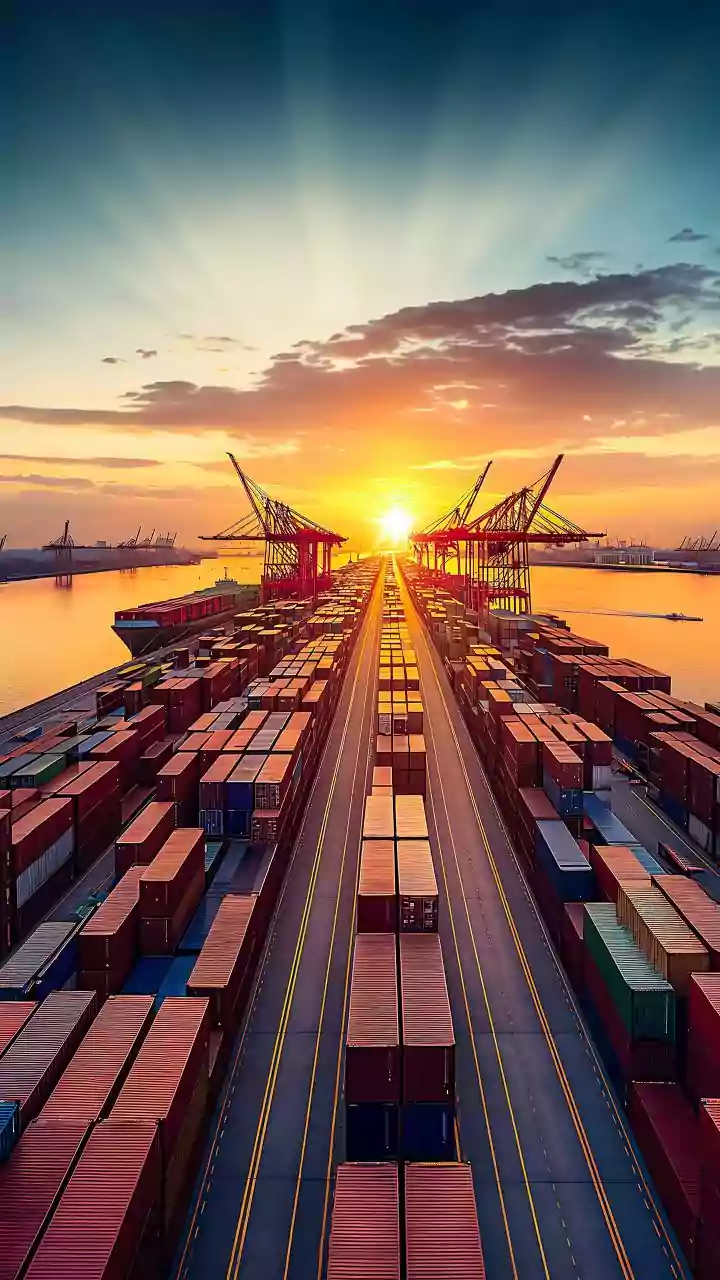
A concrete outcome of the call was China's commitment to significantly increase its purchases of American soybeans, a move directly addressing a long-standing demand from US agricultural sectors and holding considerable political importance for President Trump. Officials indicated that Xi Jinping agreed to raise China's soybean import target to 20 million tons for the current season, an increase from the previously set goal of 12 million tons. Furthermore, Beijing signaled an intention to boost these purchases even higher to 25 million tons in the subsequent season. Trump also noted that China was actively "considering the purchase of additional agricultural products," a statement that had an immediate positive effect on soybean prices in the market, reflecting optimism about increased demand for US farm goods. Beyond soybeans, the leaders also addressed China's acquisition of US oil and gas, aligning with Washington's strategic aim to deepen economic connections and strengthen trade links, potentially diversifying China's energy import sources.
Geopolitical Undercurrents
The extensive conversation between Trump and Xi unfolded against a backdrop of escalating global tensions and active diplomatic maneuvering by major powers. Notably, Chinese state media highlighted Xi Jinping's own discussion with Russian President Vladimir Putin on the same day, emphasizing Beijing's increasingly influential role in mediating discussions among global leaders. Analysts interpret China's engagement with both the US and Russia as a delicate balancing act, crucial for navigating its strategic relationships amidst the protracted Russia-Ukraine conflict. Taiwan also emerged as a significant point of discussion. Chinese reports indicated Xi Jinping underscored the paramount importance and sensitivity of the Taiwan issue in Sino-US relations, urging circumspection regarding US arms sales to the island. While Trump acknowledged Taiwan in his social media statements, specific details regarding any understandings reached were not disclosed. The dialogue also encompassed the situation in Iran, with both leaders discussing current developments, even as the US seeks to build international pressure on Tehran concerning its regional activities and nuclear aspirations, while China continues to maintain its trade ties, including in the energy sector, with Iran.
Diplomacy and Domestic Outlook
Central to the discussions was President Trump's planned state visit to China in April, an event he expressed considerable enthusiasm for, viewing it as a prime opportunity to bolster economic and strategic cooperation between the two nations. US officials anticipated that preparatory dialogues between senior diplomats and trade representatives would continue in the weeks leading up to the visit. Despite the outwardly optimistic tone surrounding the phone call, seasoned observers caution that significant underlying disagreements persist between the United States and China. Issues such as intense technological competition, intellectual property rights disputes, and differing security interests within the Asia-Pacific region remain potential sources of friction. Domestically within the US, opinions on China policy are notably divided. Critics express concern that closer engagement with Beijing could diminish American leverage on critical issues like Taiwan, human rights, and regional security. For the moment, the Trump administration is presenting this phone call as a significant diplomatic achievement, with the true measure of its success and the potential for lasting policy changes hinging on the outcomes of Trump's forthcoming visit and subsequent negotiations.